
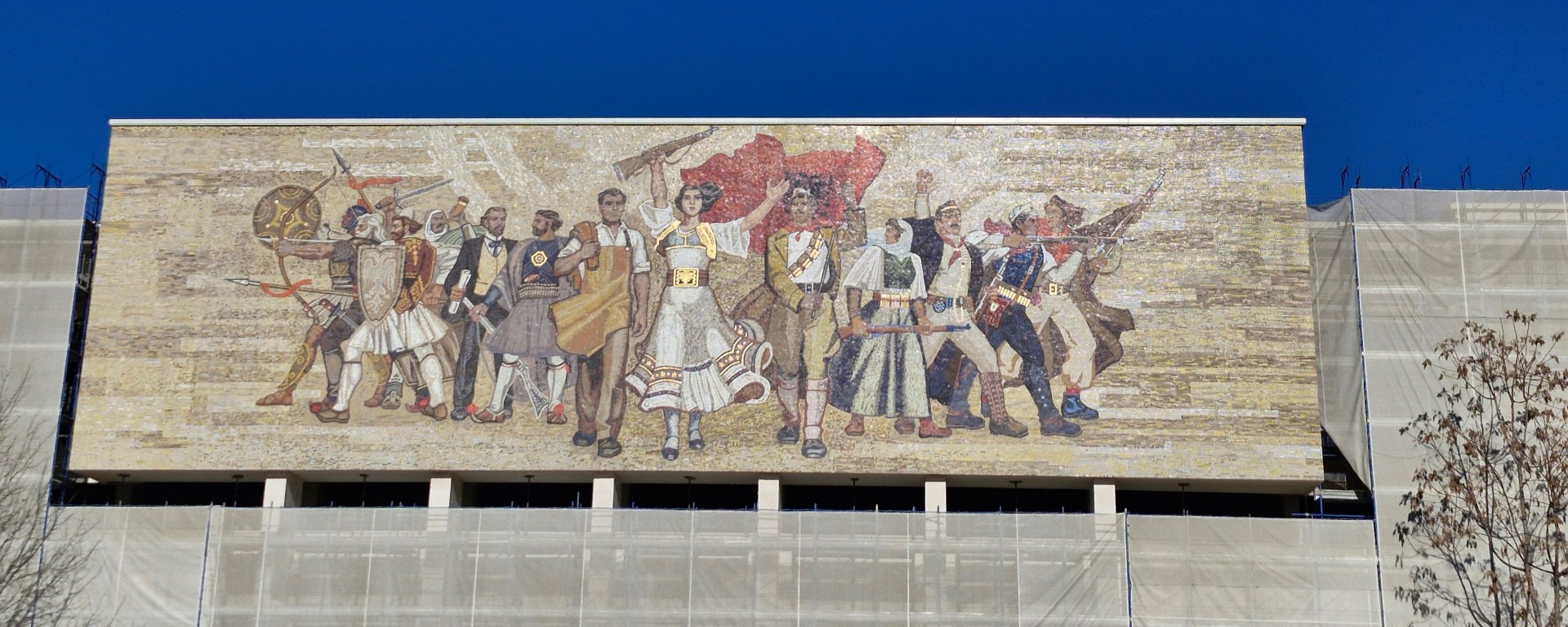
Why Albania?
At the new year of 2025/26, I had a few days off, so I decided to take a short trip and visit three countries (one of them is debatable and many of them wouldn’t even call it a country): Albania, Kosovo, and North Macedonia. I started my journey in Tirana, Albania, where I landed at Tirana International Airport after a five-hour direct flight from Dubai.
Albania is a small country located in the southwestern corner of the Balkans, but with a long, complex, and often misunderstood history. For many years, it was an ex-communist country known as one of the most isolated places in the world, cut off not only from the West, but even from the communist bloc itself. Imagine, after the death of Stalin, the Soviet Union began de-Stalinization under Nikita Khrushchev, so guess what? The Albanian dictator Hoxha denounced it as a betrayal of “true” communism and broke ties in the early 1960s, pushing Albania into extreme isolation. So, you heard it like, Albania didn’t really see the Soviet Union communist enough.
Surrounded by mountains and closed borders, Albania remained largely unknown to the outside world for much of the second half of the 20th century. Prior to that, Albania lived under Ottoman rule for centuries, which left deep cultural, religious, and architectural marks that are still visible today. Despite this long domination, Albanians managed to preserve a strong sense of identity, language, and local traditions. Independence finally came in 1912, but the country soon found itself caught between regional conflicts and foreign influence.
After World War II, Albania entered one of the darkest and most unusual chapters of its history. Under Enver Hoxha’s communist regime, the country became extremely isolated; Borders were sealed, religion was banned, and paranoia shaped everyday life. When communism collapsed in the early 1990s, Albania reopened to the world almost overnight.
Like most of my previous blog posts, this one is not meant to be a comprehensive guide about Albania. In fact, during my short stay, I only visited one city—Tirana— and spent 3 nights there. It wasn’t long, but it was intense enough to leave a strong impression on me. This blog is an attempt to share my feelings, impressions, and reflections while walking you through a country that has experienced isolation, hardship, and a remarkable transformation, so join me.
The Flight
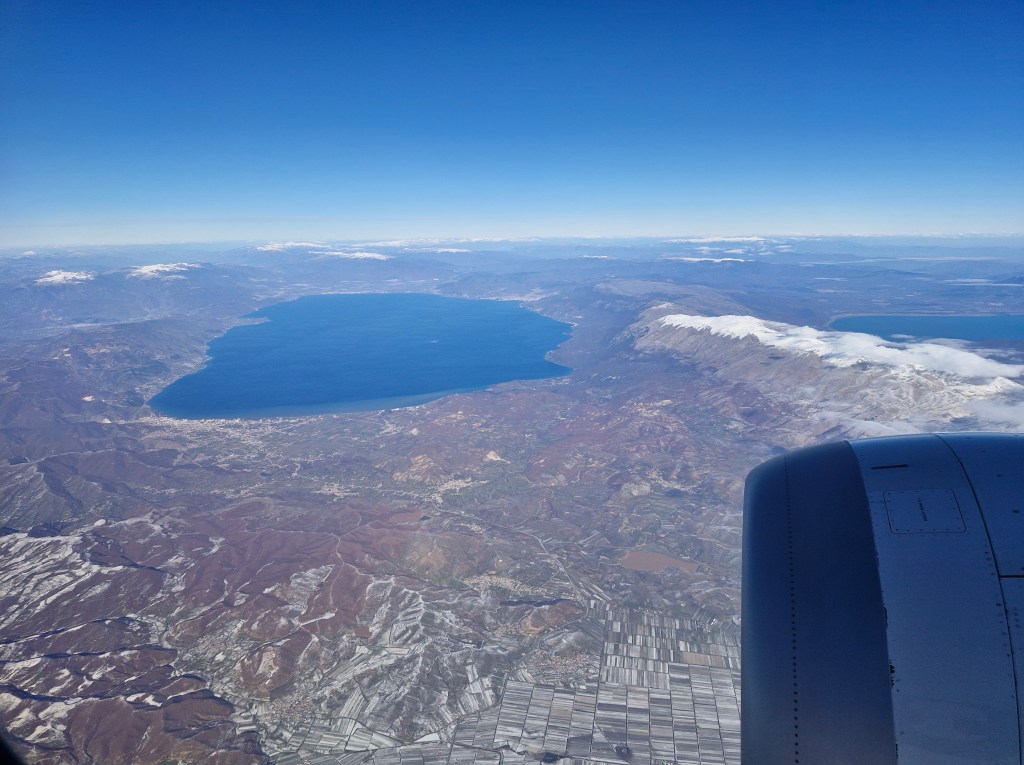
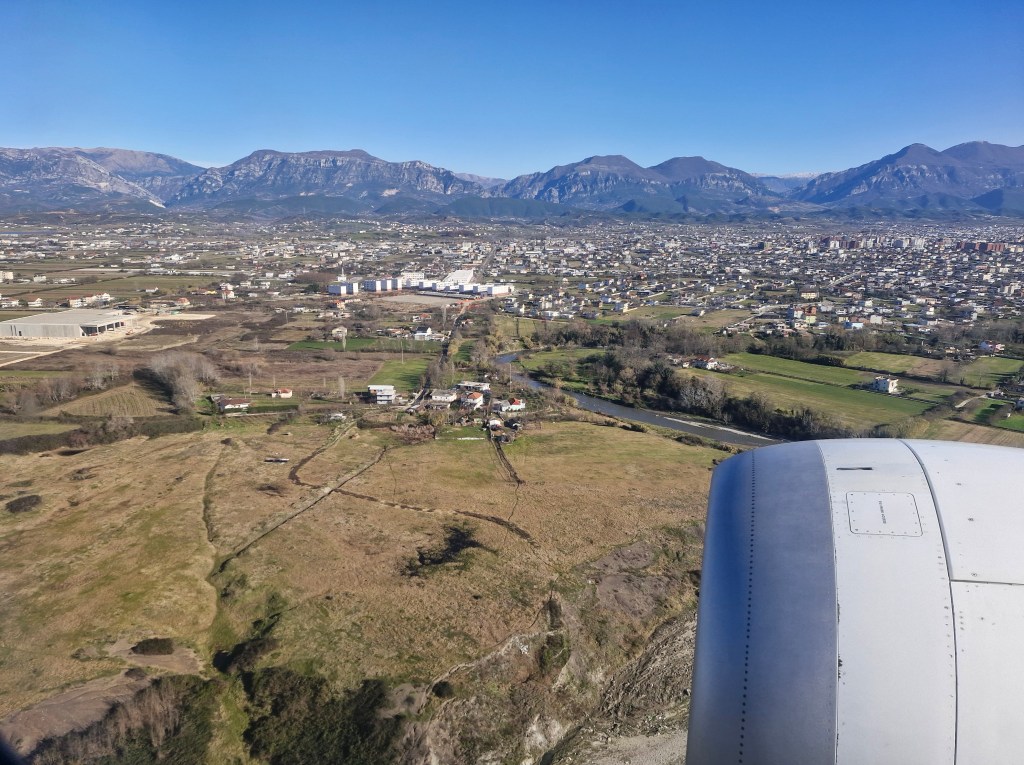
I flew from Dubai to Tirana with FlyDubai. It was a 5.30 hours direct flight. Like many other FlyDubai flights I’ve taken over the last year or so (since I moved to Dubai for a new job), the flight was completely uneventful. I can’t really remember anything about it apart from the beautiful views from the window, and even the breakfast they served was rather plain. That said, the flight was on time, smooth, and without any unpleasant surprises, which is all I was really hoping for.
I landed at Tirana International Airport and spent a couple of minutes waiting at passport control, mainly because the passport reader seemed to be having some issues. After picking up my suitcase, I exchanged some money and headed outside to take a taxi to the hotel. Thankfully, taxi prices are fixed, so this time, no one tried to rip me off 🙂

The Hotel
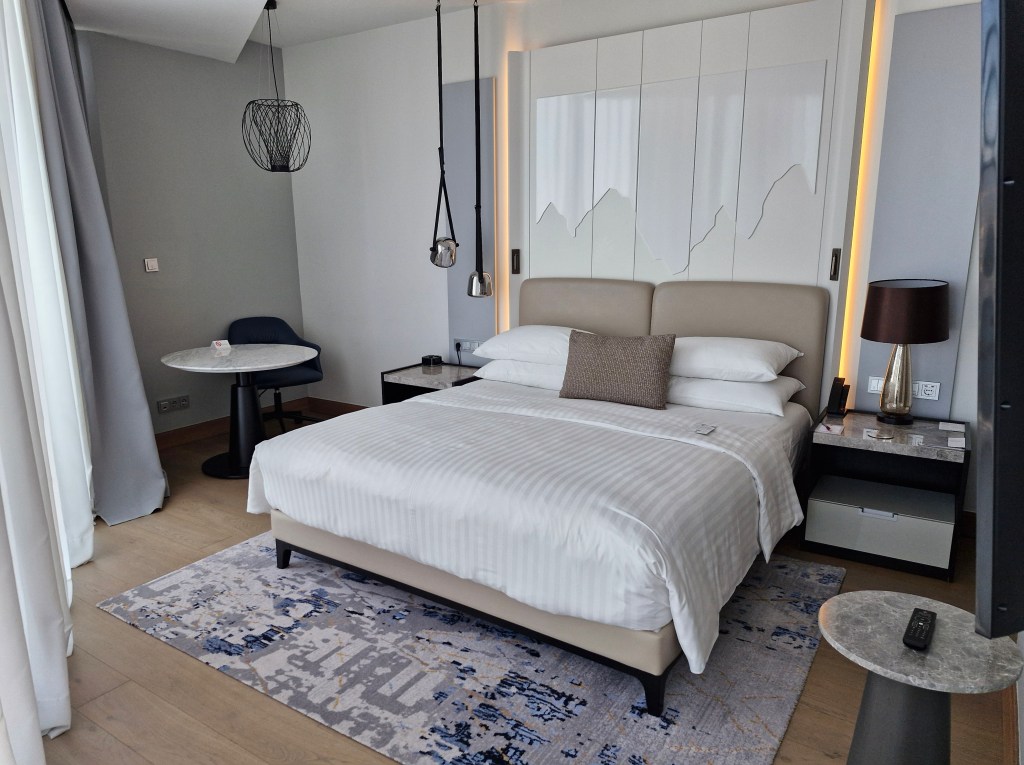
I arrived at my hotel, the Tirana Marriott Hotel, feeling so excited about the stay at this beautiful hotel. I had seen photos of the hotel and read many of positive reviews beforehand, so my expectations were already quite high and I was full of excitement. Luckily, to book a room in this hotel, I was able to use some of the points I had accumulated last year through my Marriott Bonvoy credit card. I redeemed points for the three-night stay and ended up paying only a small city tax (around 10 euros in total). Redeeming points to stay in this hotel during the new year felt like a small reward to myself after a year of hard work and point collecting.
The check-in process was smooth, professional, and friendly. Thanks to my Marriott loyalty status, I was upgraded on the spot and given complimentary access to the hotel lounge, which felt like a very generous and thoughtful gesture. The room itself was spotless, modern, and beautiful, with spectacular views of the city. The staff were consistently warm and attentive, the breakfast was excellent, and the location couldn’t have been any better, right in the heart of city. Overall, my stay at this hotel was truly memorable and I would highly recommend it, without a single doubt.
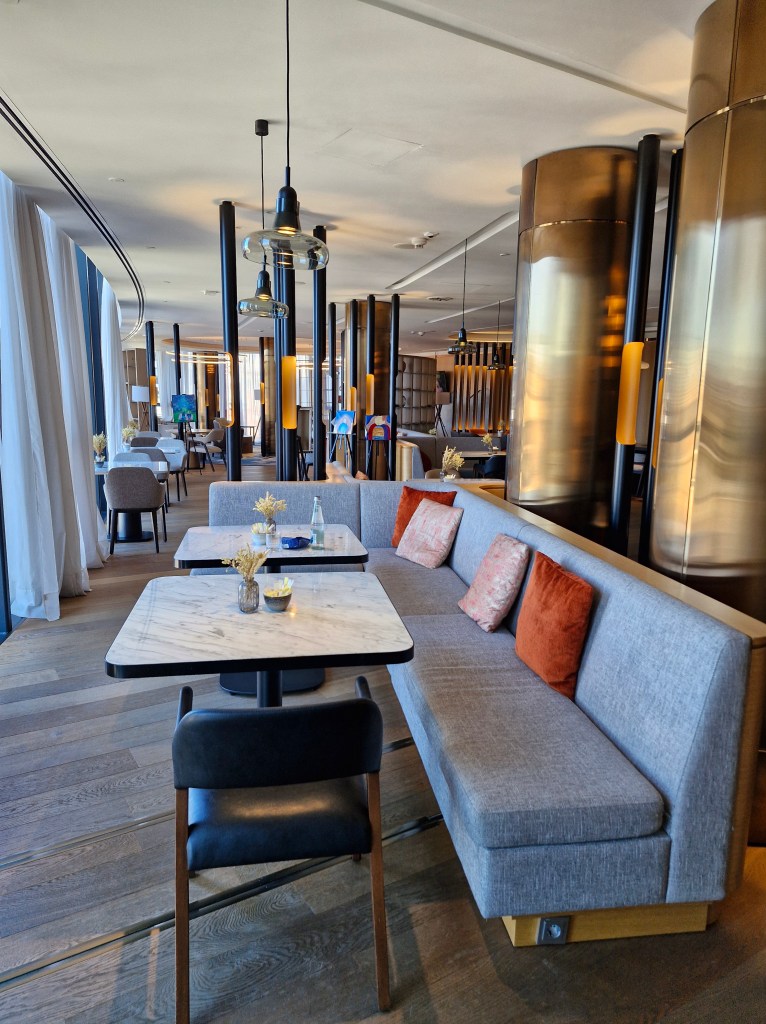
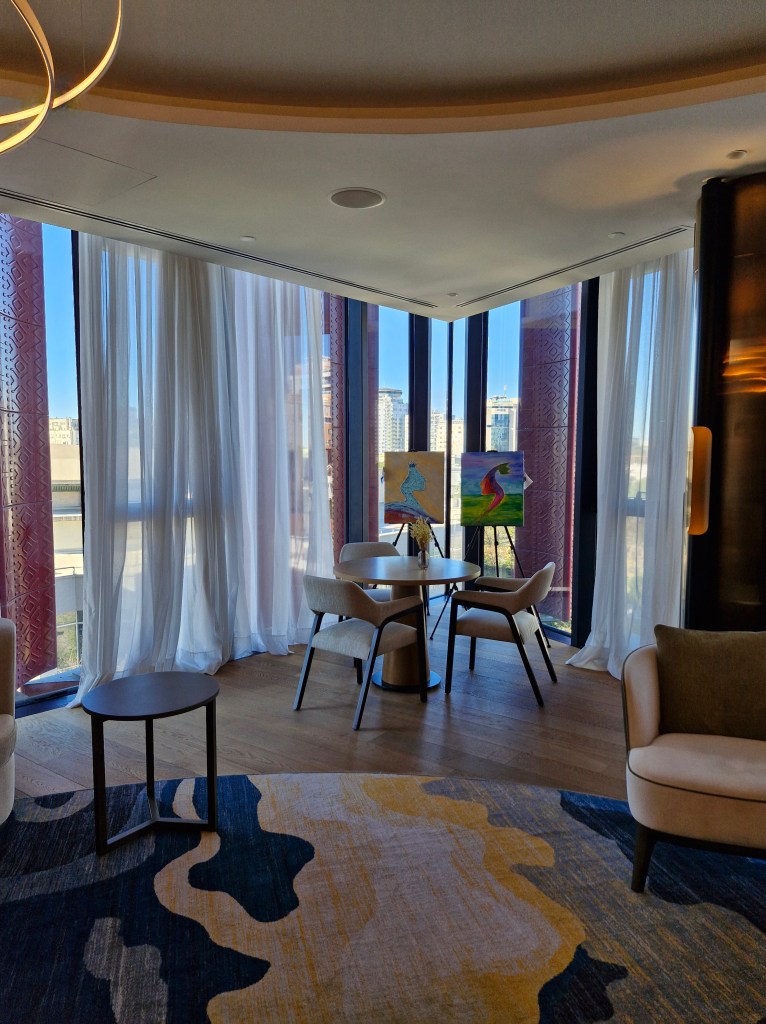
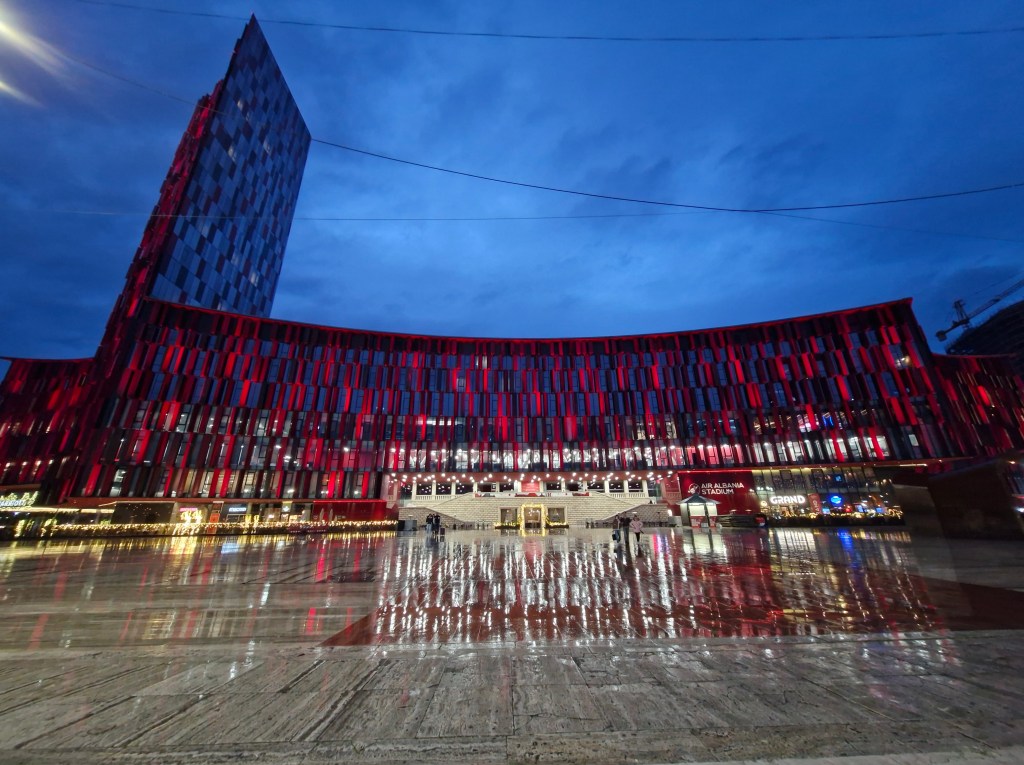
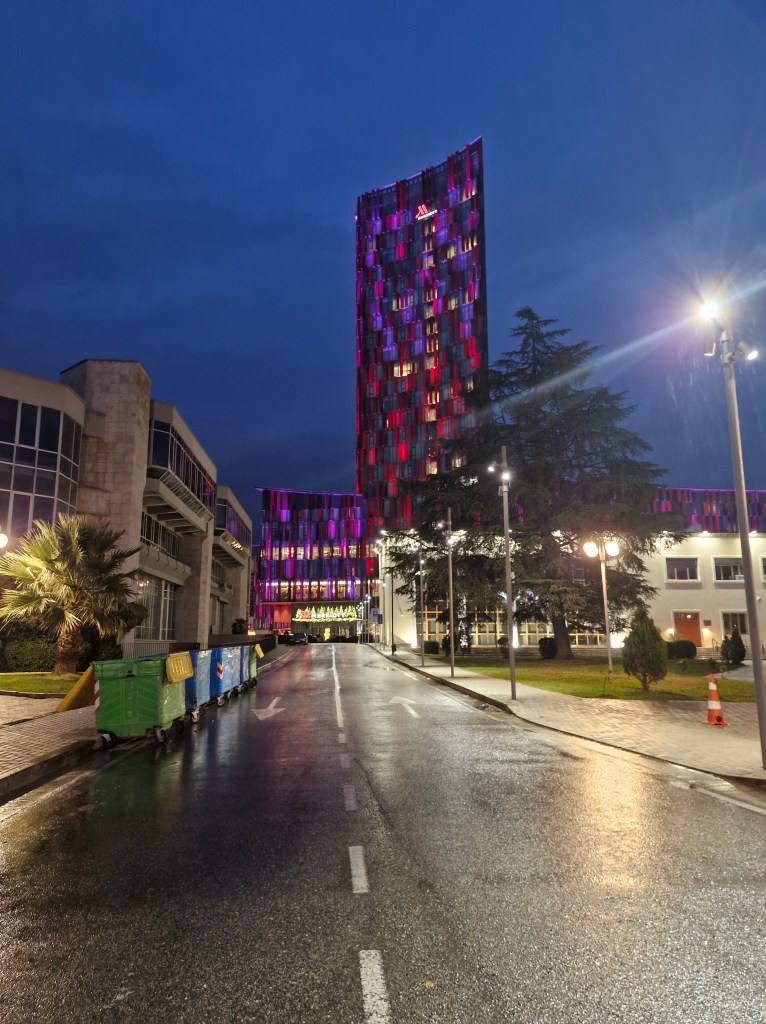
Exploring Tirana
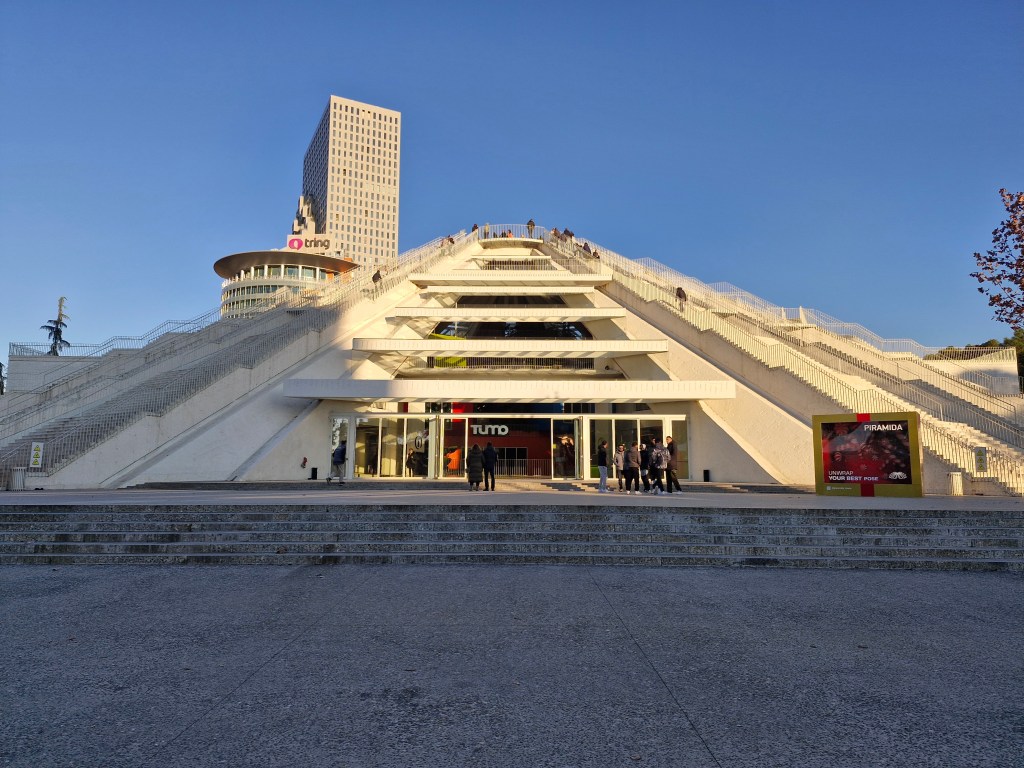
After checking in, and later after having a truly delicious meal (details in the food section below), it was time to explore Tirana. I started walking around the area near the hotel, slowly making my way toward the main square (Skanderbeg Square). I wandered around there for a while, observing the city and the atmosphere, before eventually heading back toward the hotel. On my way back, I made a stop at the Pyramid of Tirana. This structure was originally built in 1988 as a museum dedicated to Enver Hoxha, Albania’s former paranoid communist dictator, the pyramid later went through many different phases; serving at times as a conference center, a NATO base during the Kosovo war, and eventually falling into abandonment. For years, it stood as a strange and controversial symbol of Albania’s communist past, before being recently transformed into a cultural space.
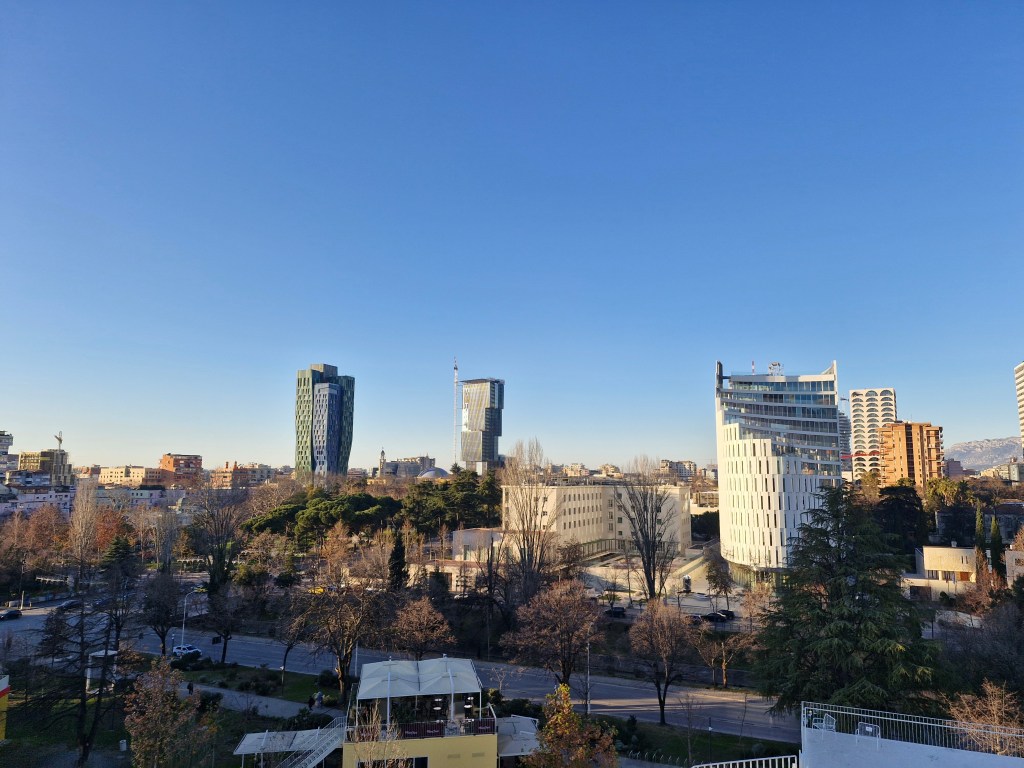
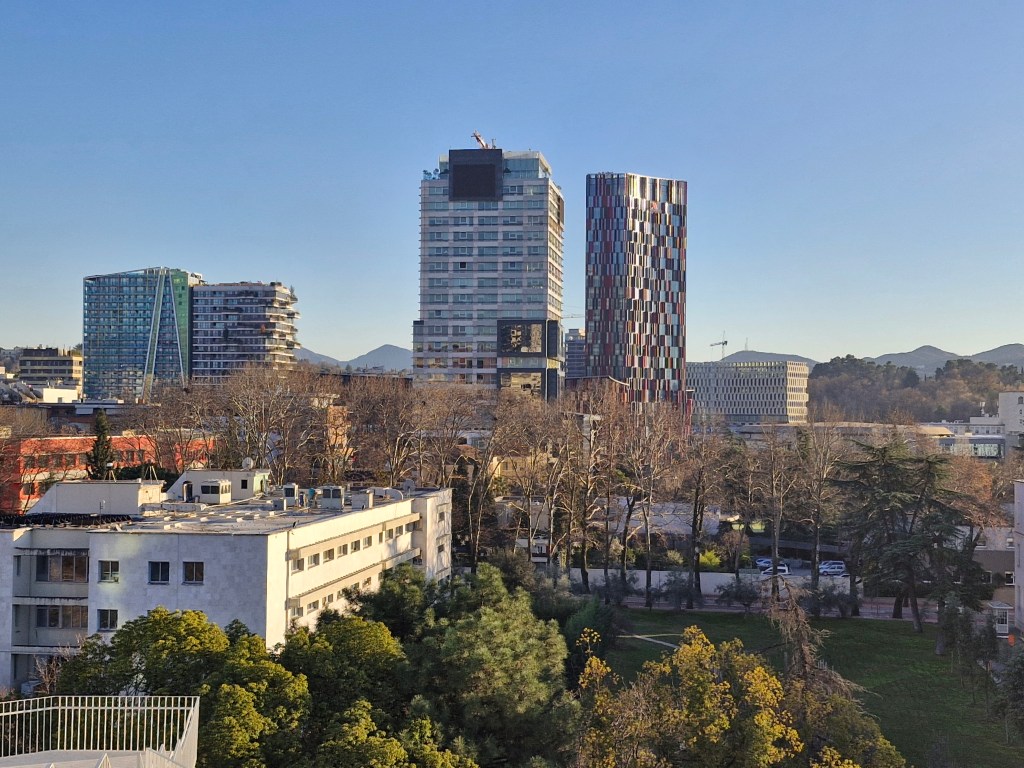
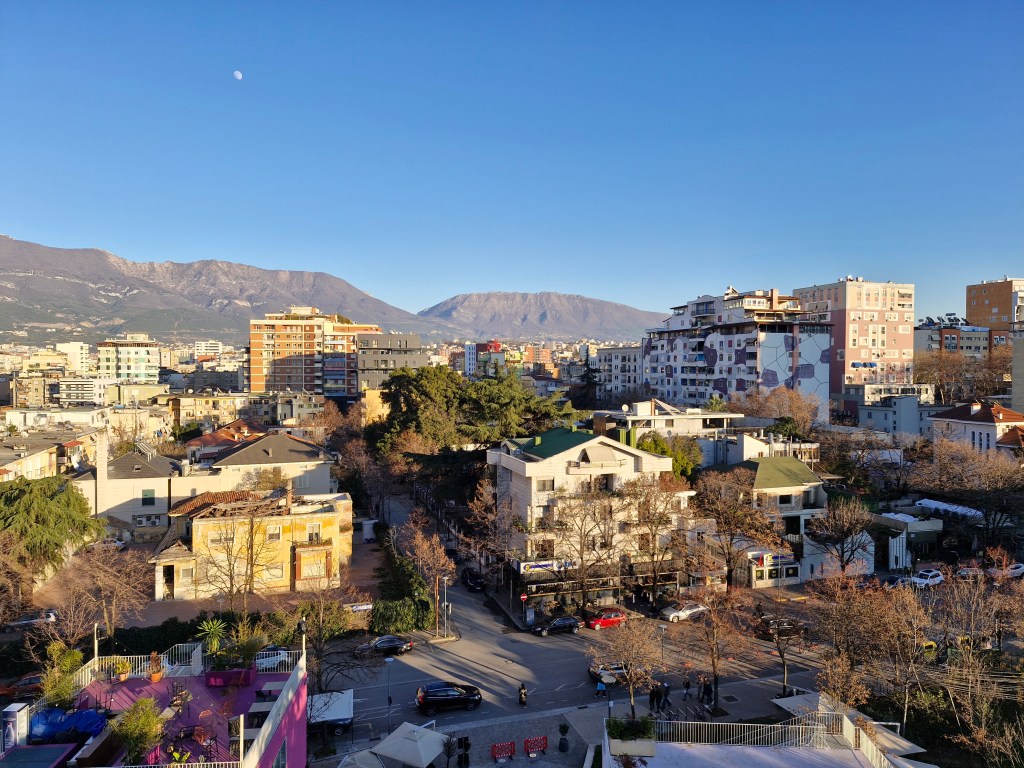
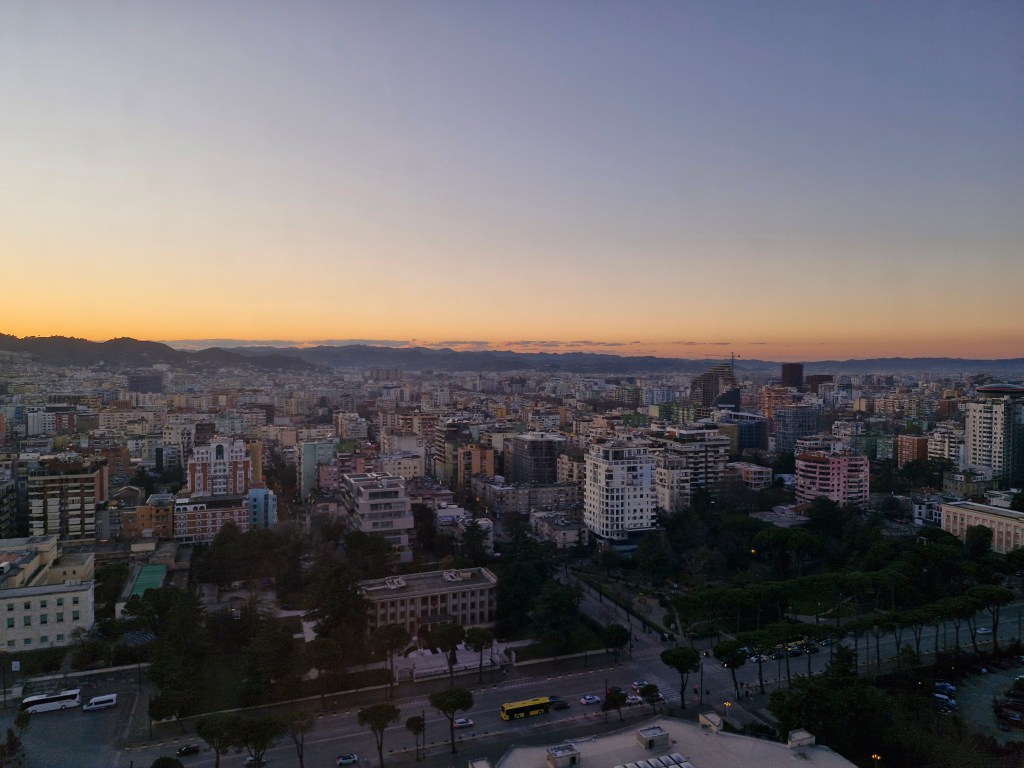
I climbed the stairs to the top of the pyramid, where I truly enjoyed beautiful views over the city. It was golden hour, just moments before sunset. The sky was clear, the light was soft, and although the weather was a bit cold, the experience felt refreshing and peaceful. It was the last day of the year as well so, a very special moment.
Moments later, I walked back to the hotel, and continued to watch sunset from my hotel room.
Walking Tour
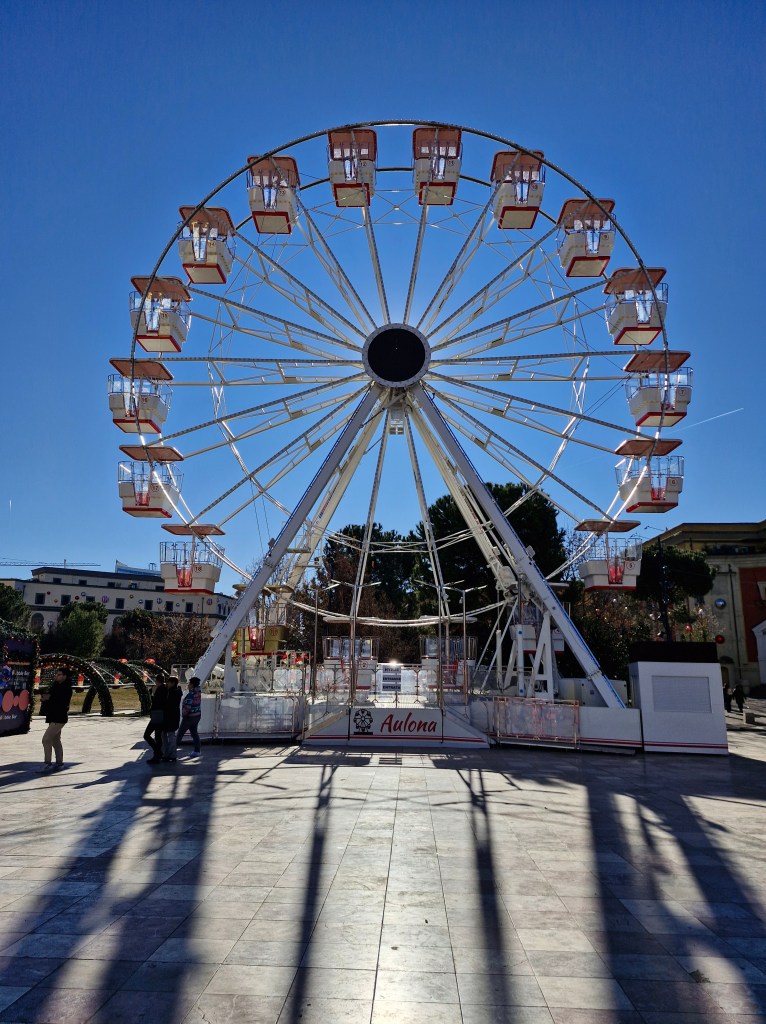
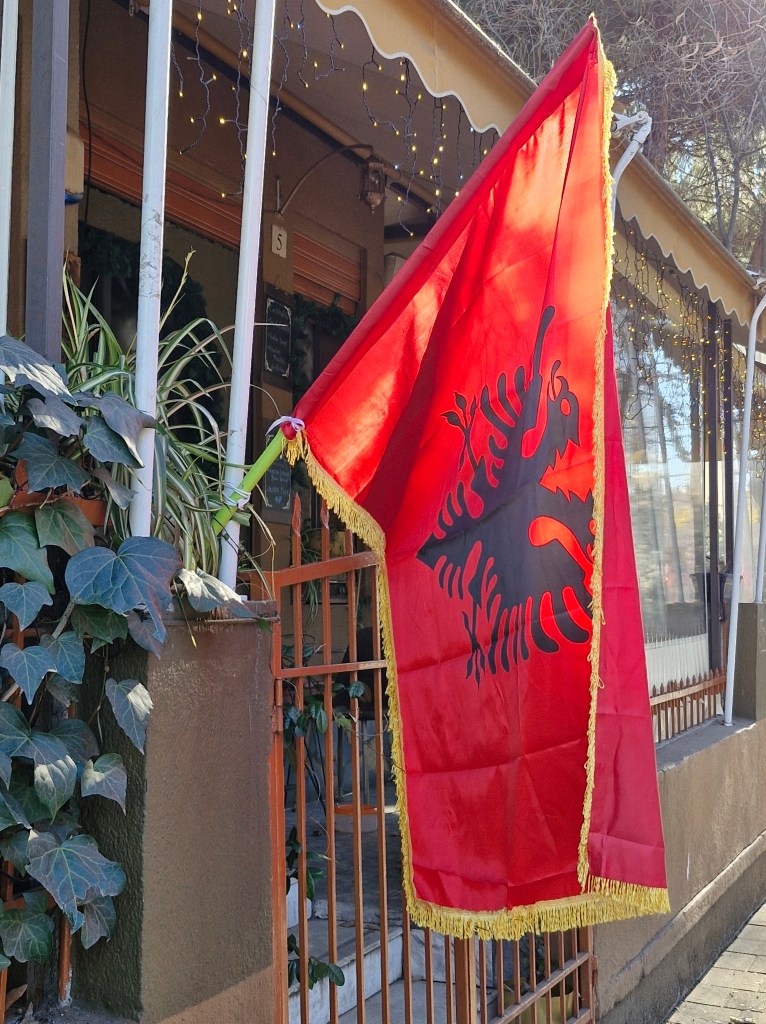
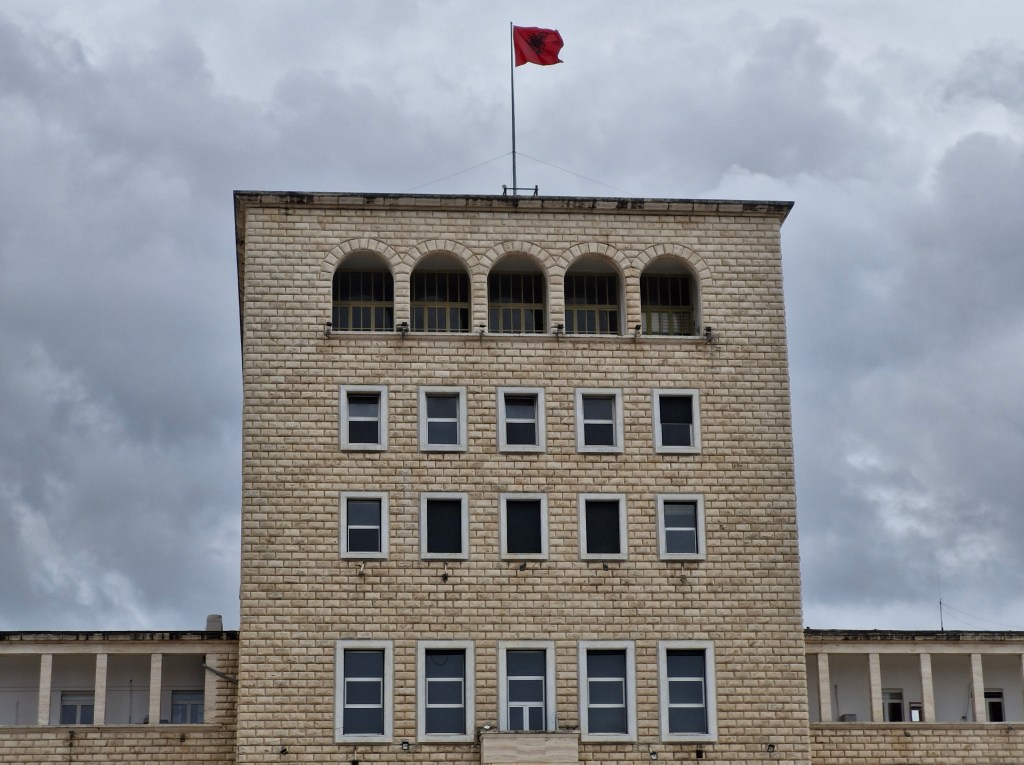
The next day, after enjoying a very tasty breakfast and genuinely friendly service at the hotel, I headed out again to explore the city. Later that day, I joined a walking tour I had found on TripAdvisor. The tour lasted around two hours, during which the guide walked us through central Tirana and shared stories about the city and Albania’s history. The tour started at Skanderbeg Square, next to the Opera building. We gathered close to the Skanderbeg statue next, where the guide explained the importance of Skanderbeg as a national symbol/hero. Sanderbeg is a 15th centurty Albanian nobleman and military leader who fought against Ottoman rule. During the Enver Hoxha’s rule, his image was strongly emphasized as a unifying national symbol, partly because it represented resistance and independence without religious overtones.
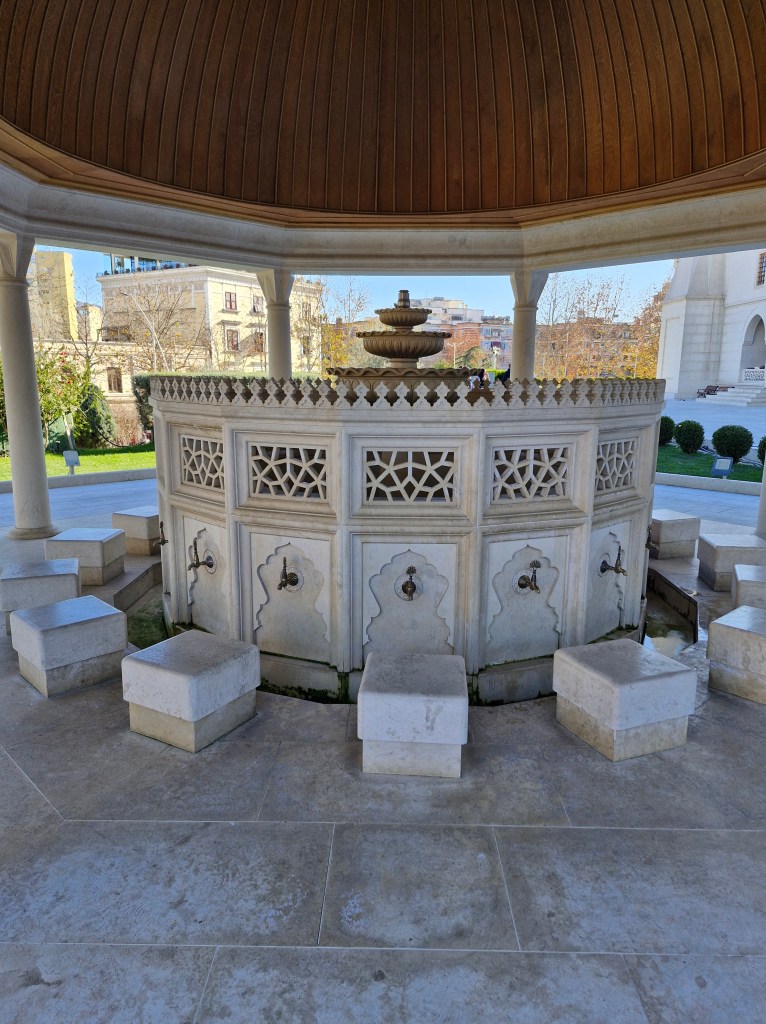
From there, we continued through the square, stopping at the clock tower, nearby government buildings, and the Et’hem Bey Mosque, built in the Ottoman era. We also passed by the Namazgjah Mosque, the largest mosque in the Balkans, recently built with funding from Turkey and inaugurated with the support of President Erdoğan. Along the way, there were a few other stops and stories, and of course, some terrible looking bunkers 🙂
Overall, it was a good and informative tour. I learned a bit about Albania’s past, even if I didn’t necessarily agree with everything the guide said. Still, it was engaging and it was nice to meet a few interesting travelers there.



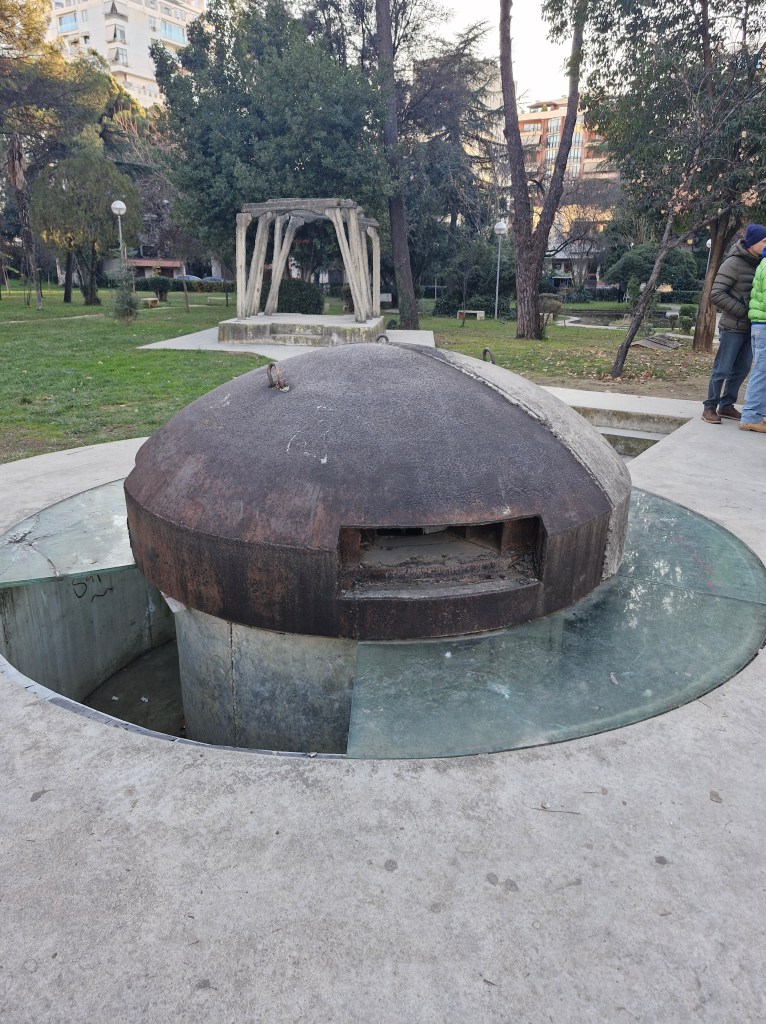
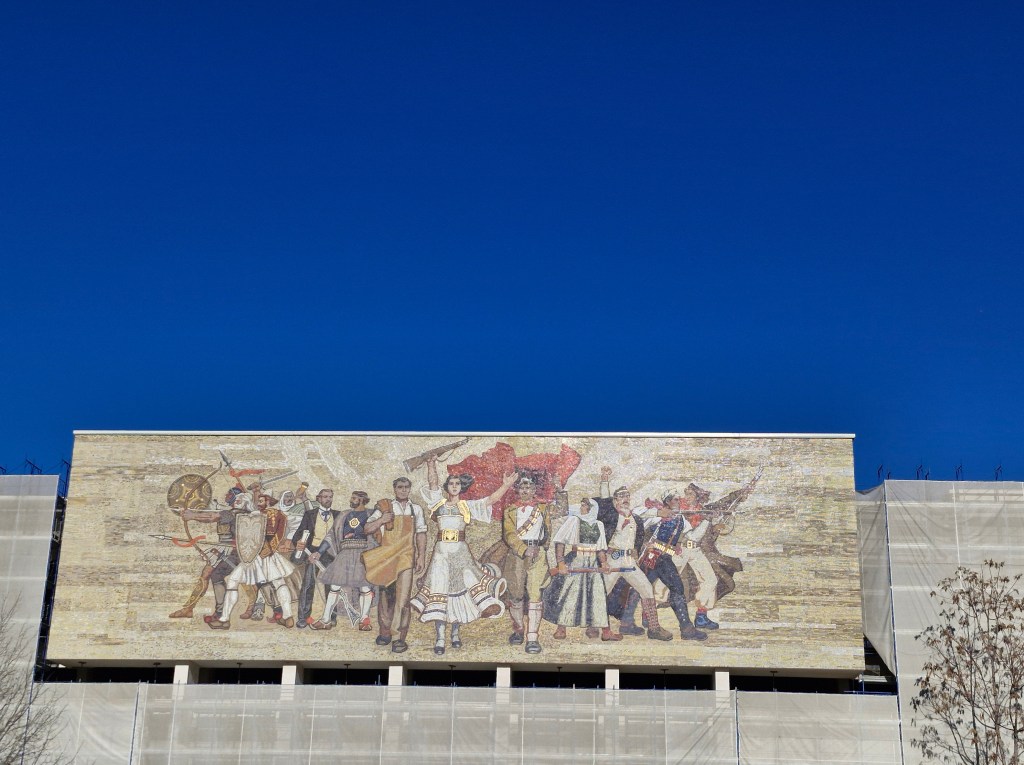
Bunk’Art 2, the highlight of the trip
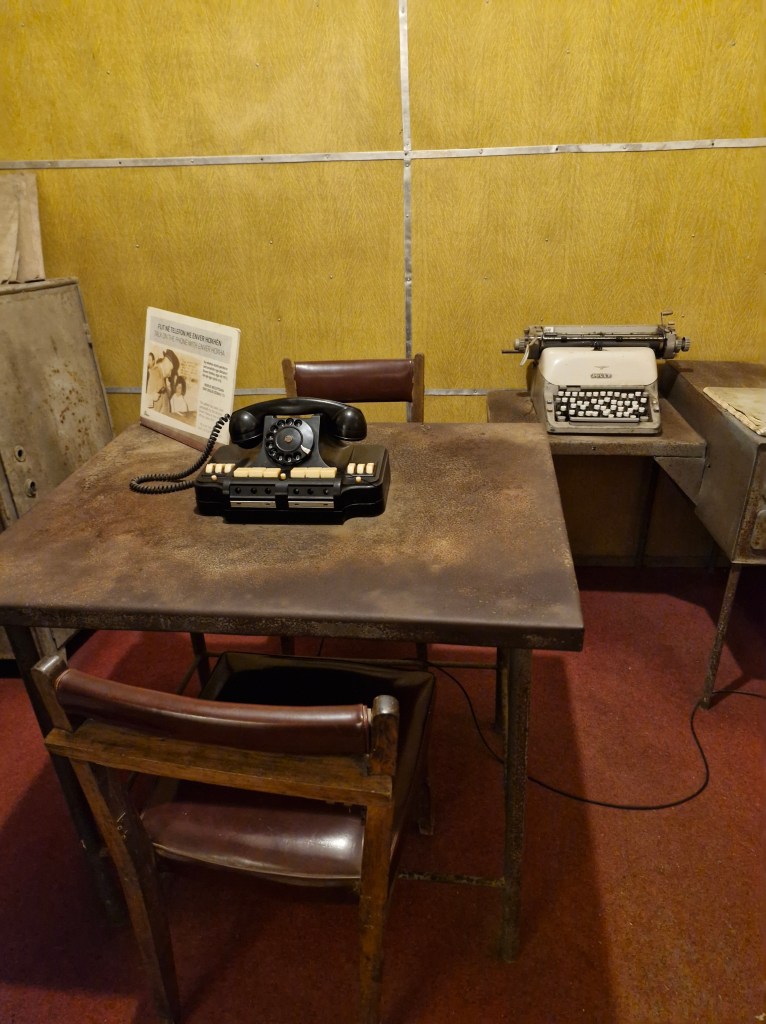
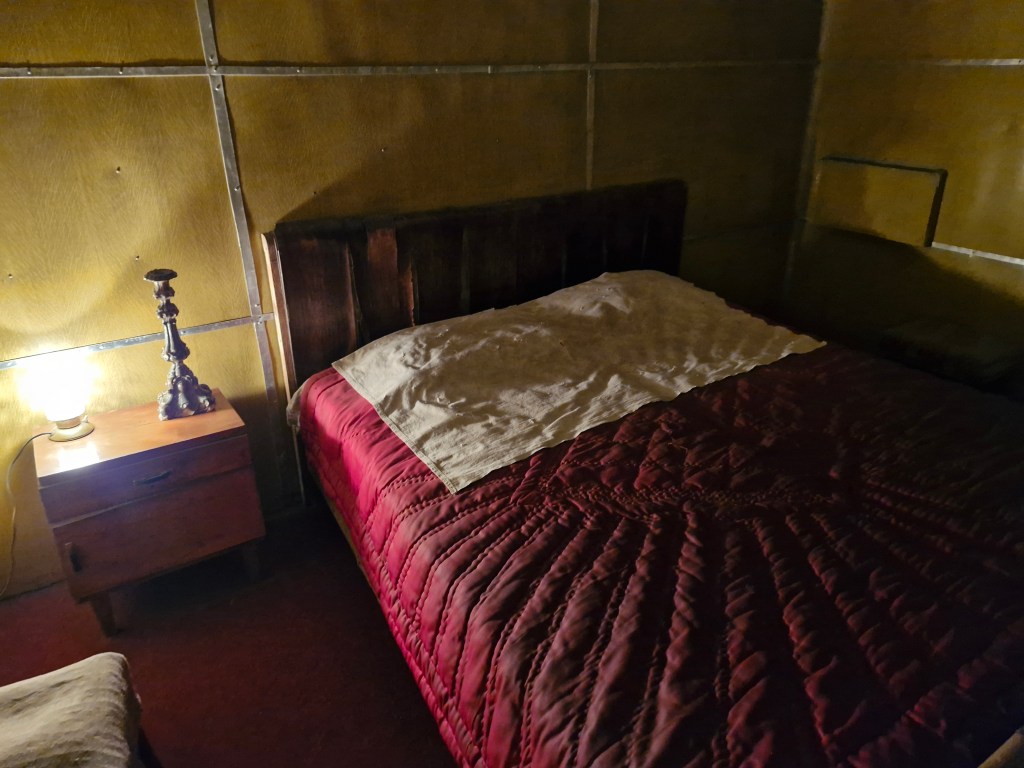
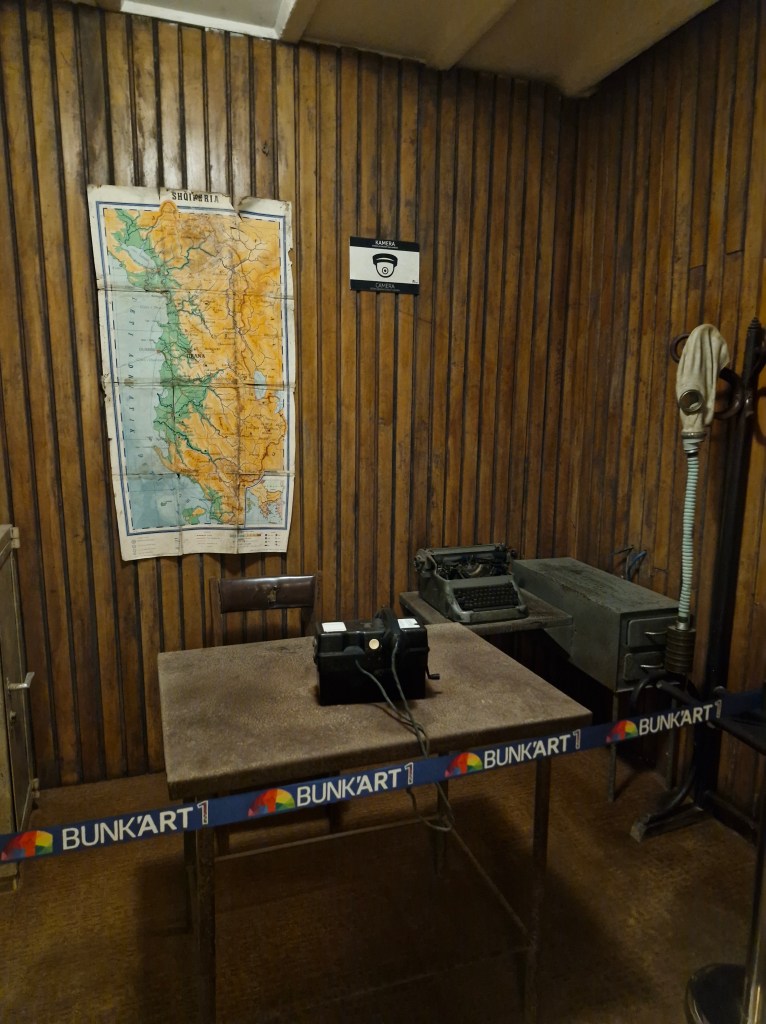
Bunk’Art 2 site was simply the highlight of this trip. It is located in the outskirt of the city and it is a former underground nuclear bunker built during the communist era for Albania’s political elite. Today, it has been transformed into a museum that documents the dictatorship, political repression, and everyday life under Enver Hoxha’s regime.
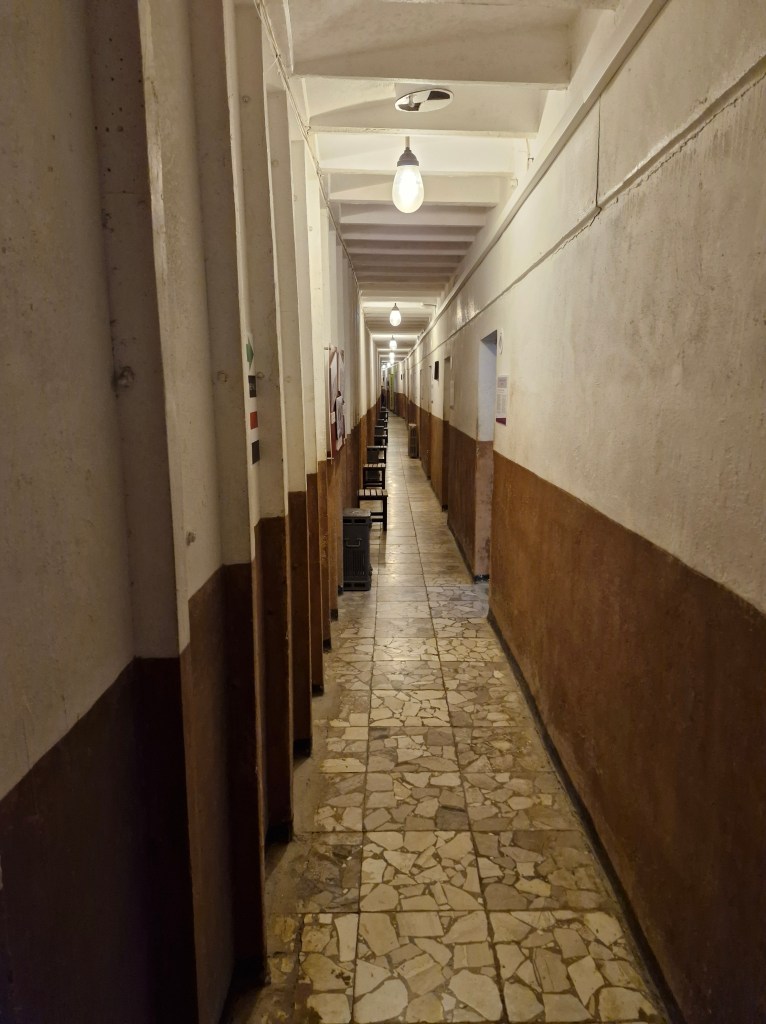
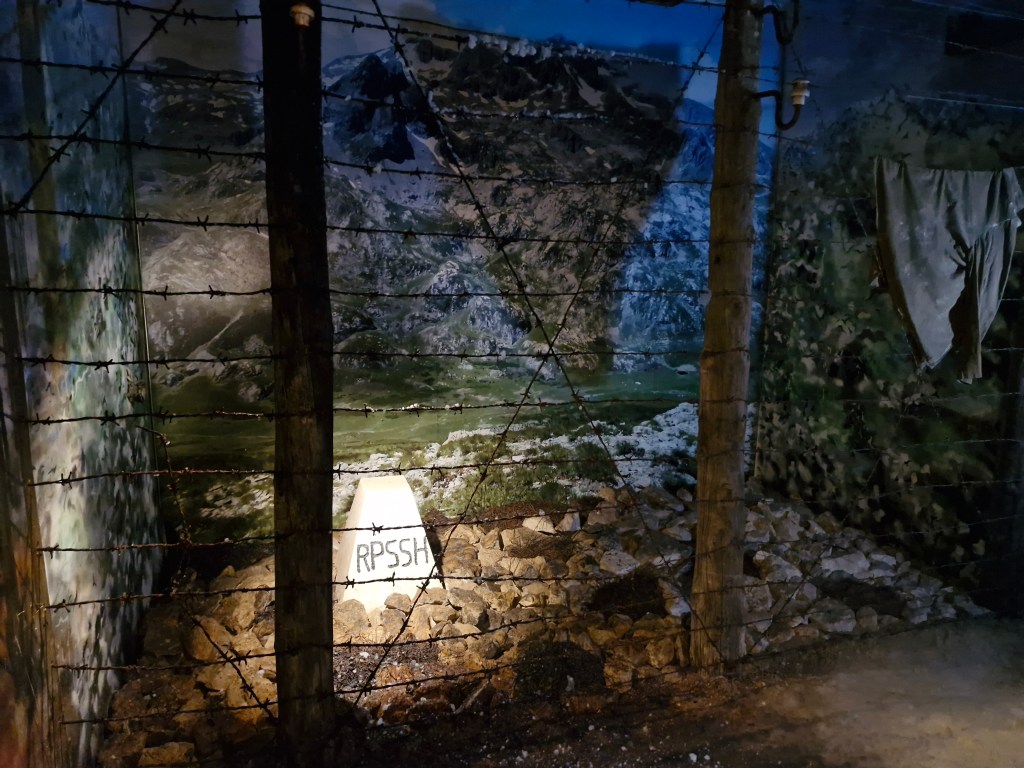
This place left a deep impression on me. I’ve visited many communist-era sites during my travels, but I have never felt the same level of sorrow and tightness in my chest as I did here. The bunker gives a very clear and unsettling idea of how officials once gathered underground, preparing for a war that never came, while the population above lived in fear and isolation. Everything about this space underground felt heavy and hostile
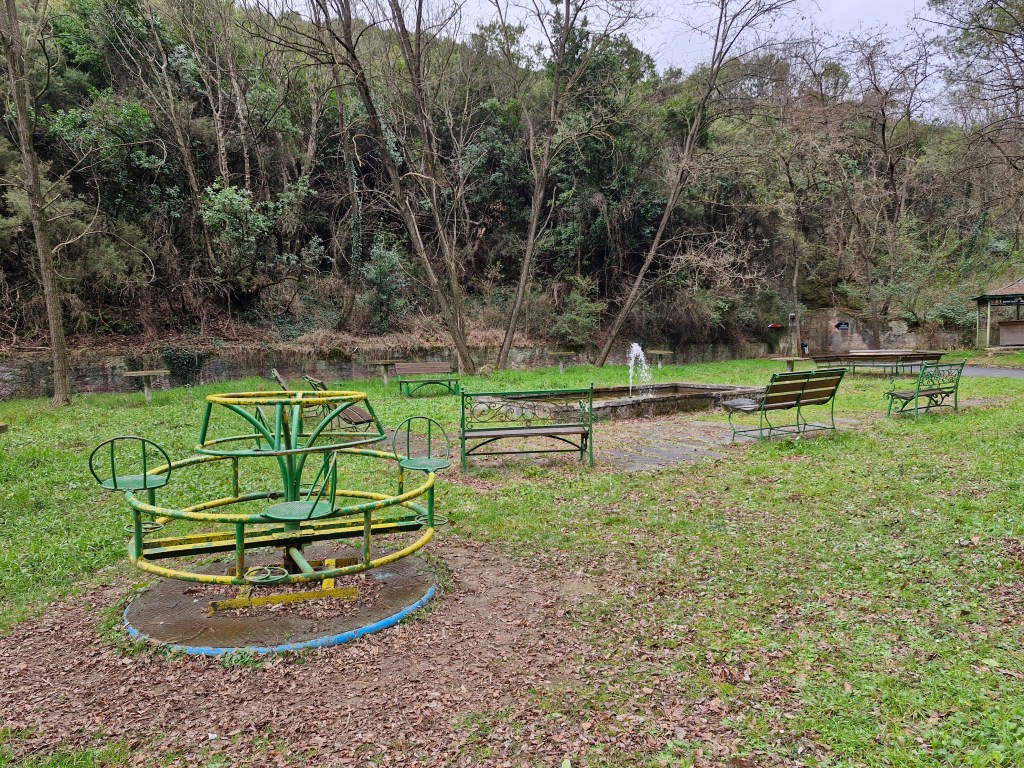
The area around the bunker itself reminded me of something out of the video game Silent Hill; it’s dark, unsettling, and slightly disturbing. Inside, despite the bunker being massive, the corridors felt incredibly tight. The damp air, the smell, and the lack of natural light made me want to leave as soon as possible, even though I was there to learn and understand more about that period of history, but I just wanted to get out of there as soon as possible.
Walking out of Bunk’Art 2 felt like a relief. The experience reinforced just how extreme and unmatched Albania’s version of communism truly was. It was not only isolating, but deeply oppressive and, quite frankly, ugly.
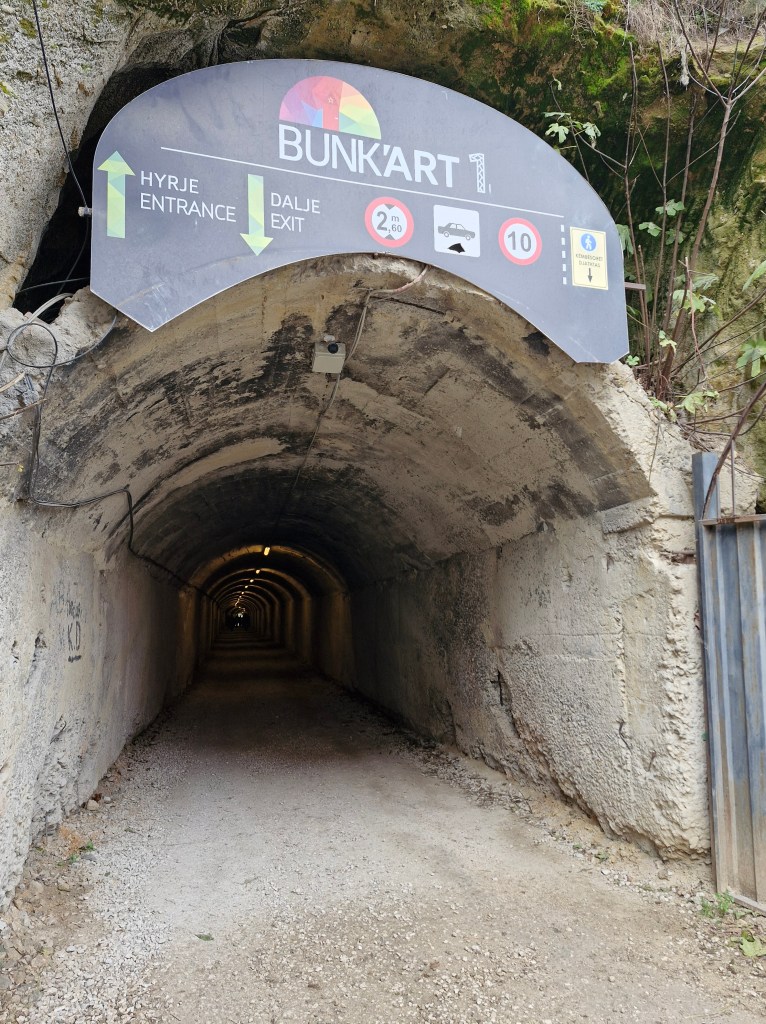
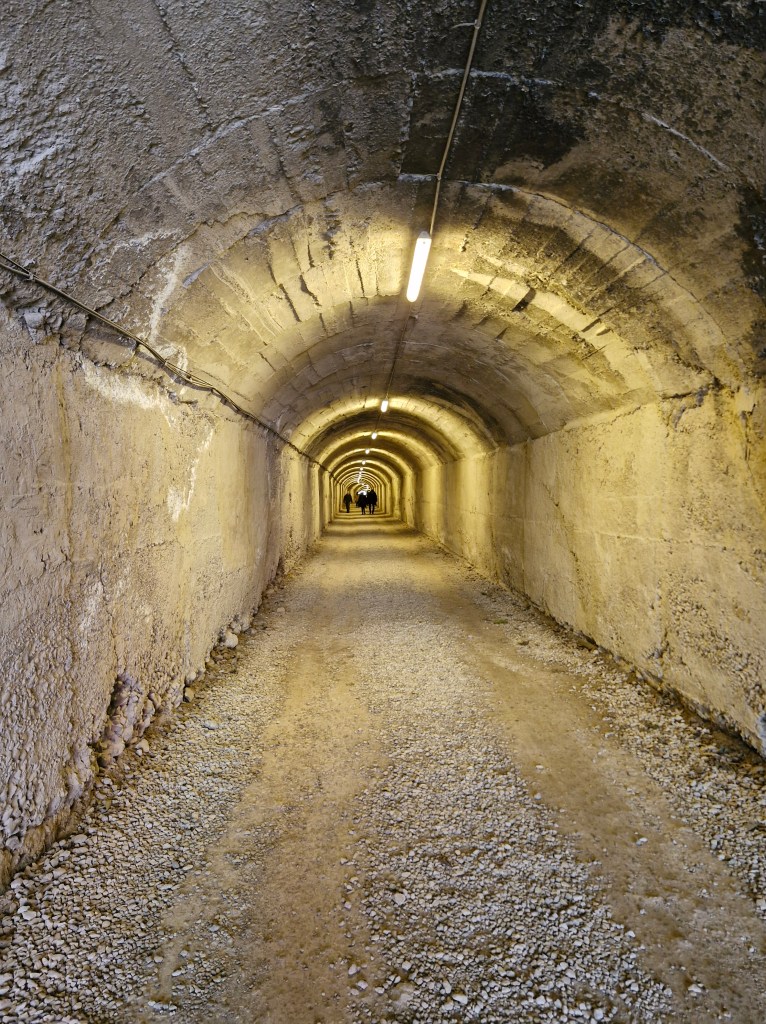

Cable Car
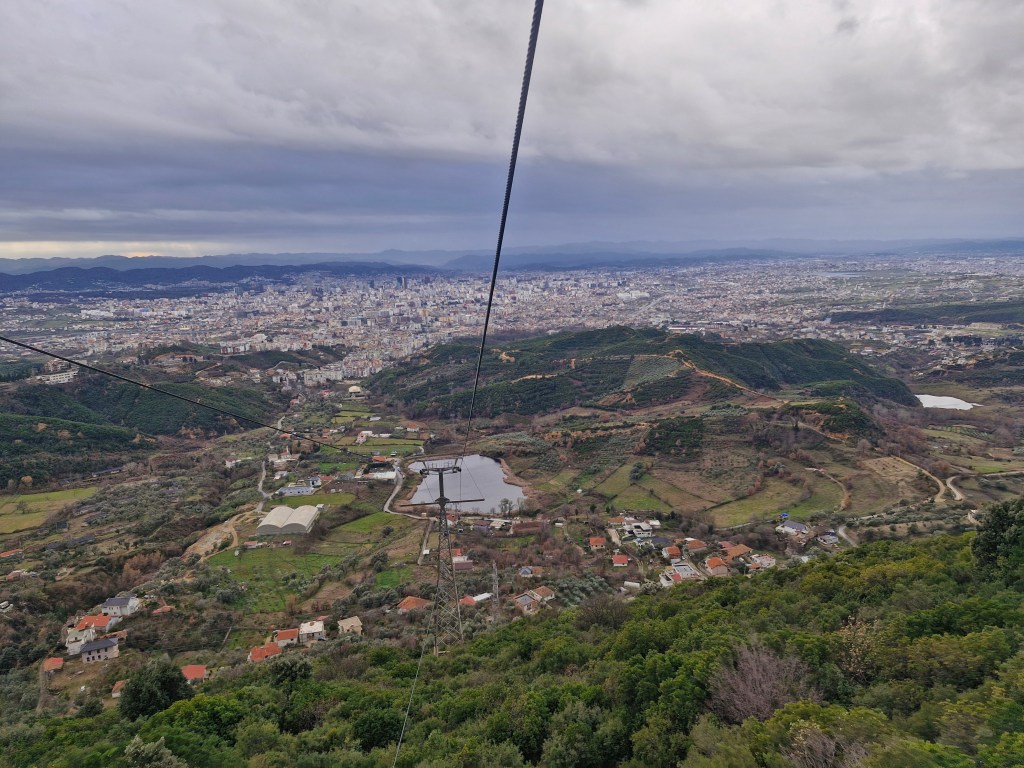
After the incredibly sorrowful experience at the bunker museum, I felt the need to change the terrible mood and enjoy watching some nature. Luckily, Tirana has an impressive cable car system called Dajti Ekspres, only a walking distance from the Bunk’Art 2 site. It’s considered one of the longest cable cars in the Balkans, and takes visitors up to Mount Dajti, showing panoramic views over Tirana and the surrounding landscape.
I took the cable car up the mountain and then back down. Unfortunately, the weather was bad; it was rainy and quite windy, so I couldn’t fully enjoy the views or spend much time in Mount Dajti on the top. Still, the ride itself felt calming and refreshing after the heaviness of Bunk’Art 2. I still recommend it though, especially if the weather is nice and sunny.

The Food
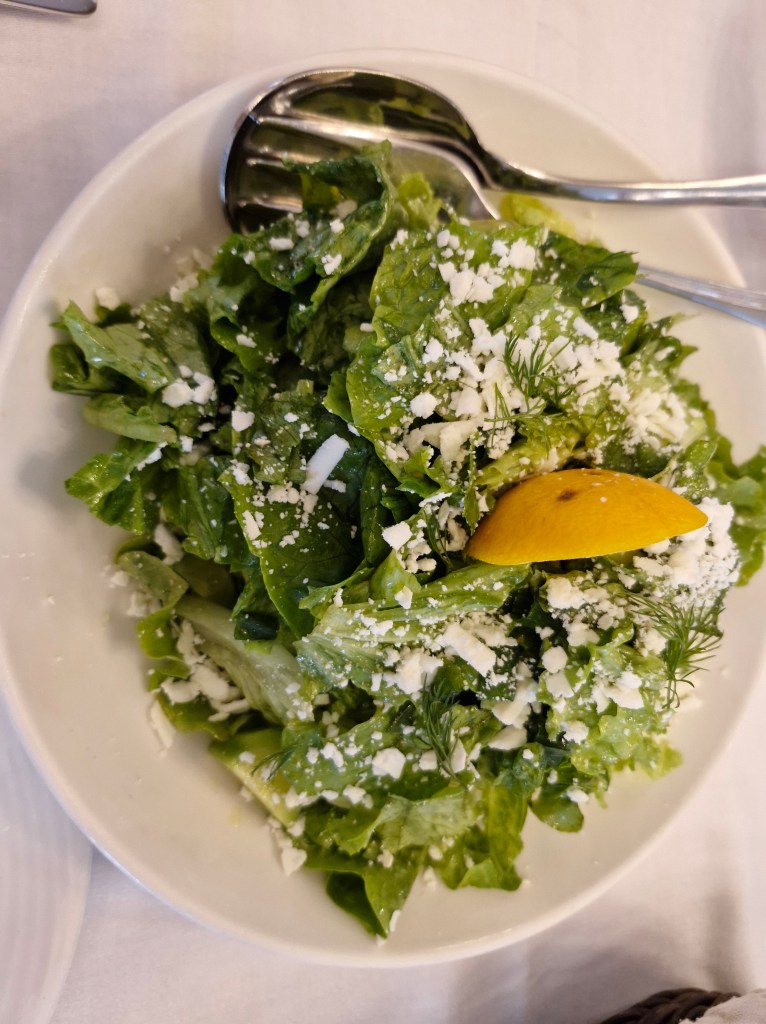
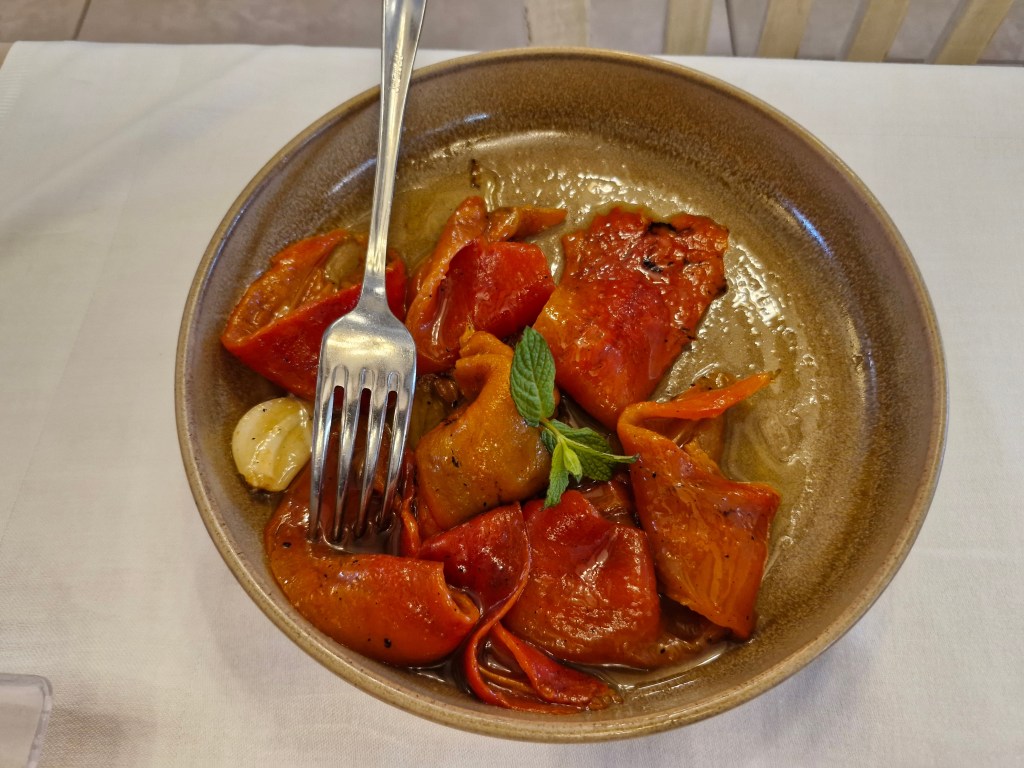
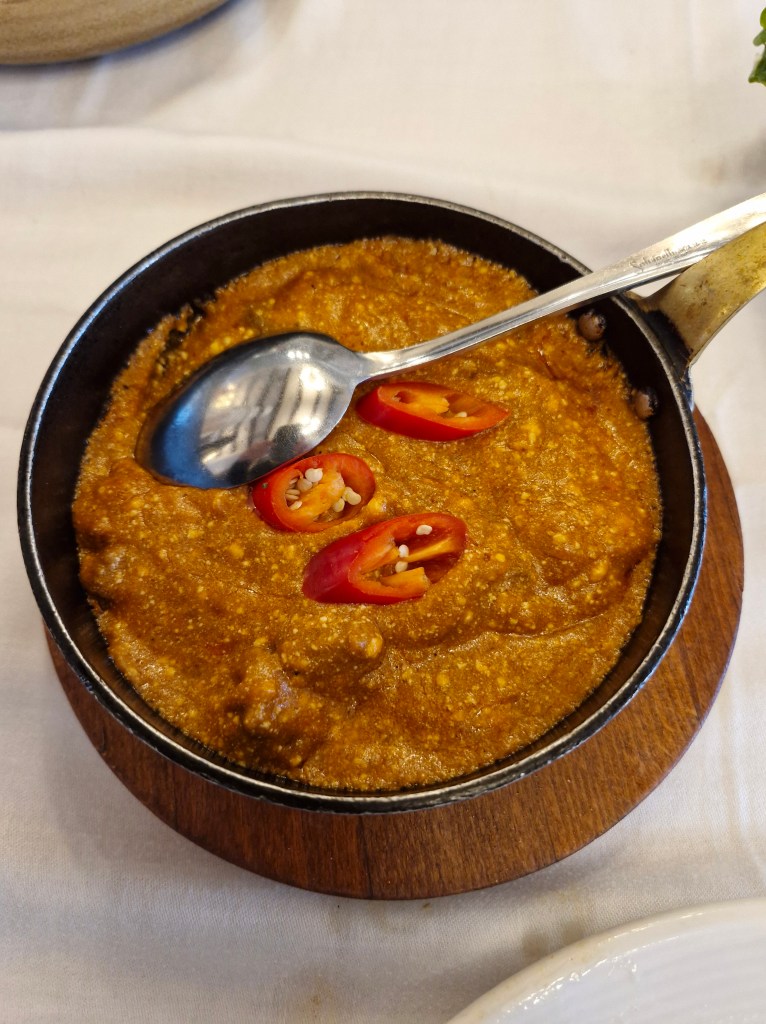
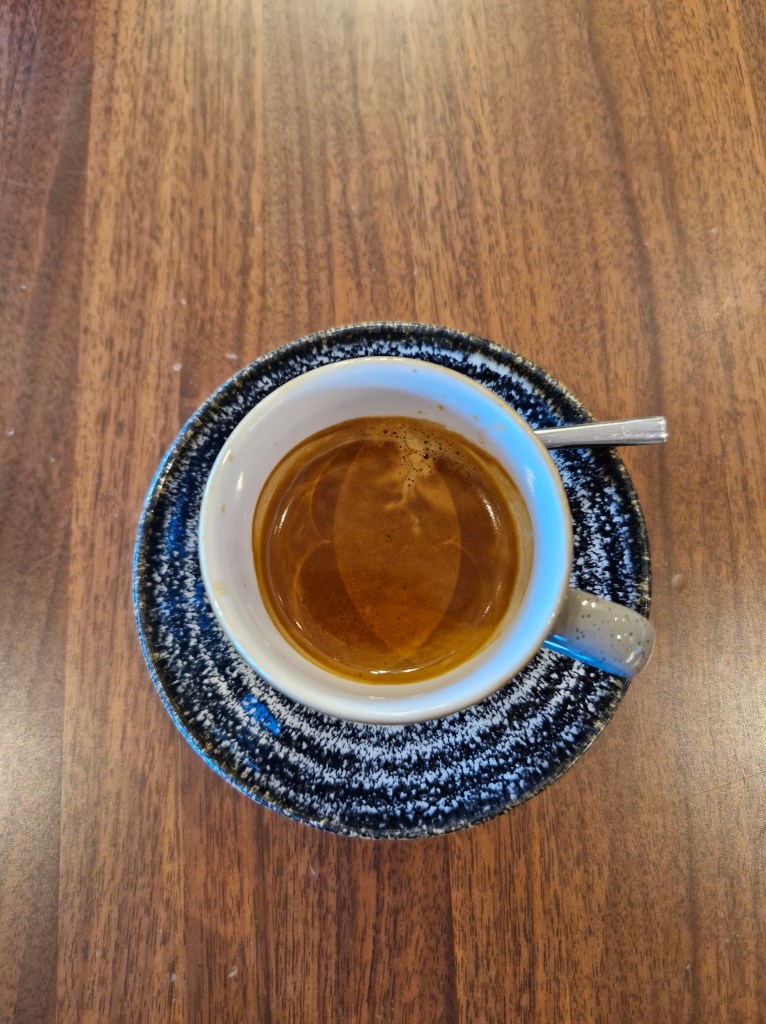
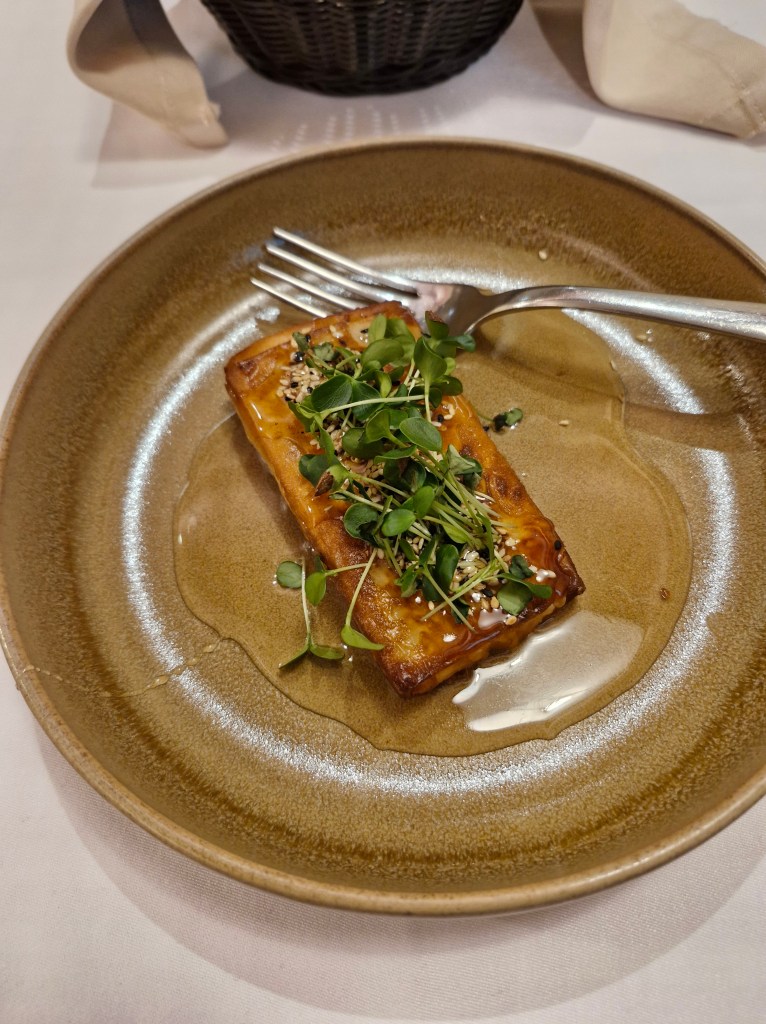
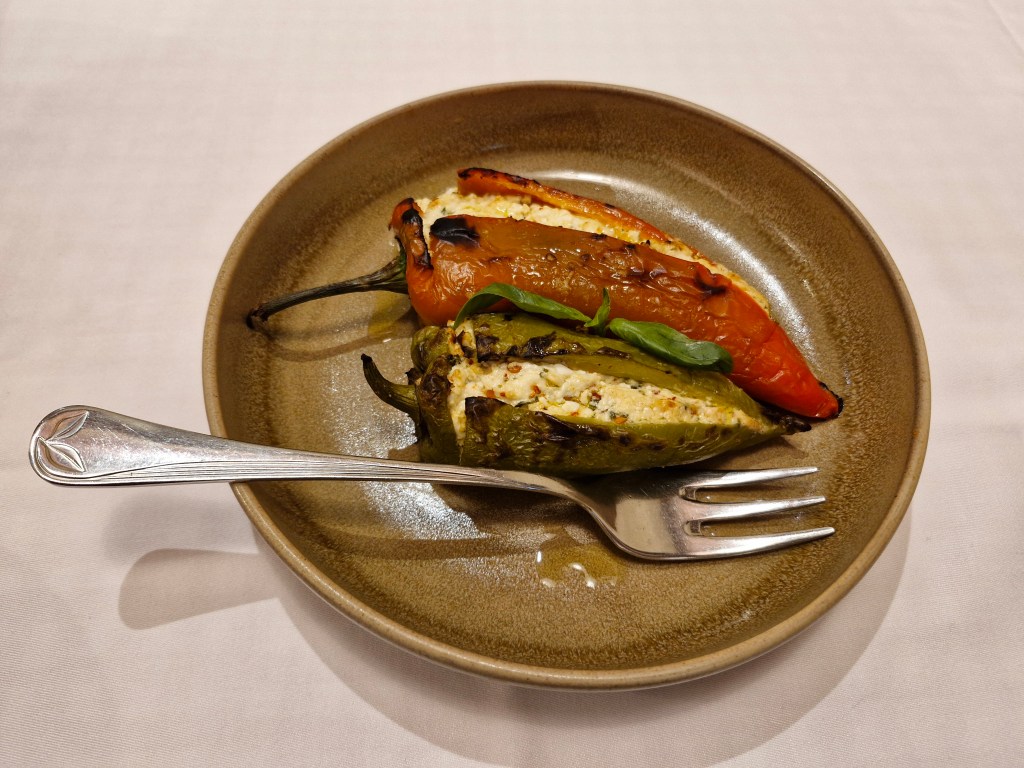
Right after I checked in at the hotel, I asked the receptionist for a recommendation for a truly good Albanian restaurant nearby. She suggested Era Vila, and I’m so glad she did, because eating there turned out to be an amazing experience. I was starving, so I started with a green salad and some roasted peppers for starters. They both tasted fresh and flavorful. For the main course, I tried an Albanian dish called Fërgesë, made with peppers, tomatoes, cheese, and meat. The flavors were rich, creamy, and slightly spicy, it was incredibly tasty and for sure, the bet dish I had in Albania.
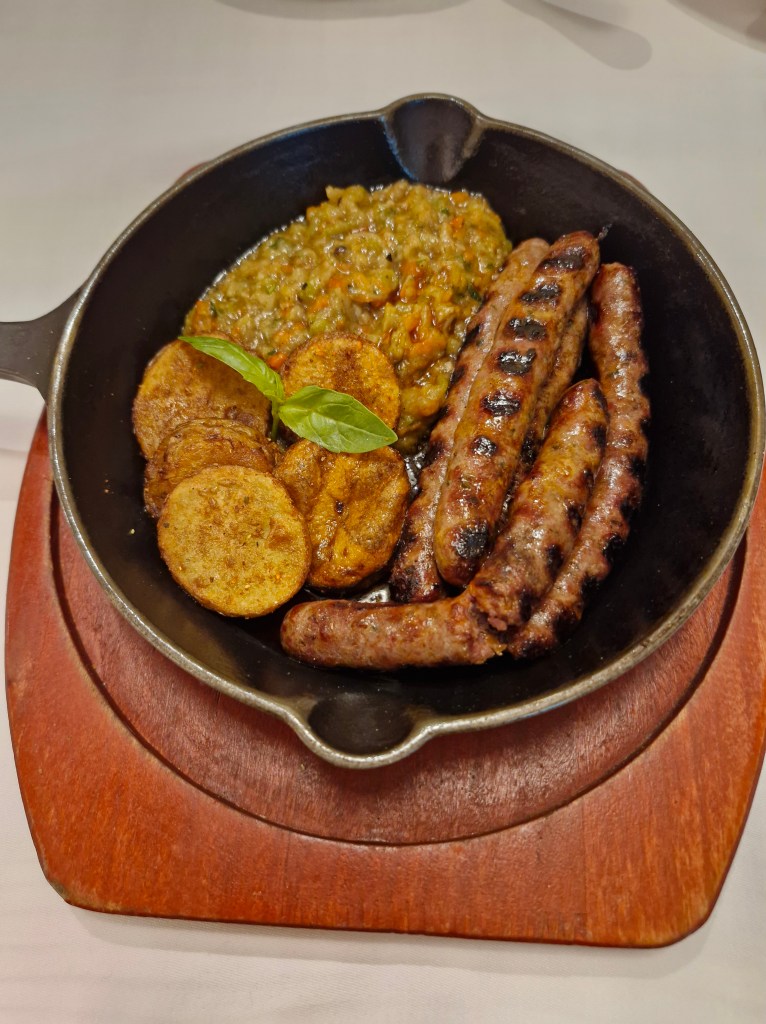
Another meal I tried in Tirana was at Restaurant Piceri Era Blloku. I tasted at least three different dishes, but unfortunately, the experience was below average. Even the main course, which was Albanian sausages, was overly salty and didn’t live up to expectations.
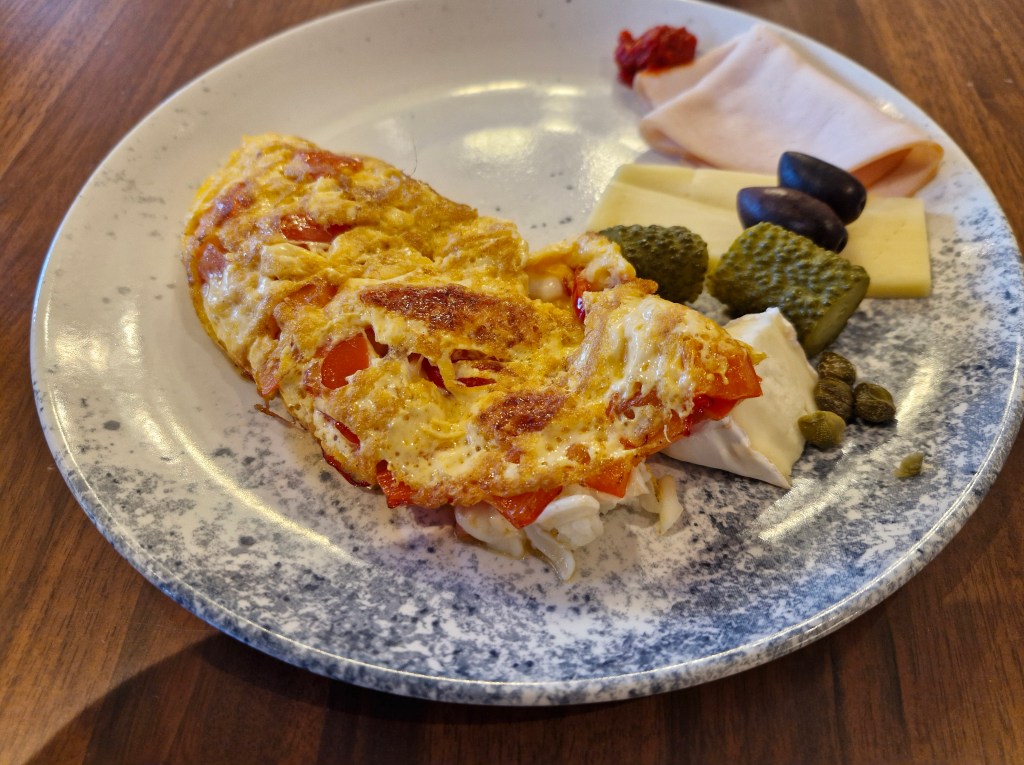
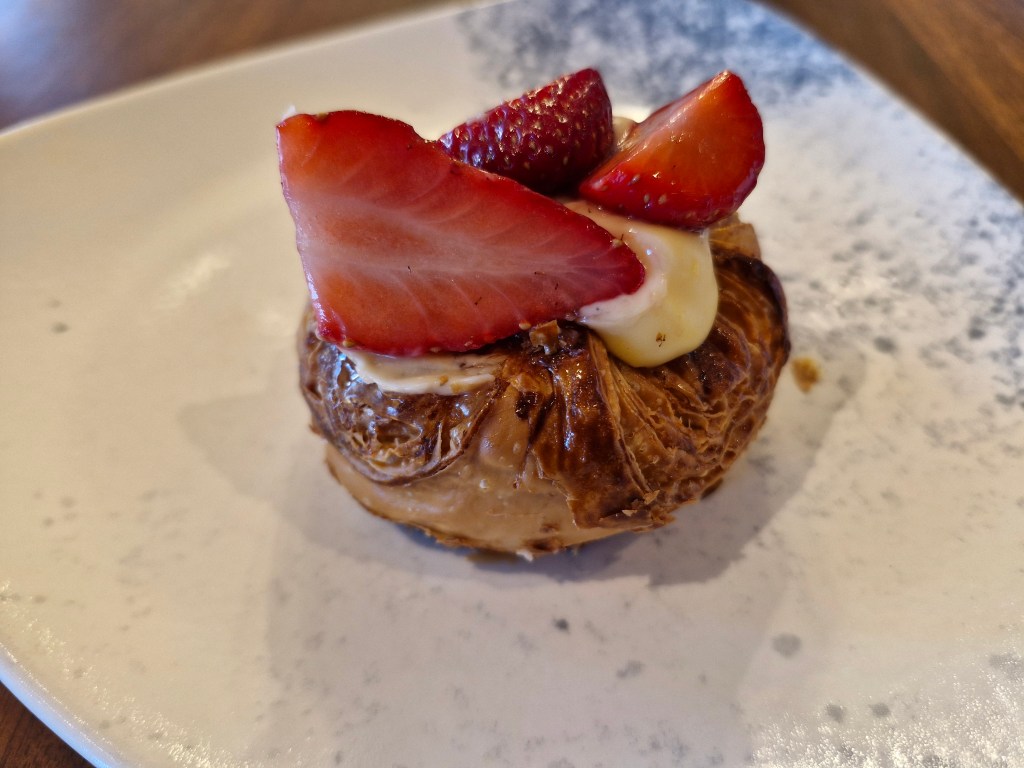
Breakfast at the hotel, however, was another highlight. Not only was the food delicious, but the service was exceptionally warm and friendly. I truly enjoyed everything about that hotel.
Overall, the food experience in Tirana was a bit hit-or-miss. It wasn’t the most memorable culinary destination I’ve been to, but there were definitely some moments worth savoring, like the Fërgesë at Era Vila.

Summary
Finally, we are at the last section of this blog. I like to use this part to share my impressions and reflect on the experience of visiting a place. As I mentioned above, this was my first time in Albania, and my visit was during the new year, so the weather was far from perfect although the first couple of days were sunny (a bit cold though) but then it became rainy, and the rain continued until I left, and even when I was in Kosovo, which was my next stop after Albania, the rain didn’t smoke.
I know that Albania is much more than Tirana, and most visitors come to Albania for the beautiful beaches along the coast, such as Srande, Durres, and Vlore. Still, I’m glad I finally managed to see Albania and learn more about its history and culture. At Bunk’Art 2, I saw firsthand how the country was ruled by a paranoid dictator, Enver Hoxha, who ordered the construction of over 180,000 bunkers across the country because he feared an invasion and obviously, that invasion never came. These bunkers consumed enormous resources and now stand everywhere across Albania, a constant reminder of that crazy time. Hoxha even declared Albania the first atheist country in the world, back in 1967 —can you believe that? All religious institutions were closed or repurposed, and religious practices were banned. This made Albania unique in the 20th century for actively enforcing state atheism, that’s in addition of being the most isolated country in the world.
Albania is still still alright, and I must say that the people I met were generally friendly, approachable, and almost everyone spoke excellent English. My stay at the hotel was remarkable, and if I ever return to Tirana, I will do my best to stay there at the same hotel again again.
Overall, Albania left me with a mix of history, reflection, and the curiosity to see even more of this intriguing country. However, after this trip to Albania (and later Kosovo and North Macedonia), I realized that countries from the former Soviet Union are truly my cup of tea when it comes to traveling and exploring. Even though, I still somehow enjoyed trips like this one to Albania, but I have to admit that the level of excitement, enjoyment, and fun I get from visiting former Soviet countries is on a whole different level. By the way, I forgot to mention that Albania is so affordable; the value for money there is really great, which can be a good reason to visit. In other words, you receive very good value for the money you spend there especially accommodation and dining out.
That’s all I can tell about my short visit to Albania. In the next blog, I’ll tell you all about my trip to Kosovo, a very controversial place, so stay tuned!

 Travel & Share
This article is a great source of information, presented in a way that is both engaging and easy to understand for readers.
https://sites.google.com/view/nekoinfo/home
LikeLiked by 1 person