

About Qatar
In November 2025, I visited Qatar for a business trip from Dubai. I didn’t expect much beyond meetings and a tight schedule, but Doha pleasantly surprised me almost immediately; Hamad International Airport in Doha looked remarkably elegant, and the metro system left an equally strong impression. By the time I left, I knew that I should return for a leisure trip.
A couple of weeks later, I decided to return and this time was purely for leisure. On December 1st, I flew from Dubai to Doha and spent two nights there. The plan was very simple: watch some football matches including the opening match of the FIFA Arab Cup in some of the state-of-the-art stadiums that had hosted the 2022 FIFA World Cup, and explore more of Qatar at a slower pace. It felt like the perfect opportunity to experience the country beyond a work schedule and see it through the eyes of a traveller.
Qatar is a small country located on the Eastern edge of the Arabian Peninsula, with an area of just over 11,500 square kilometers, it’s one of the smaller countries in the region, yet home to a population of around 3 million people, of which only about 10 to 15% are Qatari nationals. The country gained independence in 1971, and the discovery and development of vast natural gas reserves later transformed it into one of the world’s wealthiest nations, shaping the modern Qatar we see today.
Qatar is small, with an influence that far exceeds its size. Over the past years, it has placed itself firmly on the global stage through sports, diplomacy, infrastructure, and, of course, ambition. From hosting the FIFA World Cup to Formula 1 and countless international events, Qatar has made it clear that it’s up to the challenge. Qatar is very modern, wealthy, ambitious, and also traditional. In this blog, I’ll share my experiences and impressions of this small country, exploring the blend of history, culture, and modern infrastructure that make Qatar truly remarkable.
The Flight, Metro, and the Hotel
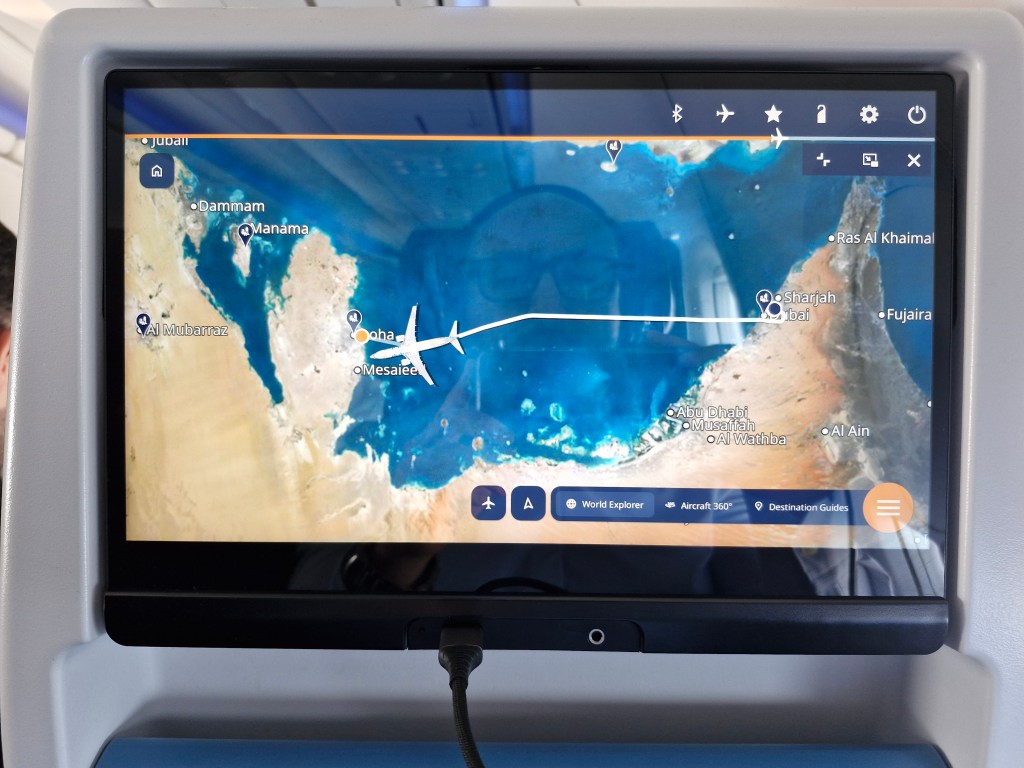
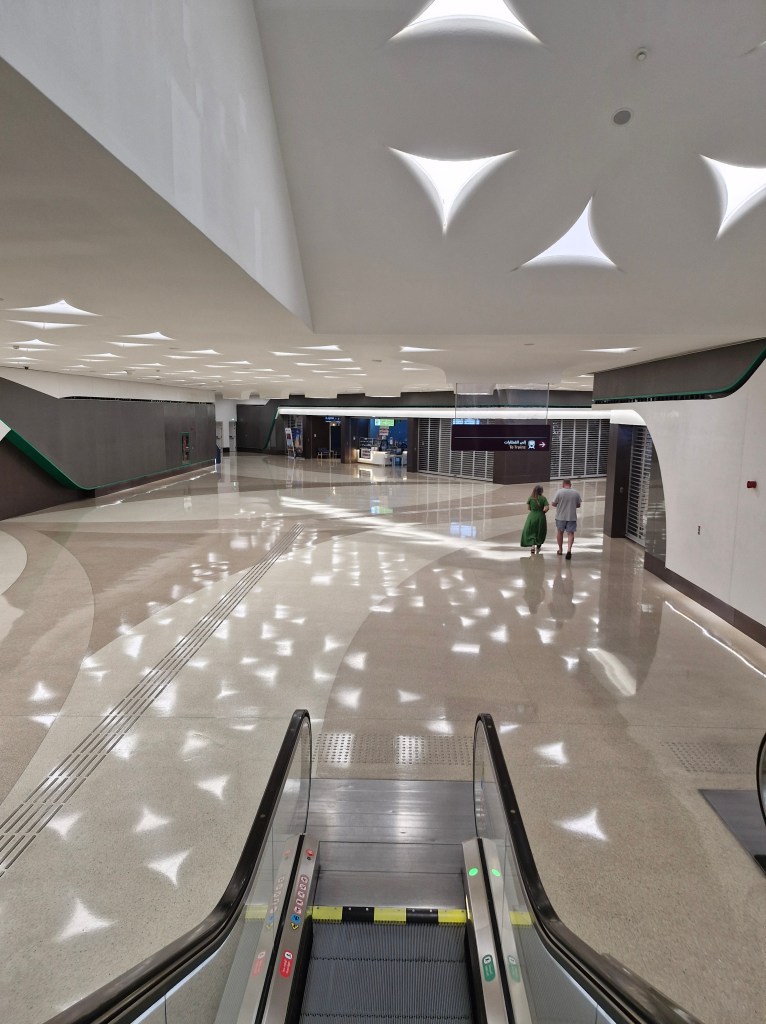
I flew from Dubai to Doha with FlyDubai on a very short flight that lasted less than an hour. It was so brief that it was almost uneventful. Upon arrival, I used the e-gates for passport control, and the entire process was incredibly smooth and quick. Within minutes, I was already in the arrivals hall, heading straight toward the metro station.
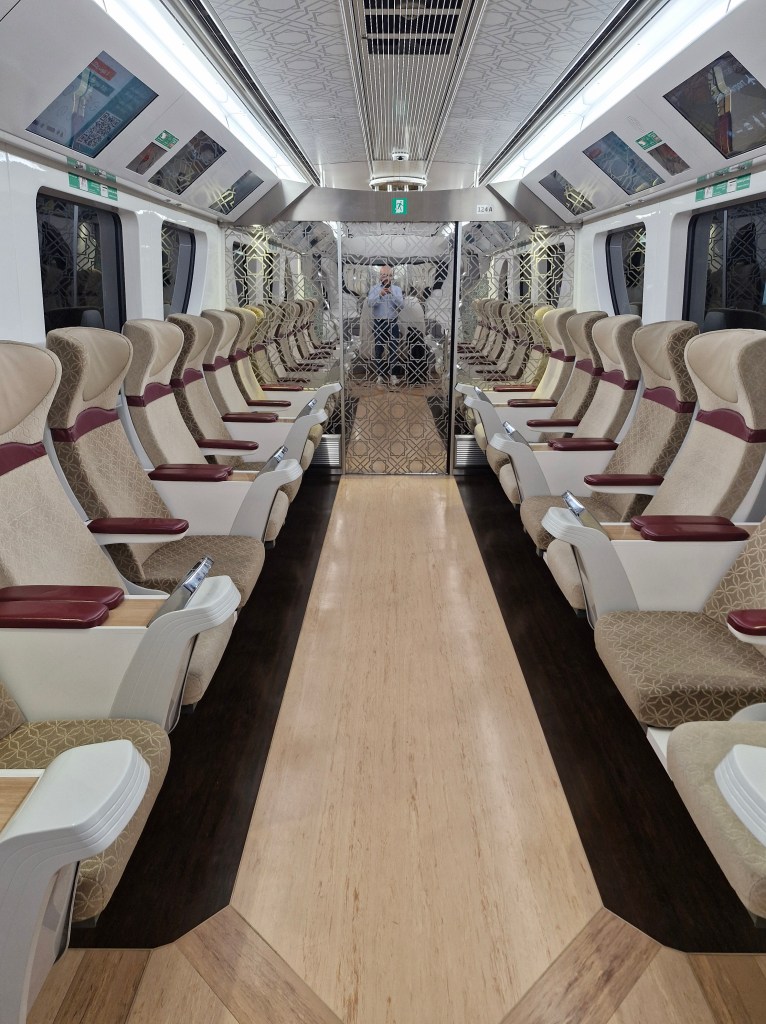
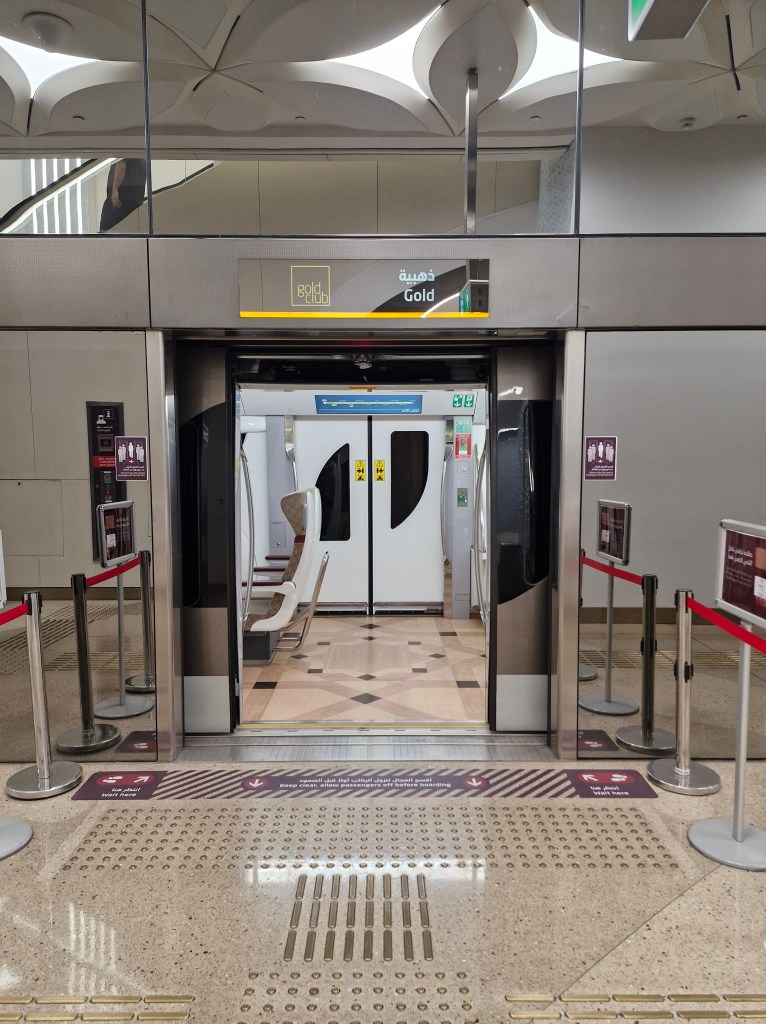
I purchased a Gold Class day ticket for the Doha Metro. The metro has two classes: standard and gold, and the gold class day pass costs only 30 Qatari Riyals (approximately $8.30), valid for unlimited travel for the entire day. As I entered the lavish Gold Class compartment, I immediately felt a sense of exclusivity, as I was the only one there. A few minutes later, after changing the metro lines, I arrived at the station closest to my hotel.
I’m in love with Doha Metro, and it’s probably one of my favourites. It’s beautiful, clean, affordable, and very modern. It’s cheaper than the Dubai metro and noticeably less crowded, which made the experience even more enjoyable. Trust me, you don’t want to ride the Dubai metro in rush hour.



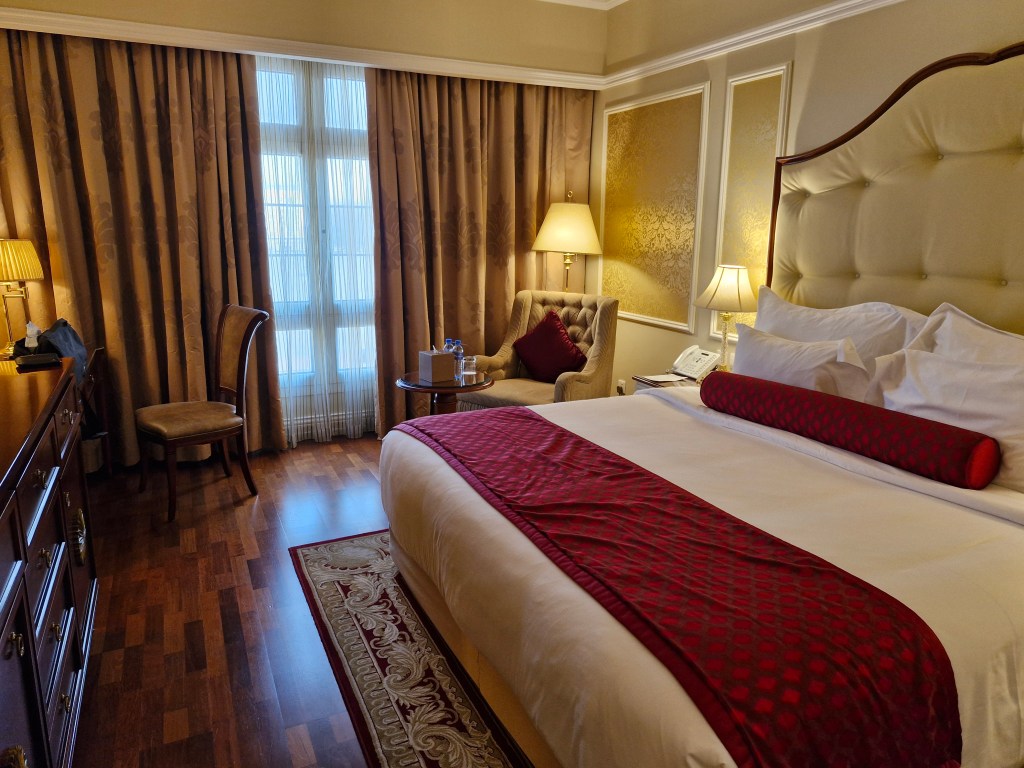
I arrived at my hotel in Doha, which is called the Warwick Hotel. It was a busy period in the city; the day before my arrival was the Formula 1 race, and I arrived on the opening day of the FIFA Arab Cup. Luckily, I had booked in advance and managed to secure a good deal. The check-in was quick and smooth, and within minutes, I was in my comfortable room. The hotel itself was very pleasant, with top-notch, friendly service throughout my stay. The location was also good: just a three-minute walk from Hamad Hospital Metro Station and only a 6 to 7 minute drive from Souq Waqif, Doha’s iconic traditional market.
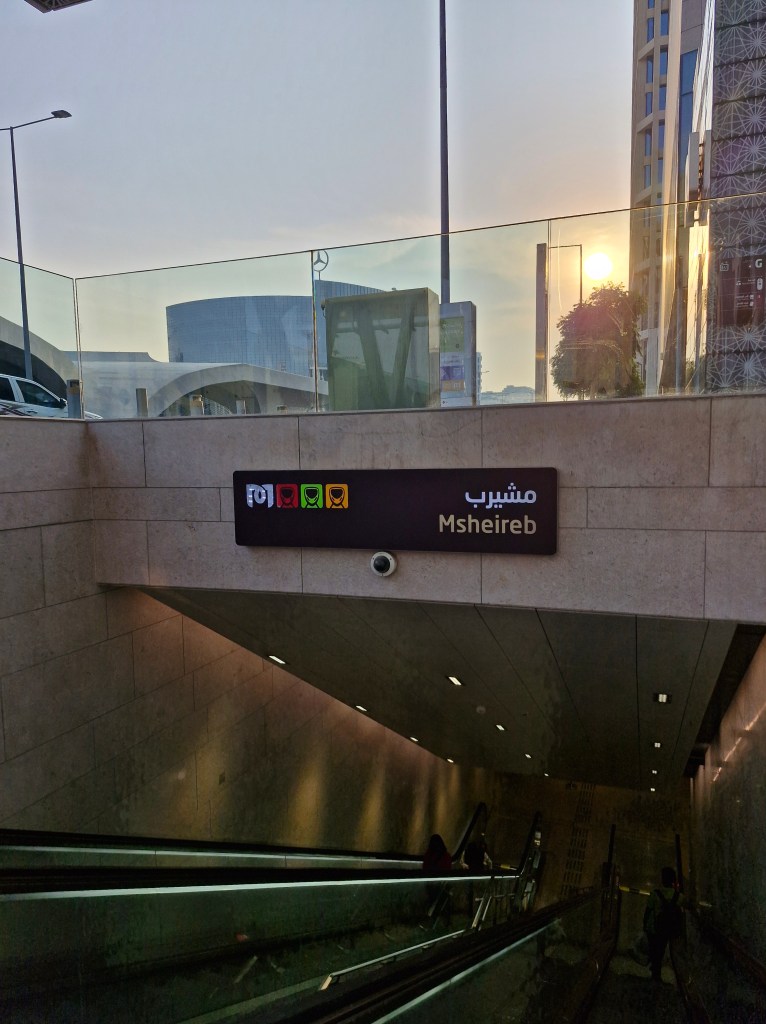
Walking around in Msheireb
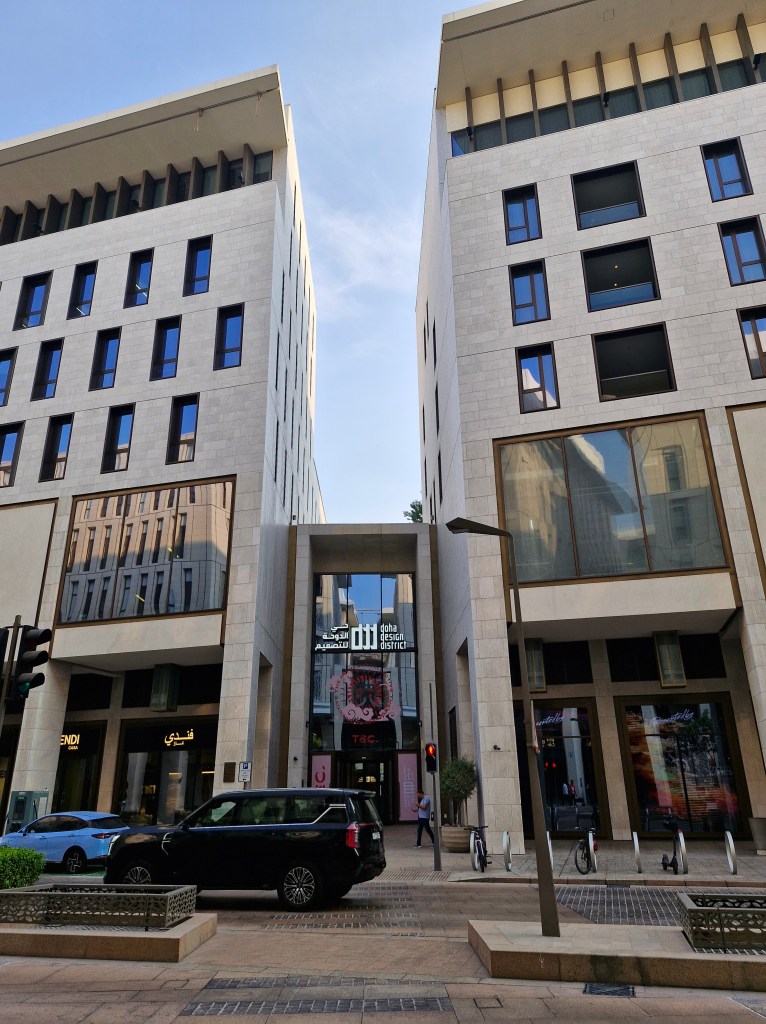
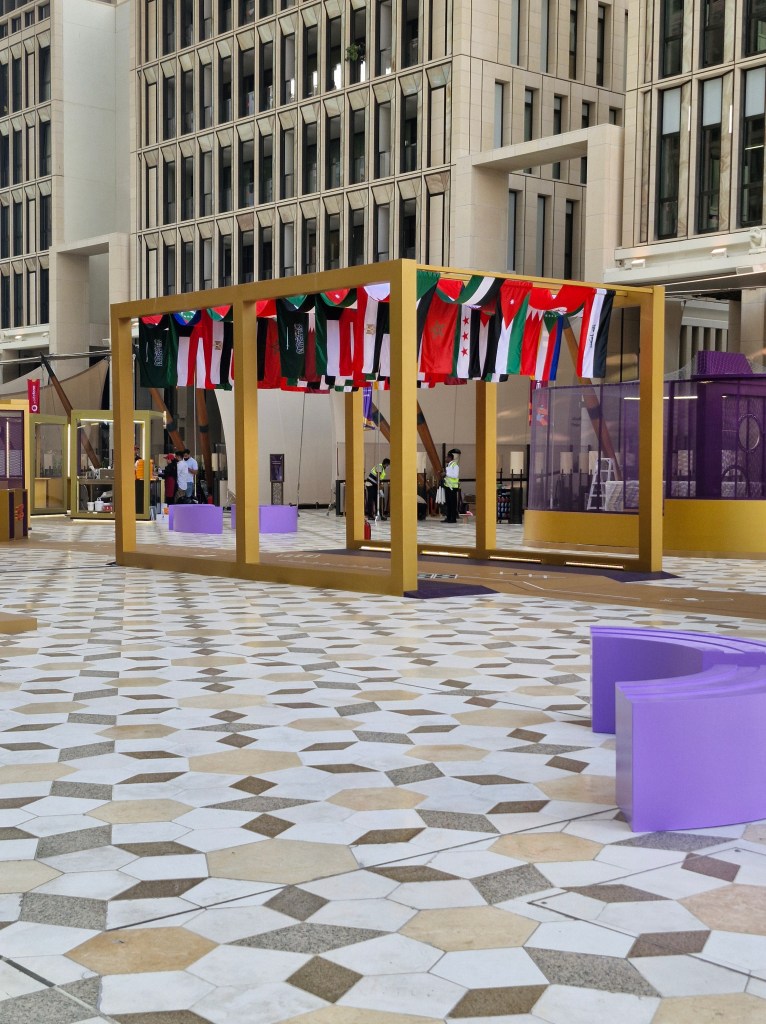
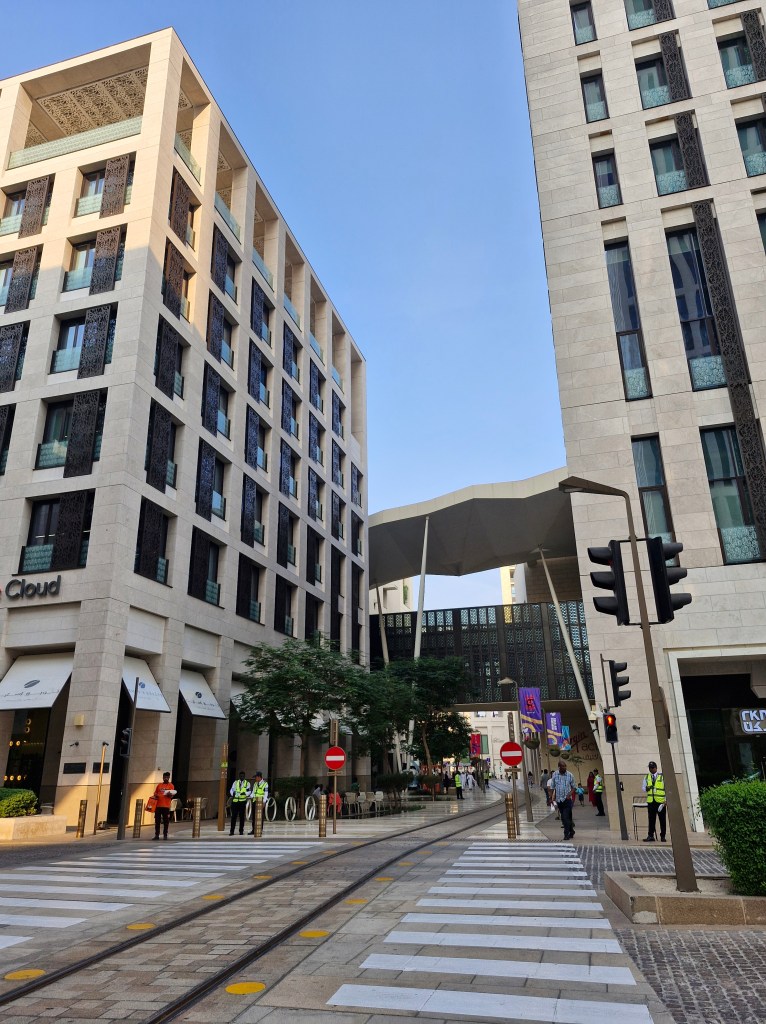
After checking in at the hotel, I wanted to quickly explore Msheireb Downtown Doha, which is a modern district with sleek and harmonious architecture with a sustainable design; energy-efficient buildings, walkable streets, and shaded spaces that make walking pleasant even in hot summer months.
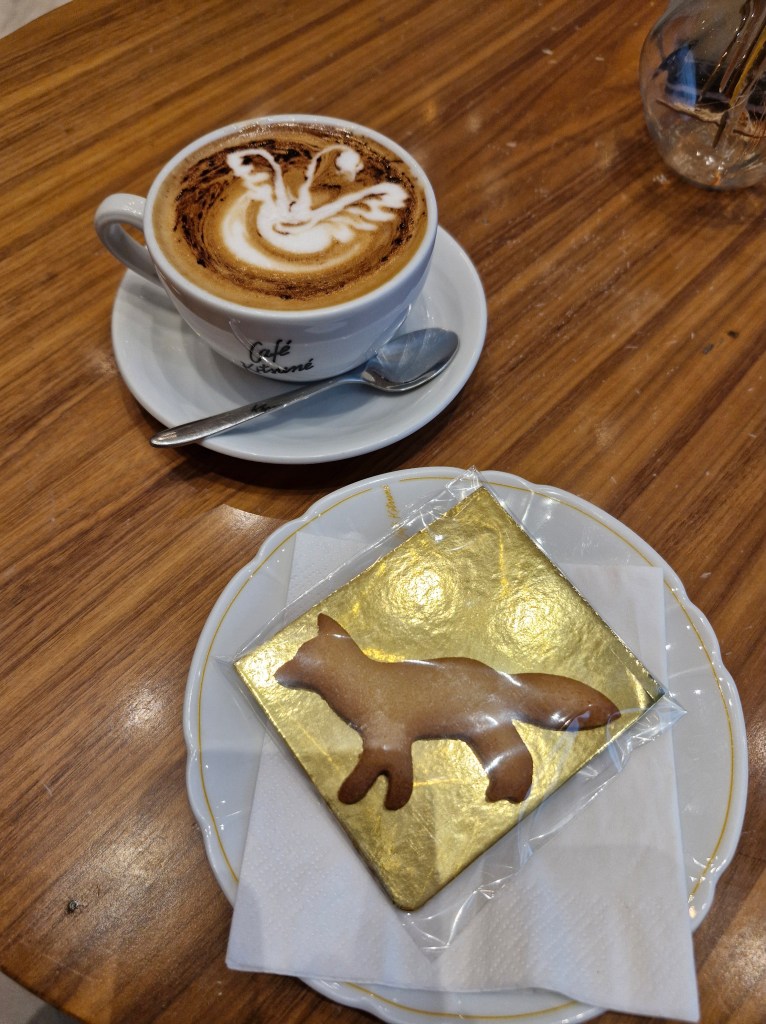
I didn’t have much time there, as I was planning to attend the opening ceremony and first match of the FIFA Arab Cup a couple of hours later between Qatar vs. Palestine. It was still worth it that I got at least a first glimpse of the area. I stopped for a coffee at the end of my tour, which turned out to be a very good coffee, and spent some time simply walking around and feeling the atmosphere. I left hoping I would be able to return the next day. Unfortunately, due to time constraints, that didn’t happen! But Msheireb left a good impression that it’s definitely a place I would like to explore more on a future visit.
Qatar 0 Palestine 1
After my walk around Msheireb, I was full of excitement as I headed to the stadium to watch the opening match of the FIFA Arab Cup. One of the main reasons that encouraged me to visit Qatar was the opportunity to watch football in the very same stadiums that had hosted historic matches during the 2022 FIFA World Cup.
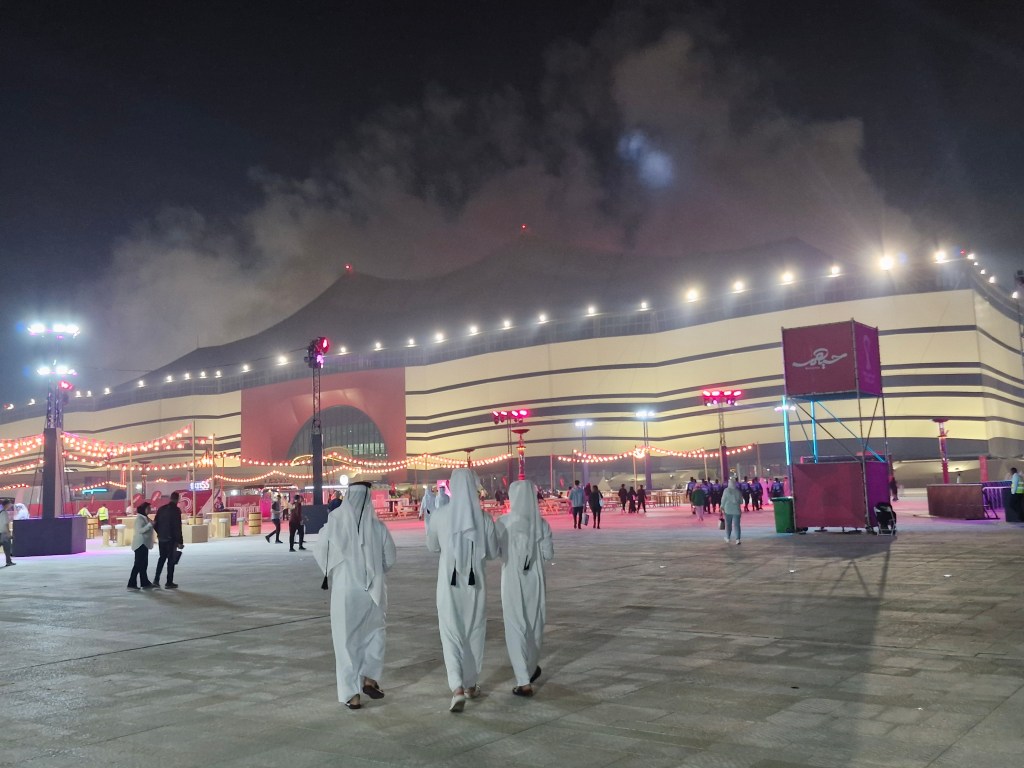
I was incredibly excited to see Al-Bayt Stadium, an architectural masterpiece inspired by a traditional Bedouin desert tent. This iconic stadium had hosted the opening match and a semi final of the 2022 World Cup, along with several other major games in the World Cup. Seeing it in person had been on my list for a long time.
On the way to the stadium, I realized that I had made a big mistake by taking a taxi. I ended up stuck in a heavy traffic on the way to the stadium with a driver who doesn’t speak English or Arabic, which made the situation even more frustrating. It took quite a while before I managed to get out and continue on foot. Lesson learned: when attending a match in one of Qatar’s massive stadiums, public transportation is definitely the best option.
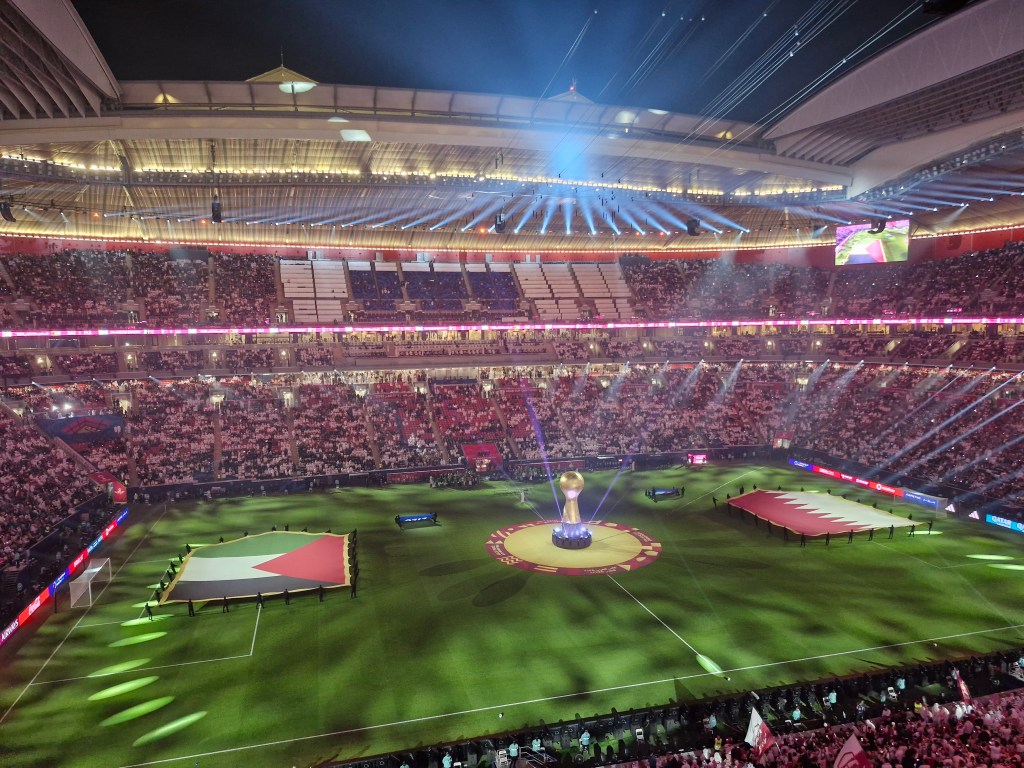
As I approached Al-Bayt Stadium, I was simply amazed. From the outside, it looked like a magical architectural jewel, and once inside, the experience was spectacular. The opening ceremony was beautiful and well-organized, setting the tone perfectly for the match that followed.
The game itself was not very exciting until the final minutes of the game. The score remained 0–0 until the very last minute of added time, when Palestine scored a dramatic and unexpected goal, securing a historic victory against the hosts. It was an emotional moment; a surprise yet incredible win for a resilient people with the most just cause in the world.

Souq Waqif
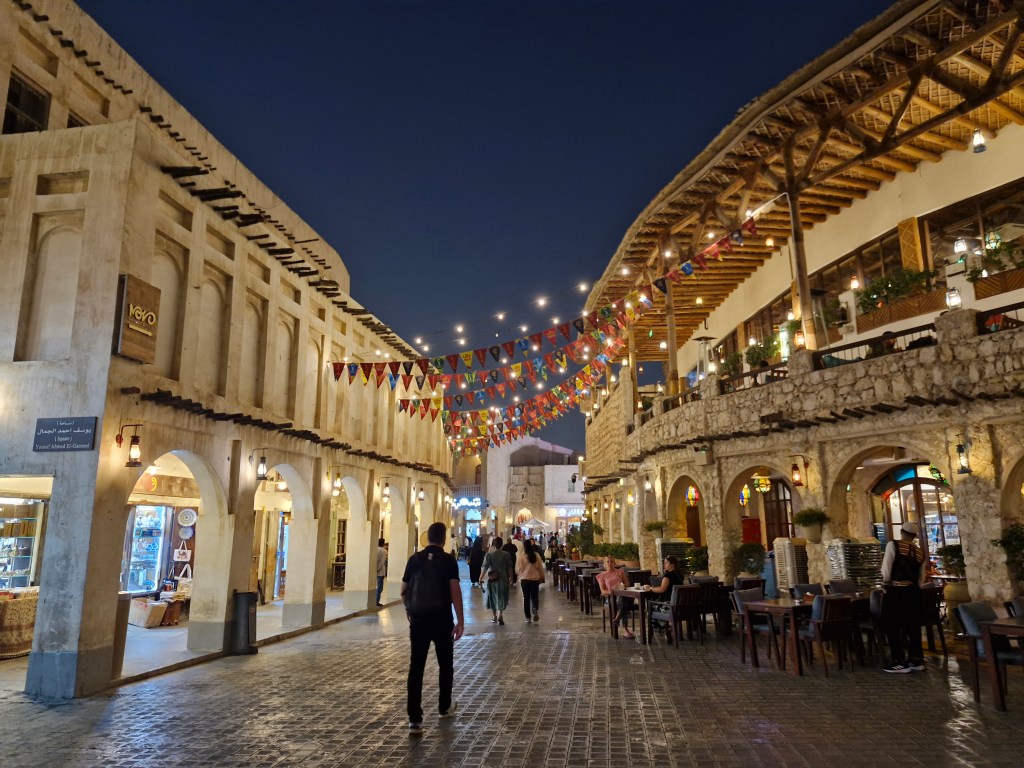
Later in the evening, after the exciting match, I headed to Souq Waqif, one of Doha’s most iconic landmark. Souq Waqif is simply a beautifully restored traditional market that blends Qatari heritage with a lively, modern atmosphere. During the tournament, it became a gathering point for fans from different countries, all coming together to celebrate, party, and of course, eat! The souq is filled with restaurants, cafes, spices, handicrafts, antiques, and local souvenirs. I’ll dive deeper into my food experience there in the food section later on.



Museum of Islamic Art
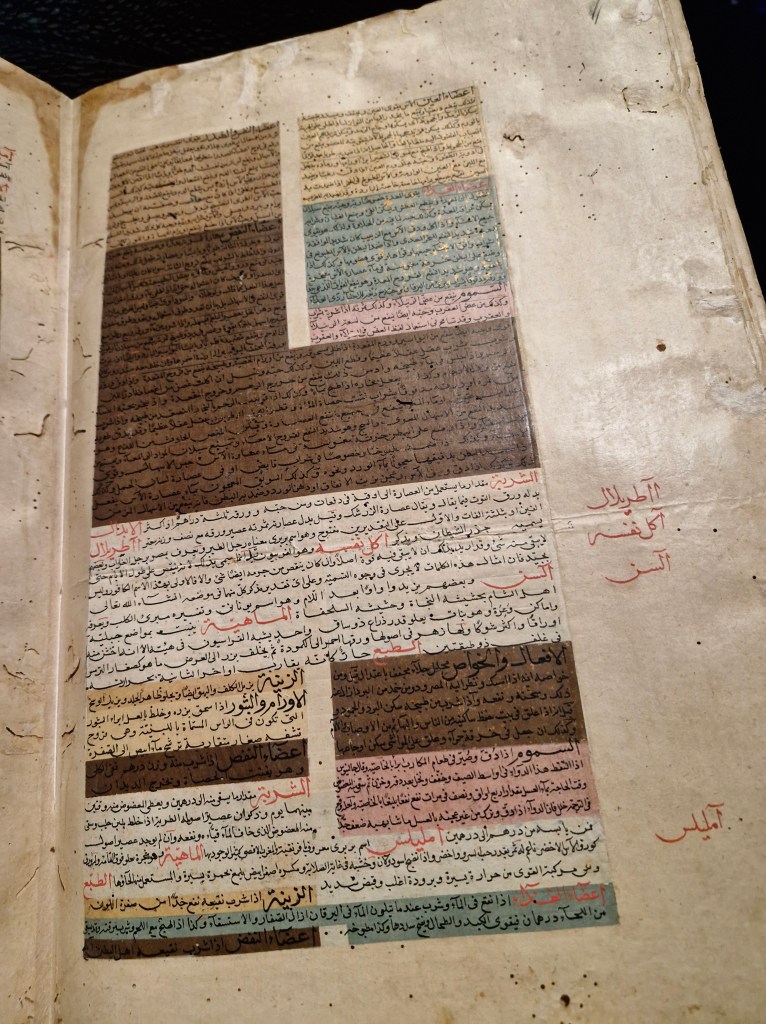
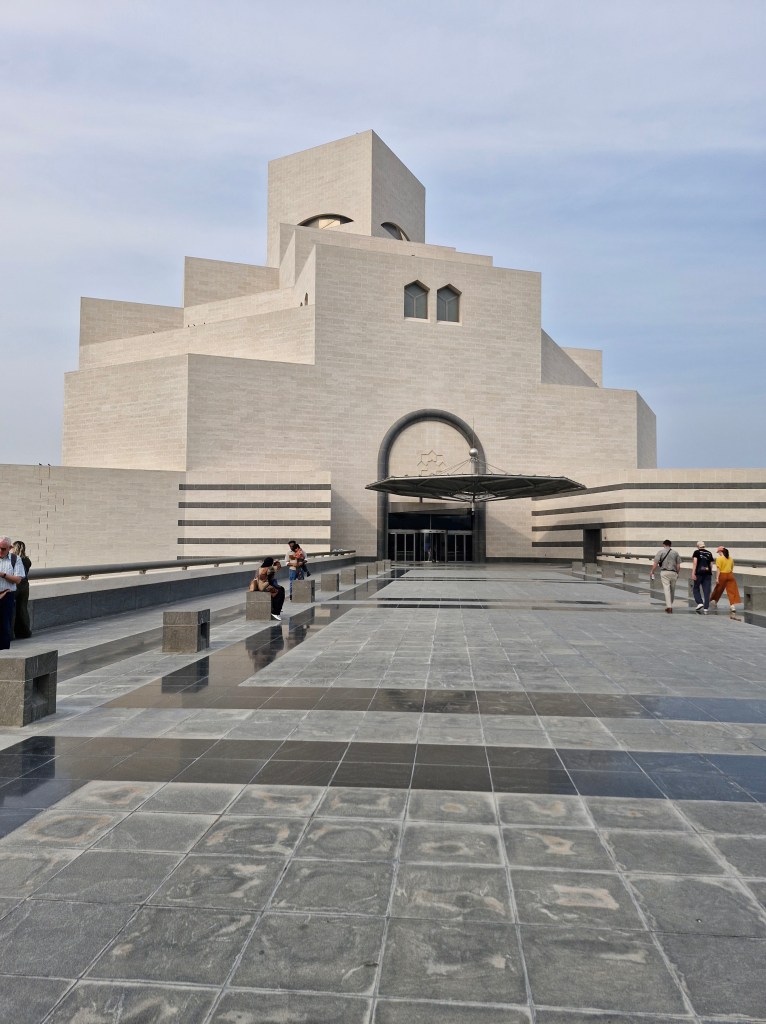
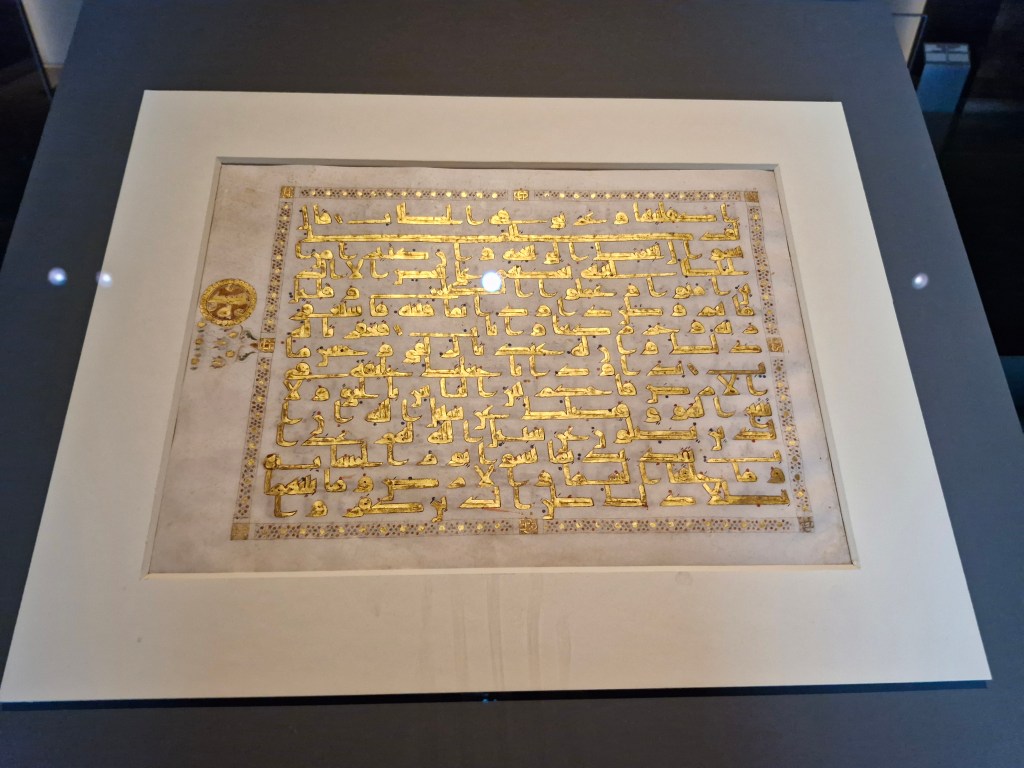
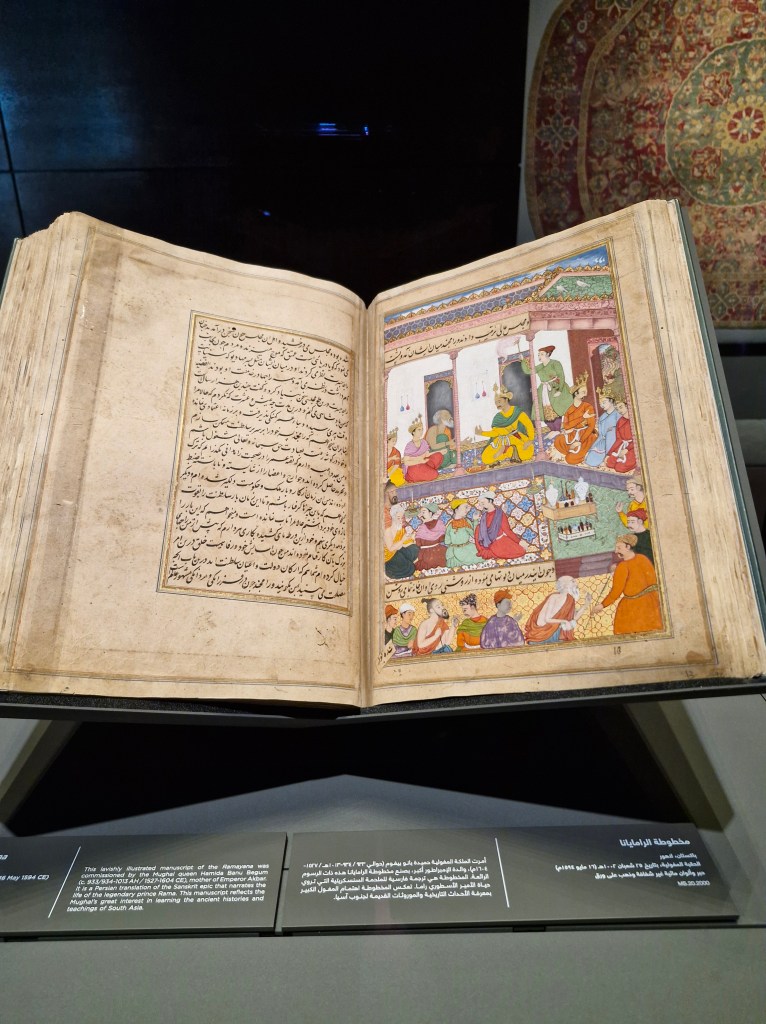
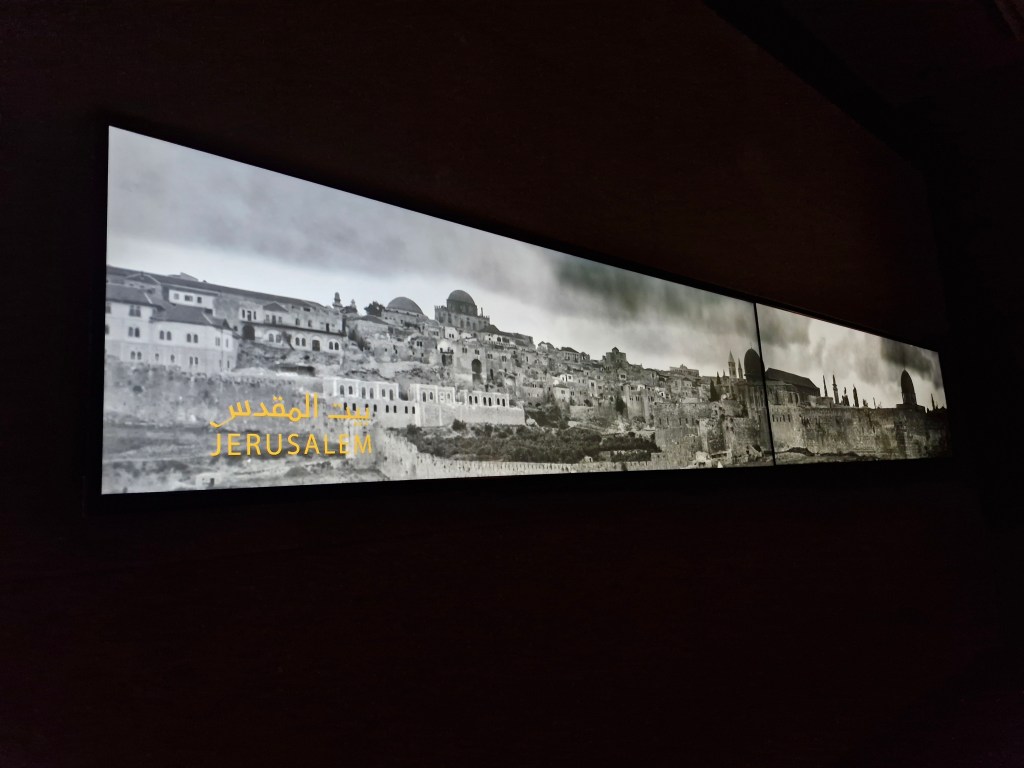
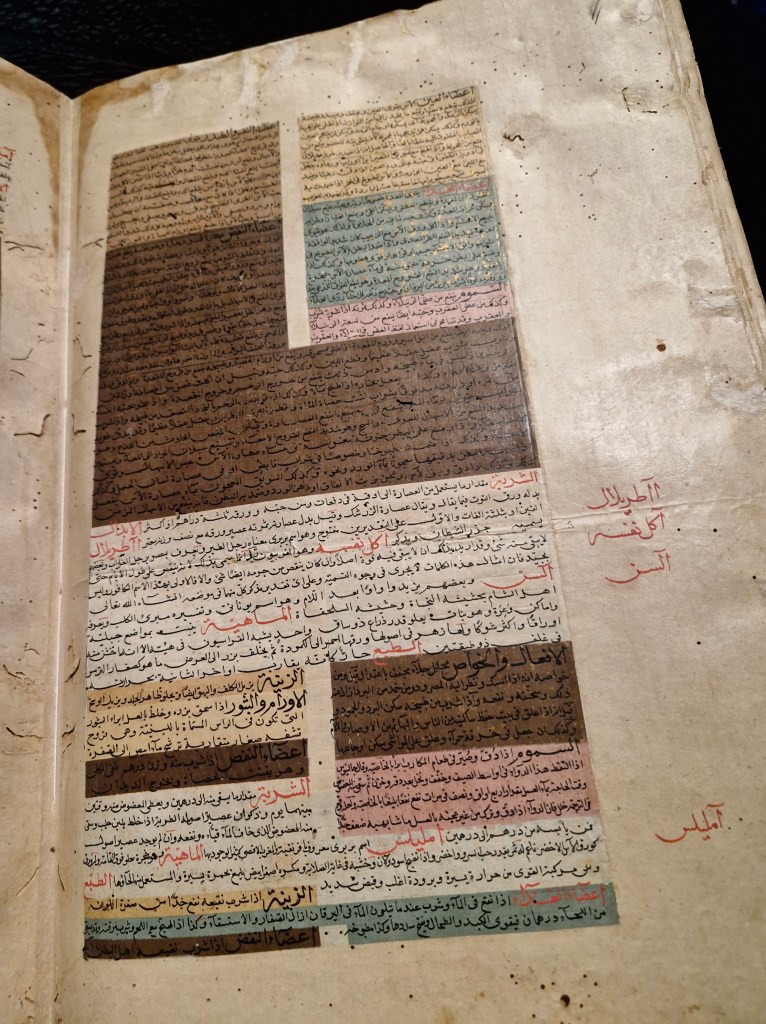
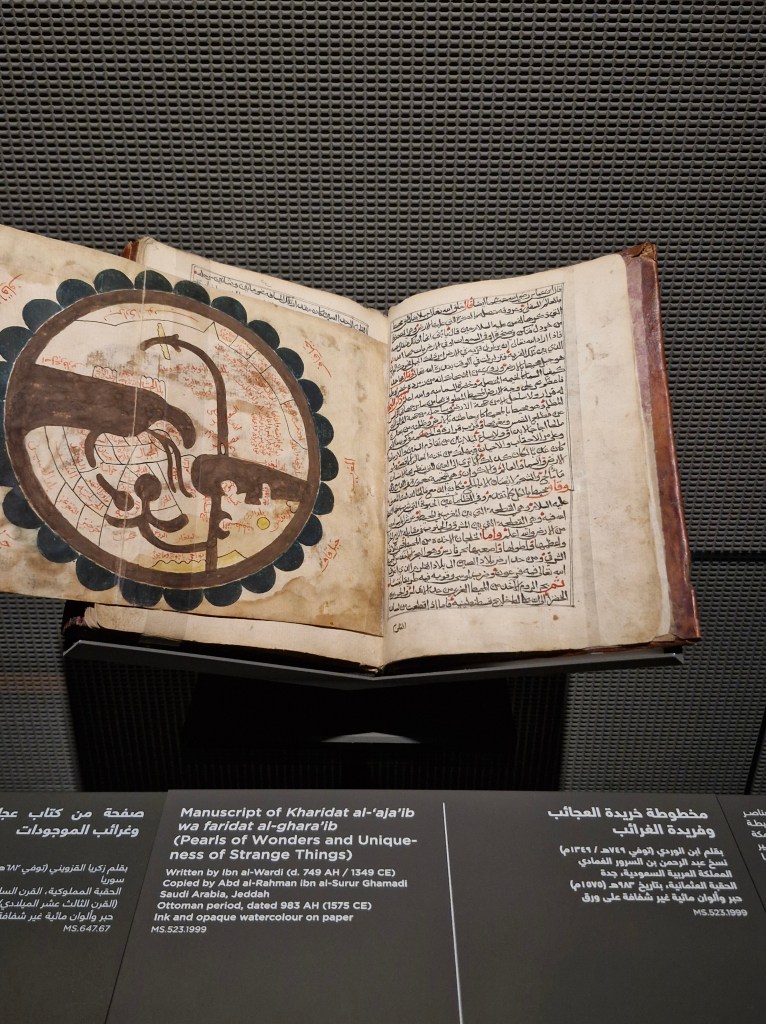
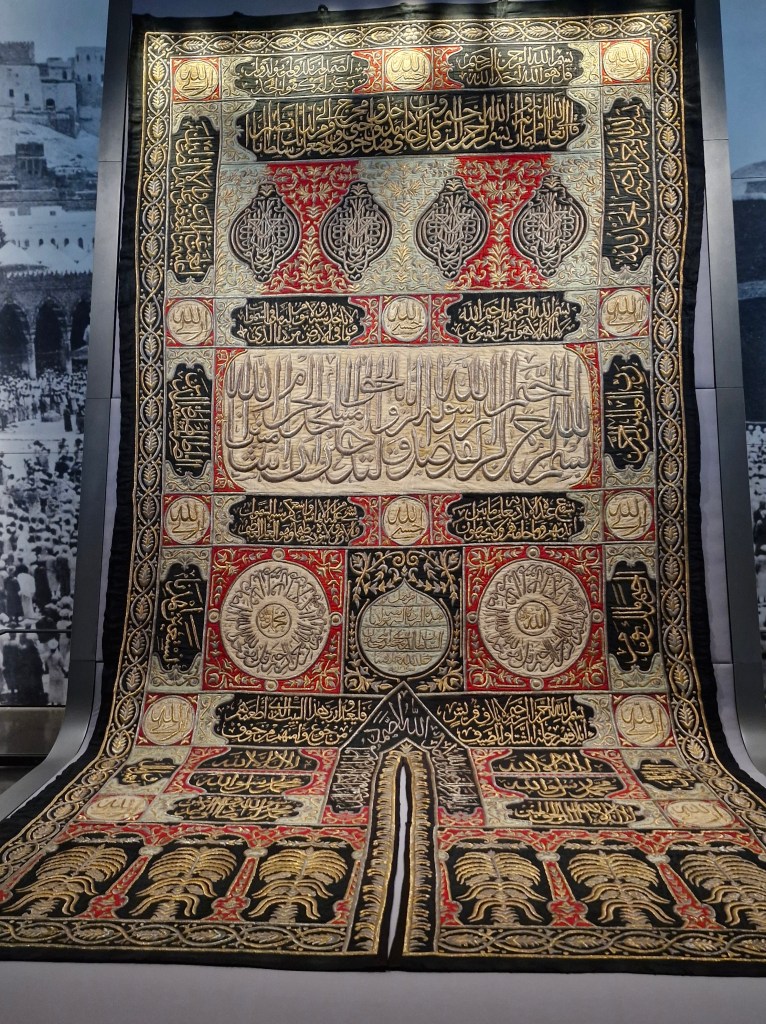
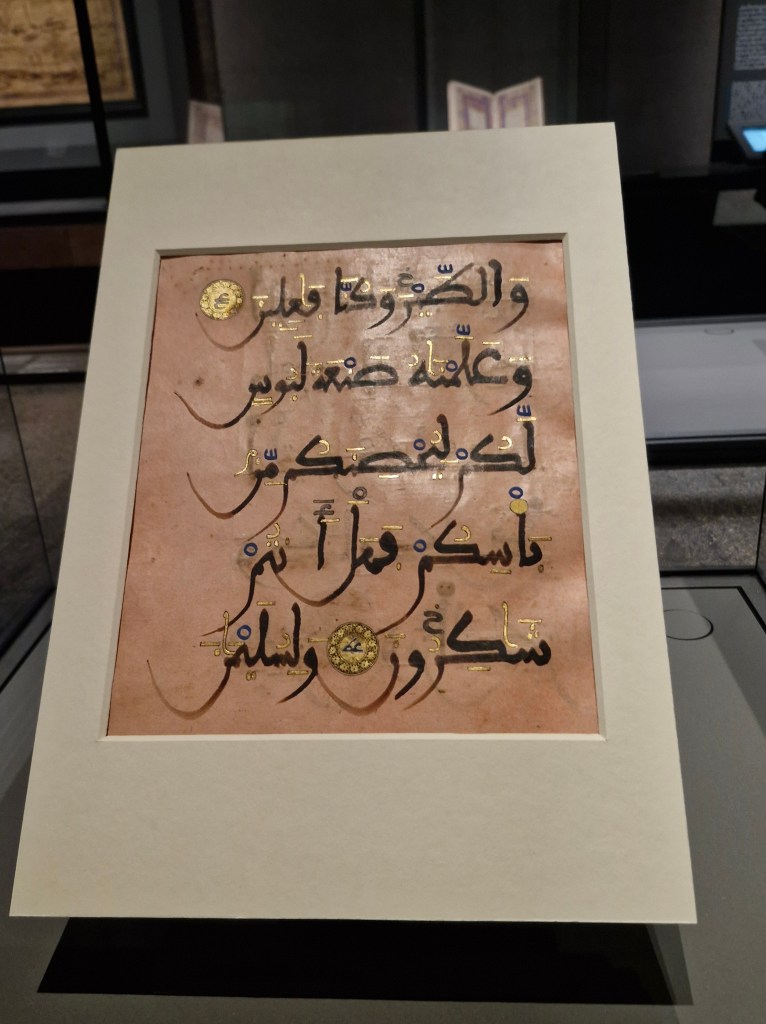
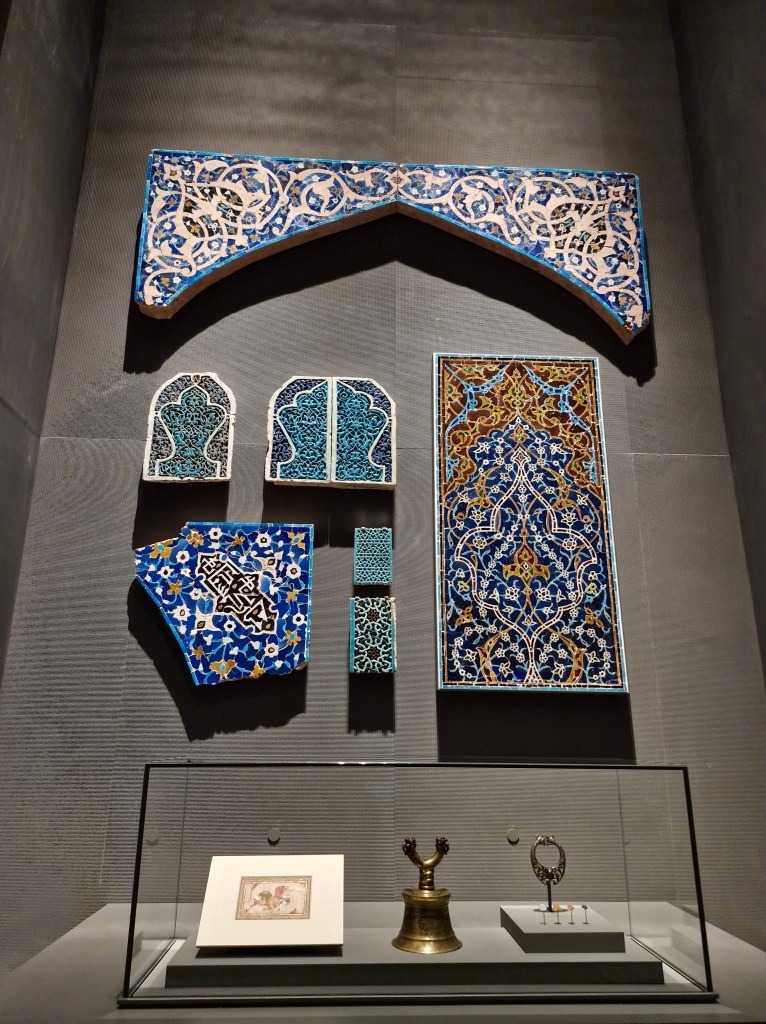
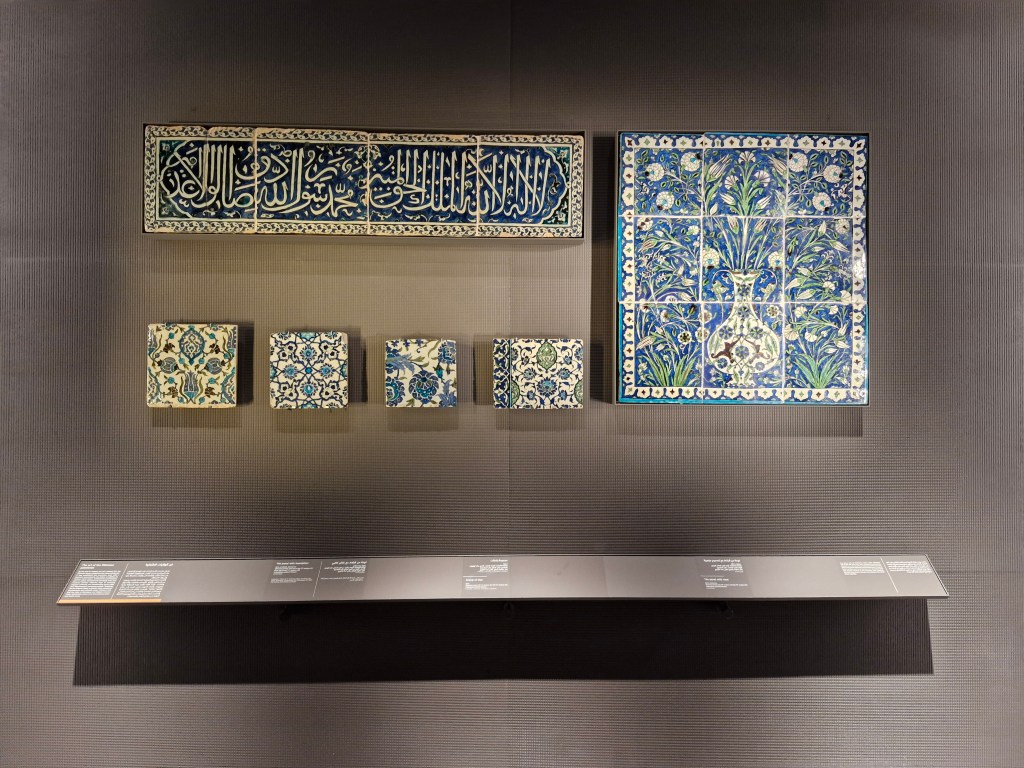
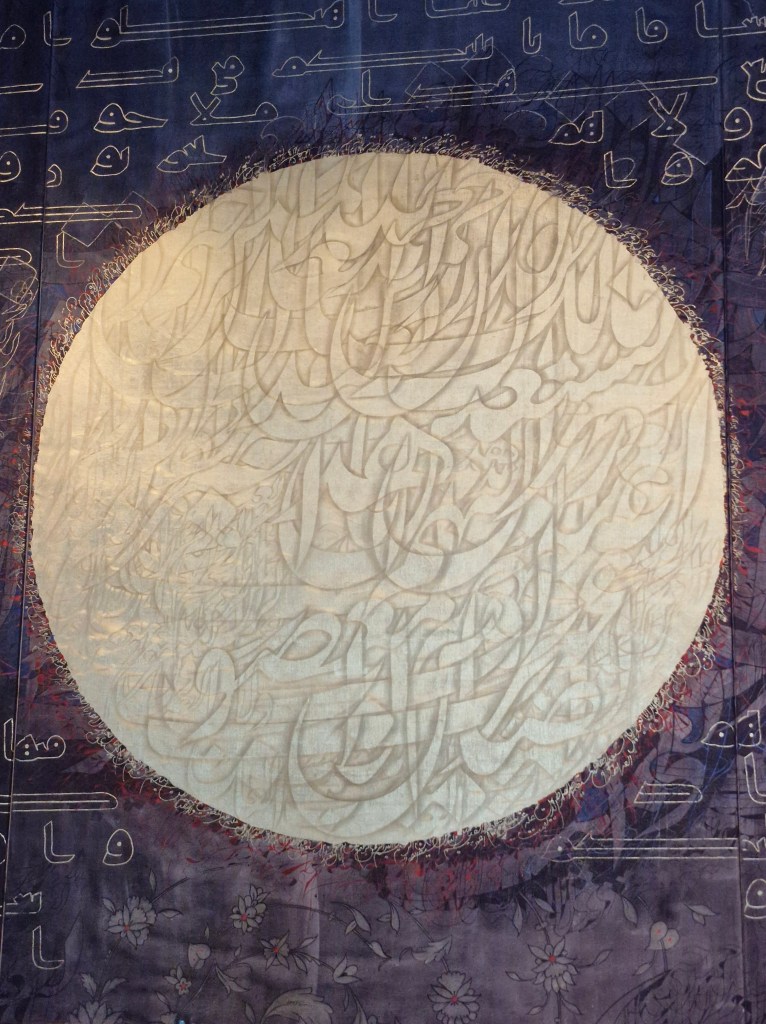
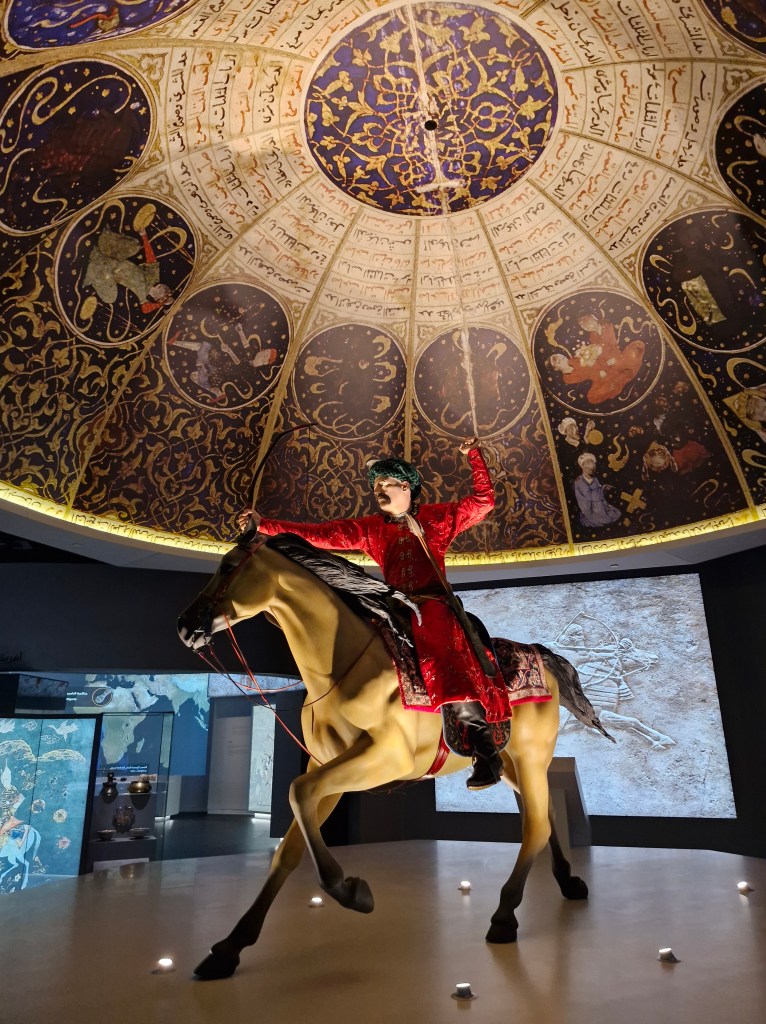
The next morning, I started my day by visiting a museum I had been eagerly looking to visit — The Museum of Islamic Art. I heard and read many great reviews about it, but the experience of being there still exceeded my expectations. I was genuinely thrilled by the richness and diversity of the collection and the stories behind him, featuring stunning pieces from all corners of the ancient Islamic world; from Muslim Spain and the Ottoman Empire to Persia, Central Asia, Egypt, the Levant, Indian subcontinent, and Arabia. I simply found myself mesmerized for hours and very proud for belonging to such a beautiful civilization.
I would visit Qatar again just to experience this museum one more time. I highly recommend it to anyone with an interest in history, and even more so to art lovers. It’s a must-visit place if you’re in Qatar. By the way, I had my lunch in a cafe there inside the museum and will write more about the experience in the food section below.



Walking around in Doha before the next game
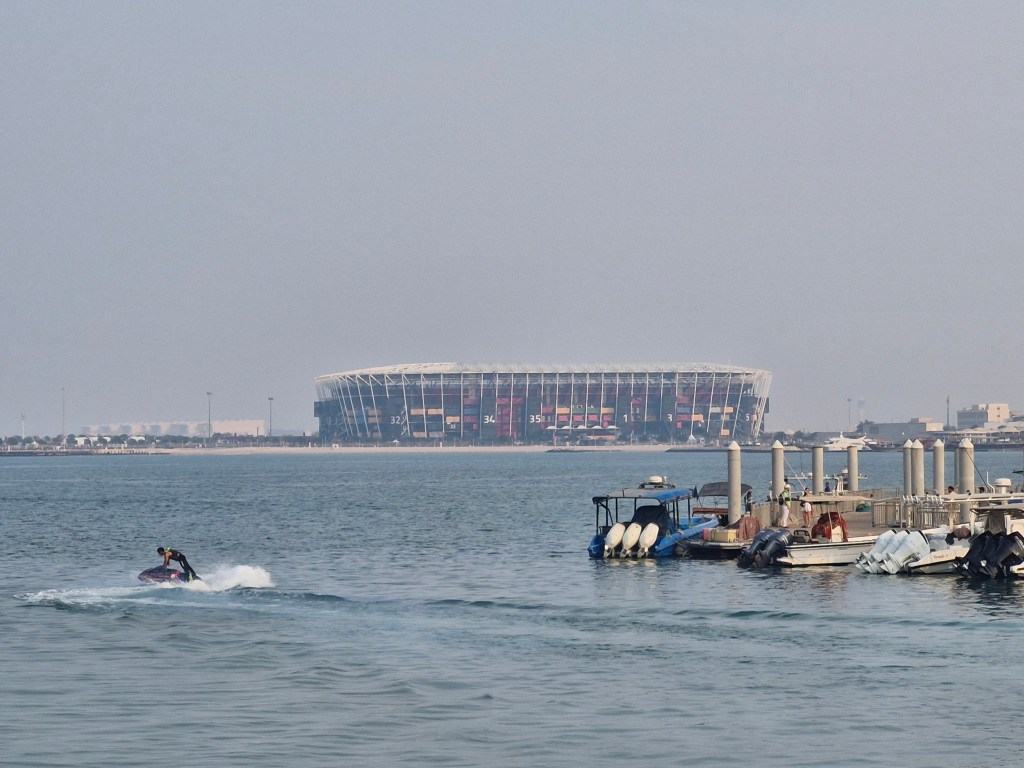
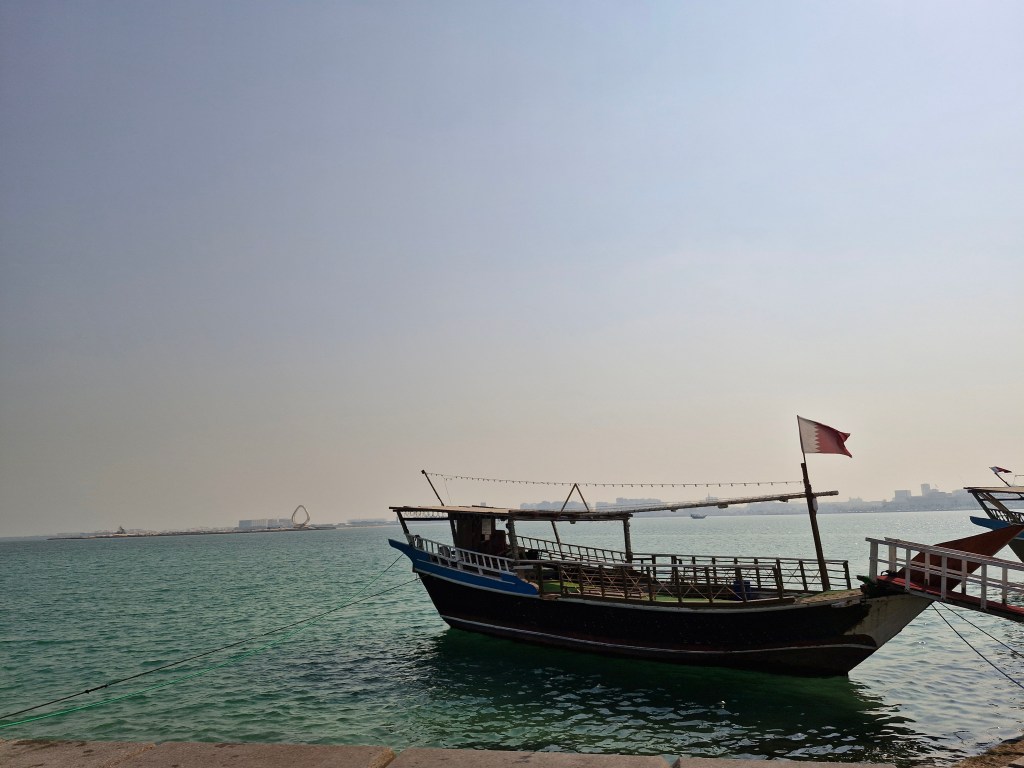
Later the day, I was getting ready to attend another game and this time between Kuwait and Egypt in Lusail Stadium, the same stadium that hosted the 2022 FIFA World Cup Final. Before heading to the stadium, and after finishing my visit to the Museum of Islamic Art, I took some time to walk around the surrounding area. I captured several photos that I believe are worth sharing. I enjoyed the Flags Plaza, especially since I’m a flags nerd. The Doha Old Port is right next to Flags Plaza and it’s worth exploring. It was perfect setting for a relaxed afternoon stroll before another football filled evening.



Egypt 1 Kuwait 1
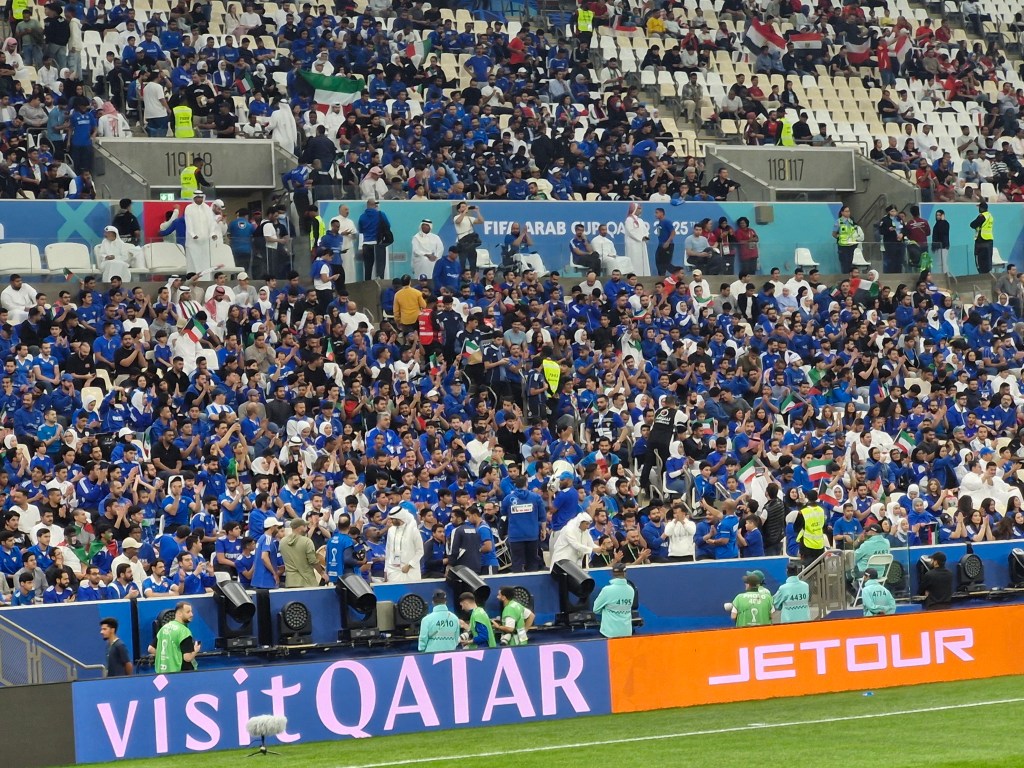
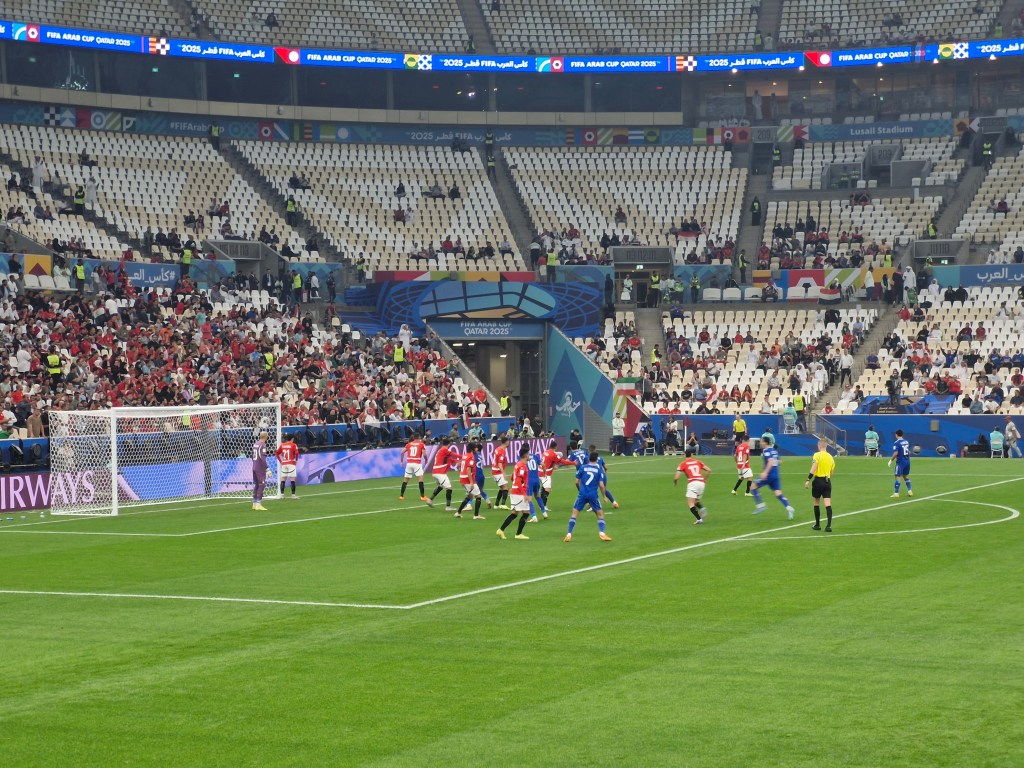
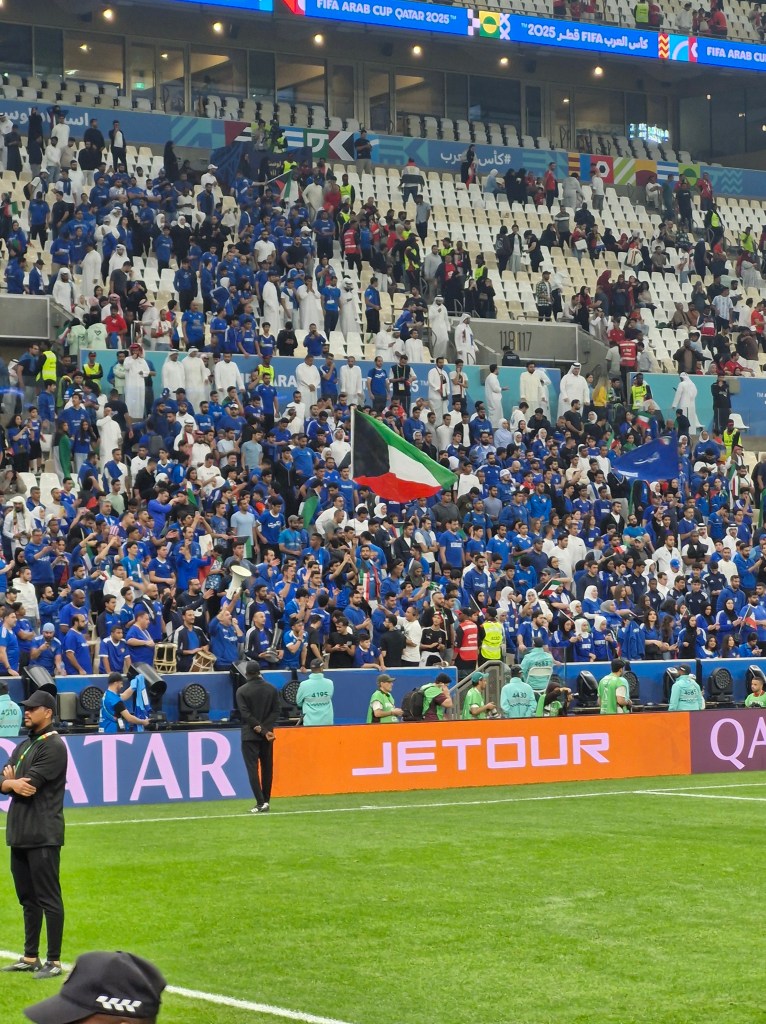
It was time to attend another football match, and this one took place in the largest stadium in Qatar—the iconic Lusail Stadium, which was the venue for the dramatic 2022 FIFA World Cup final between Argentina and France. The game was between Kuwait, the country of my birth, against Egypt. I ended up sitting amongst Egyptian fans, which turned out to be a hilarious experience thanks to their constant jokes and sense of humour.
The stadium itself is truly world-class, and the atmosphere felt cool from start to finish. The match ended in a 1-1 draw.

3-2-1 Qatar Olympic & Sports Museum
On my final day in Doha, before heading to the airport in the evening, I wanted to make the most of my short stay. I’m a big lover of sports —more watching that playing (yes, I’m guilty and I admit it) — and my interest in sport goes far beyond football to include many team and summer and winter Olympic sports.
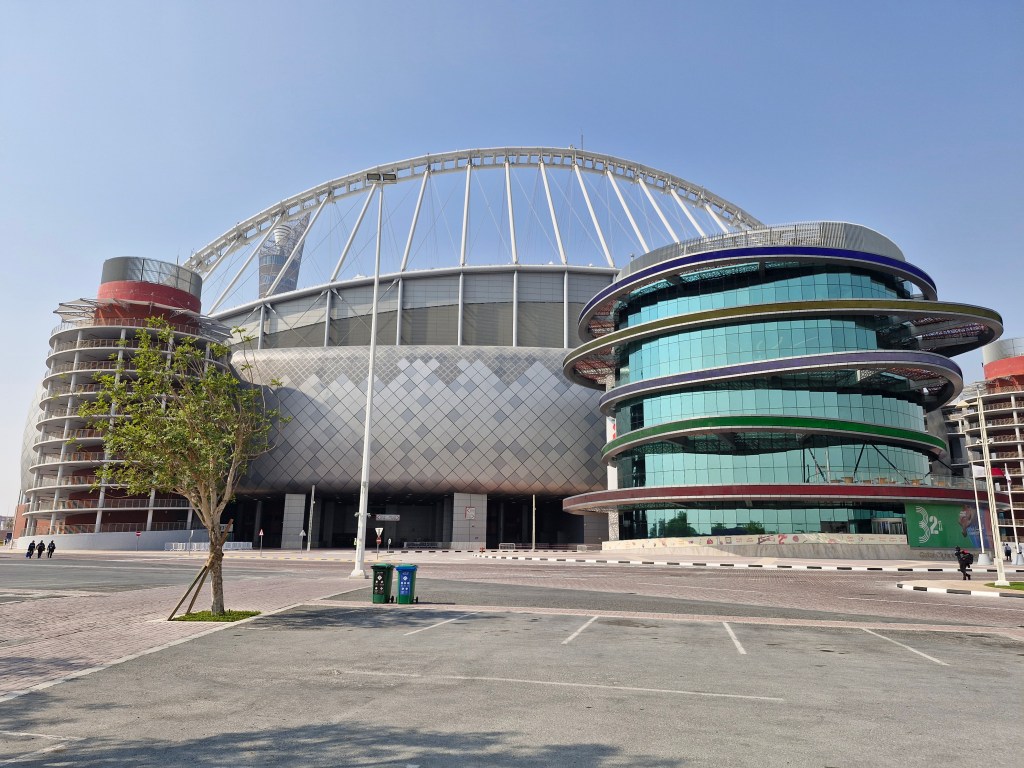
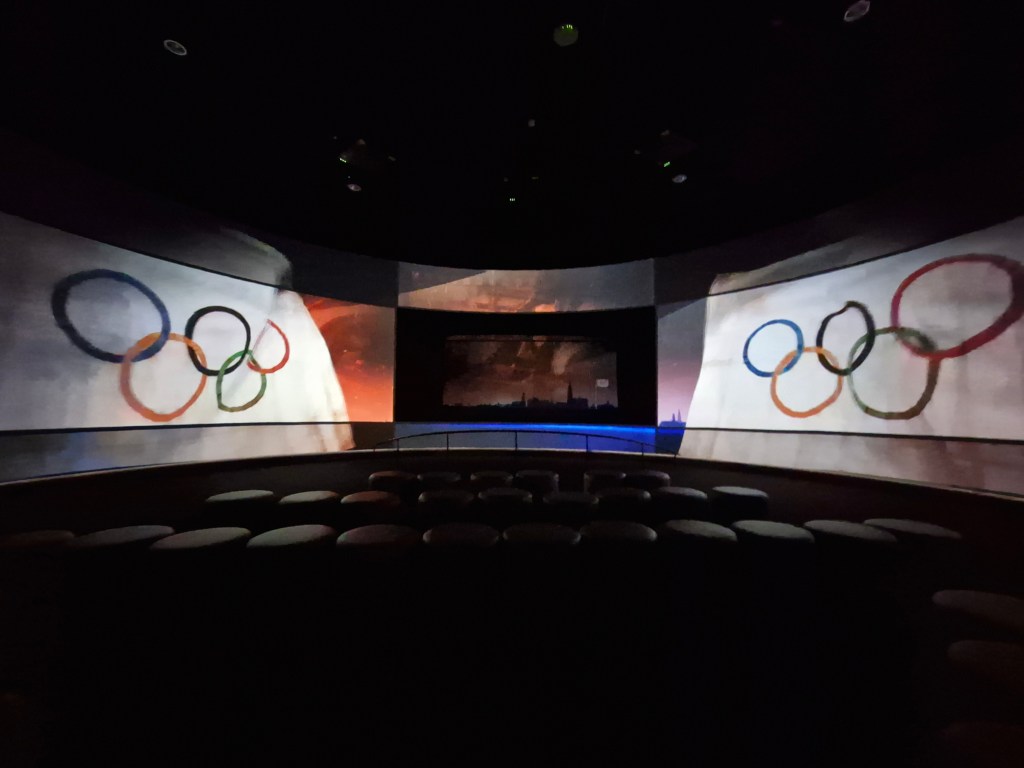
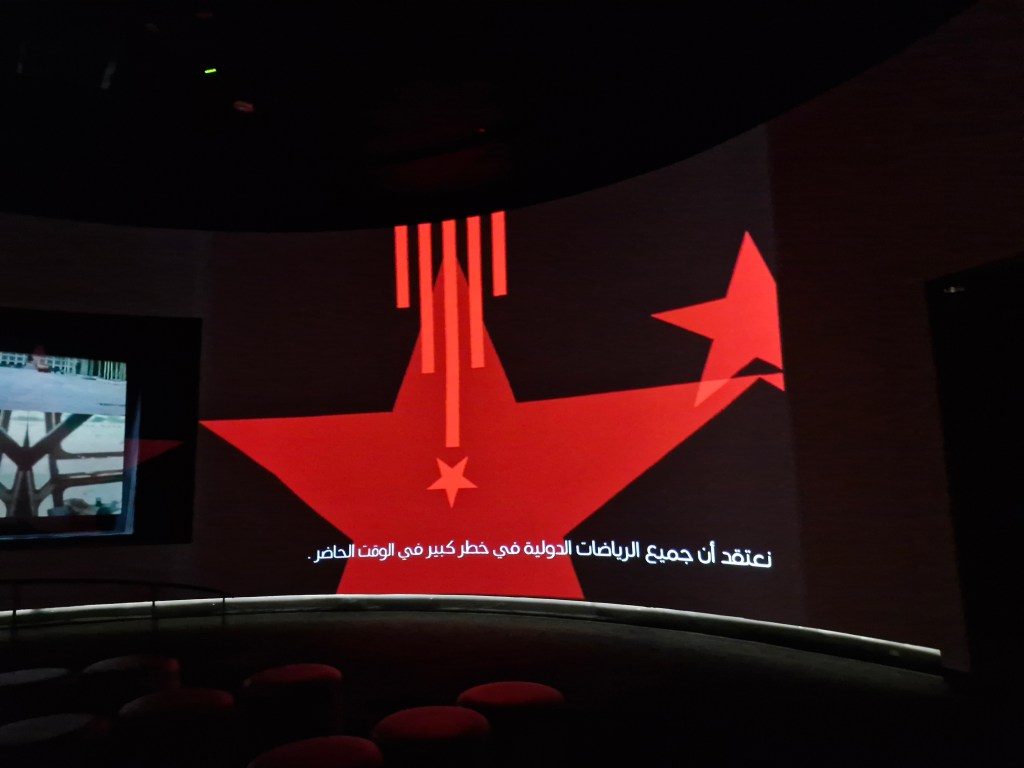
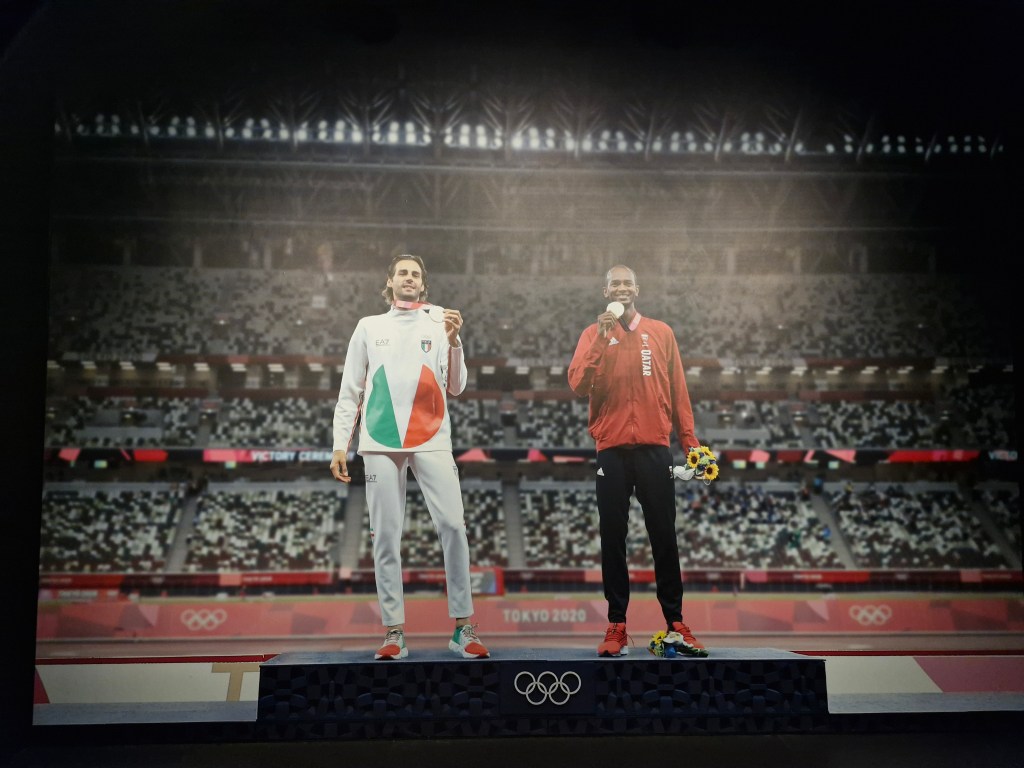
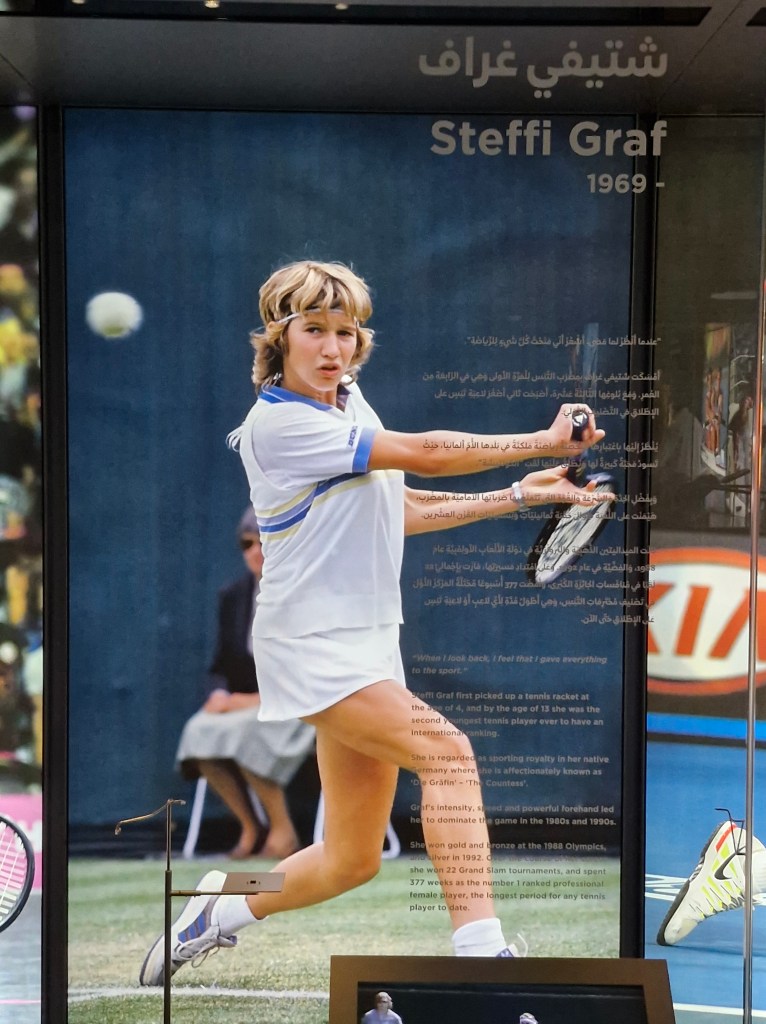
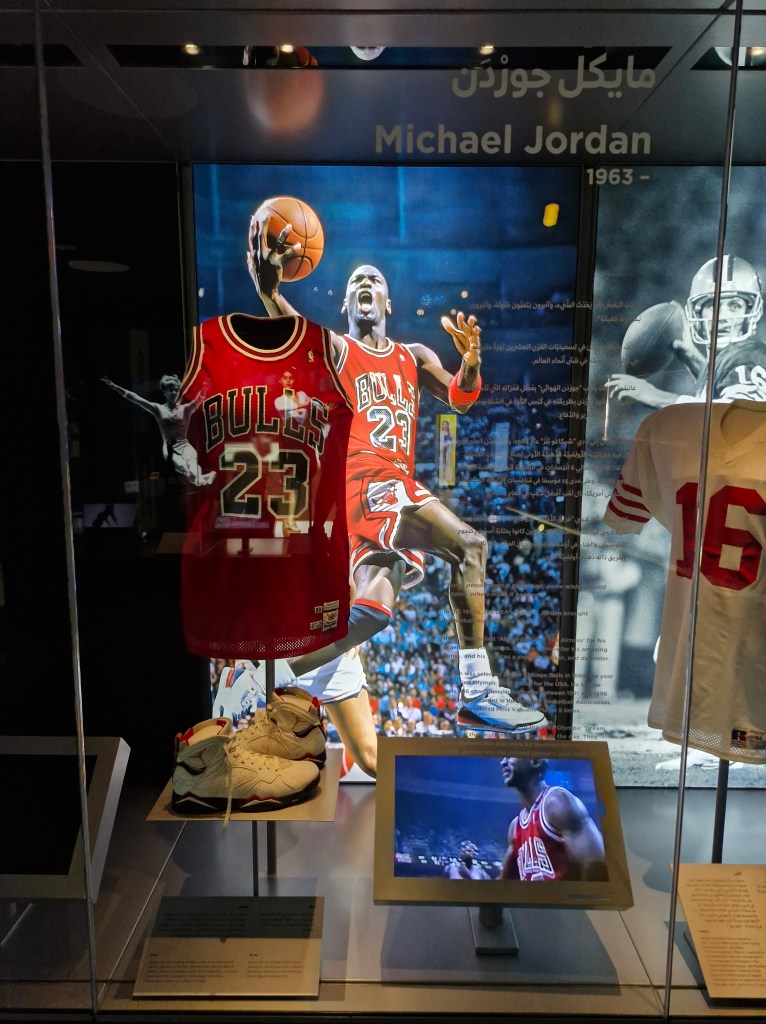
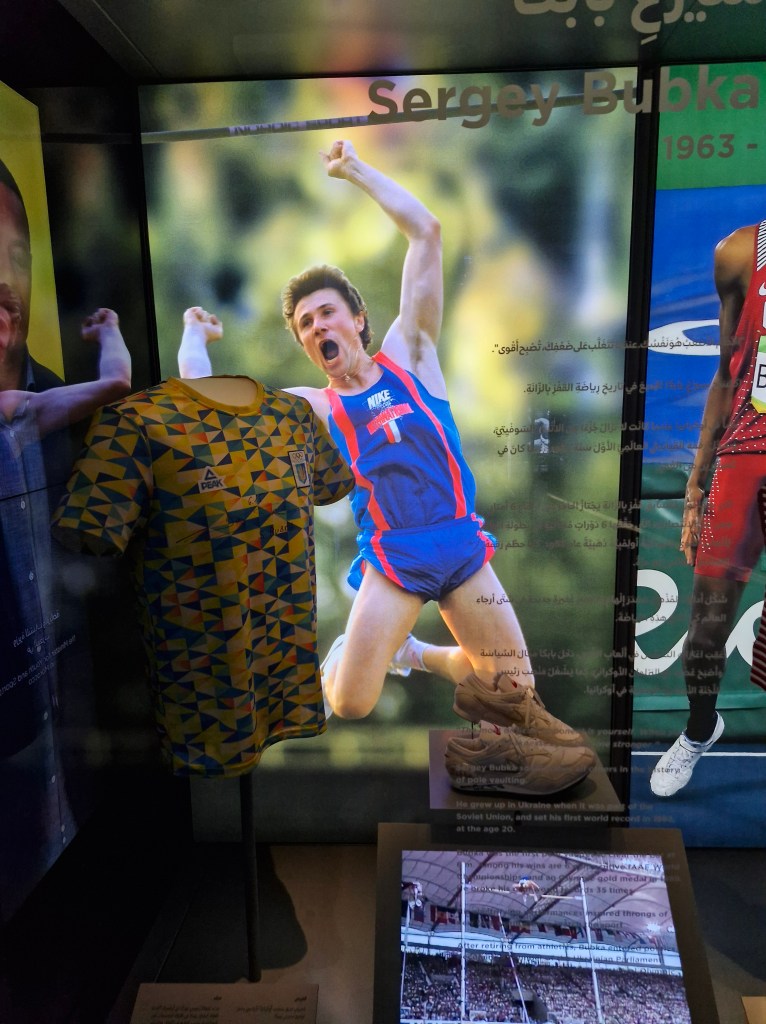
That’s why visiting the 3-2-1 Qatar Olympics & Sports Museum was an absolute must for me. It’s located next to Khalifa Stadium (another World Cup 2022 venue) and Aspire Academy. The museum is simply breathtaking and truly a heaven for sports loves like me.
One of the highlights for me was seeing the Jamaican bobsleigh, famously used by the team that made their historic debut at the 1988 Winter Olympics in Calgary, Canada. It was a moment that became legendary in sports history about how tropical country with no winter sports tradition like Jamaica competed in the Winter Olympics.
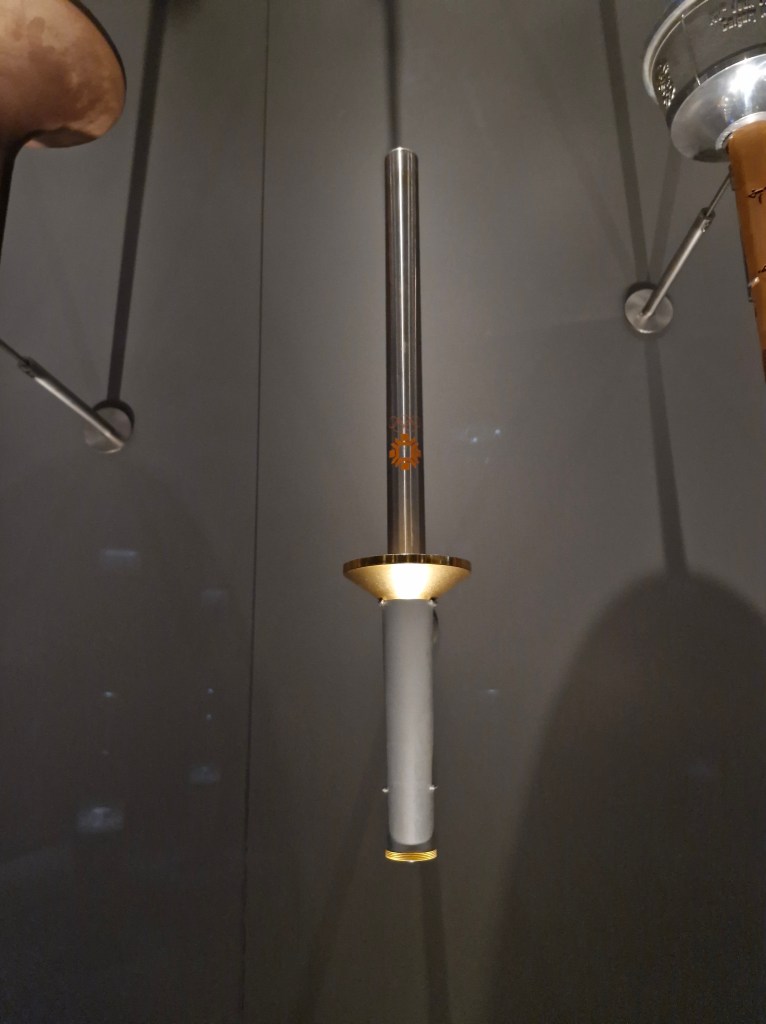
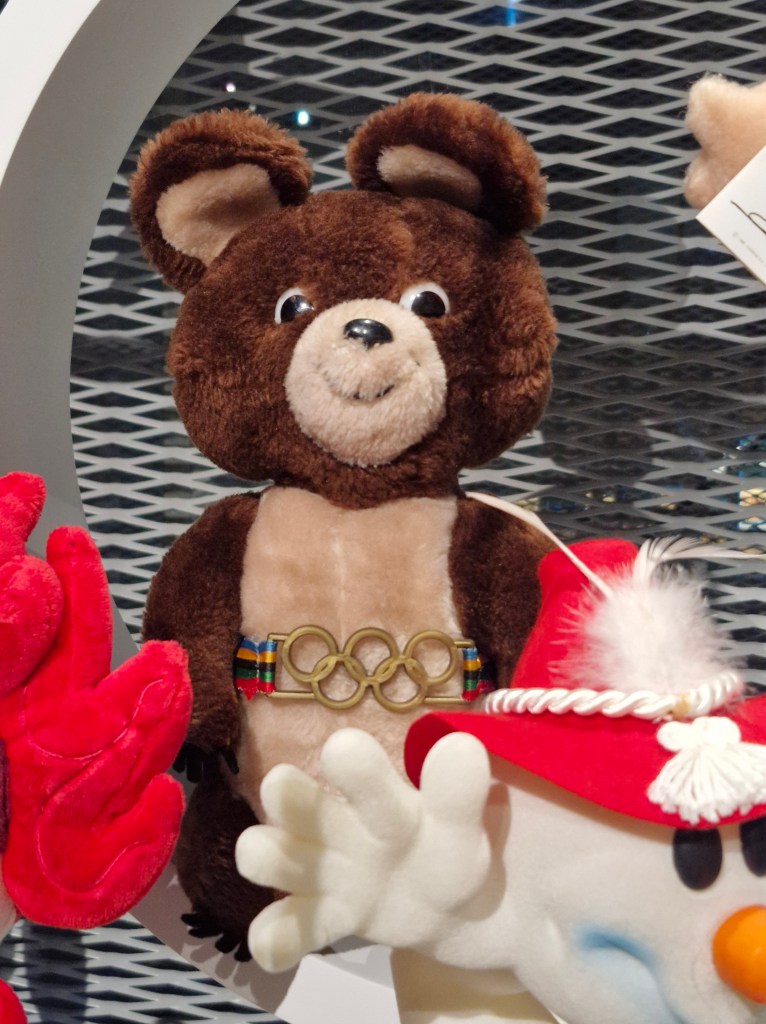
The museum also features a fascinating collection of Olympic torches, Olympic mascots, and iconic memorabilia from across different Olympics. I was so happy to see Misha the bear, the mascot of the 1980 Moscow Summer Olympics, a nostalgic and emotional moment for someone with a deep appreciation for Soviet history. Spending time in this museum felt joyful and deeply satisfying.





National Museum of Qatar
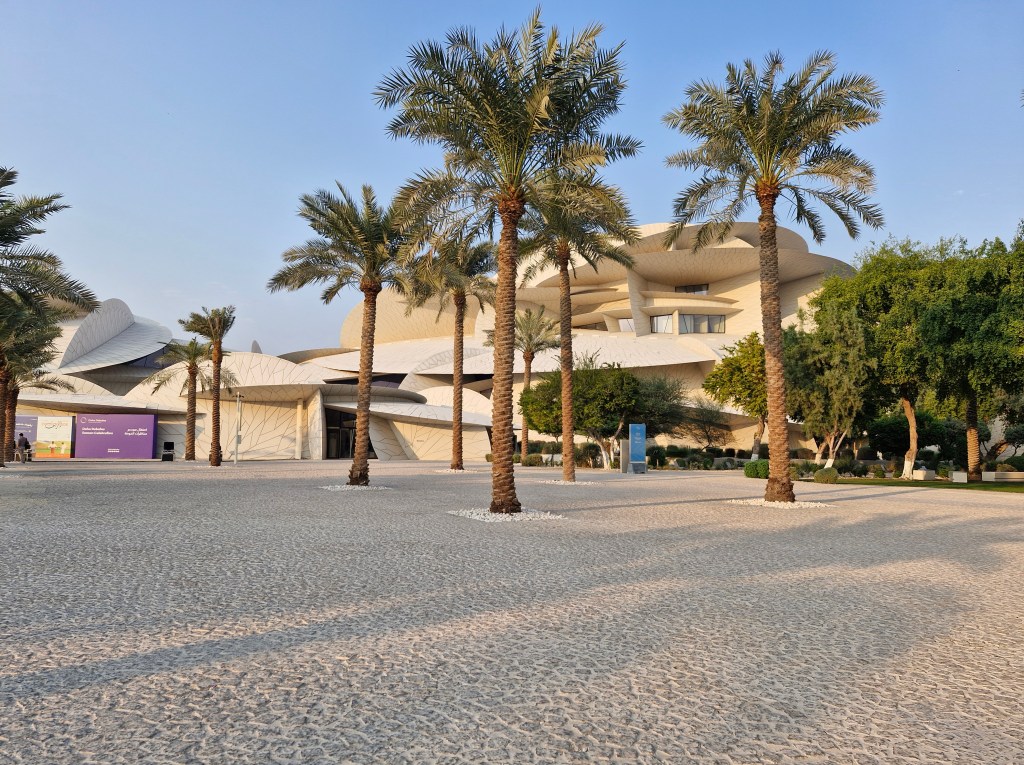
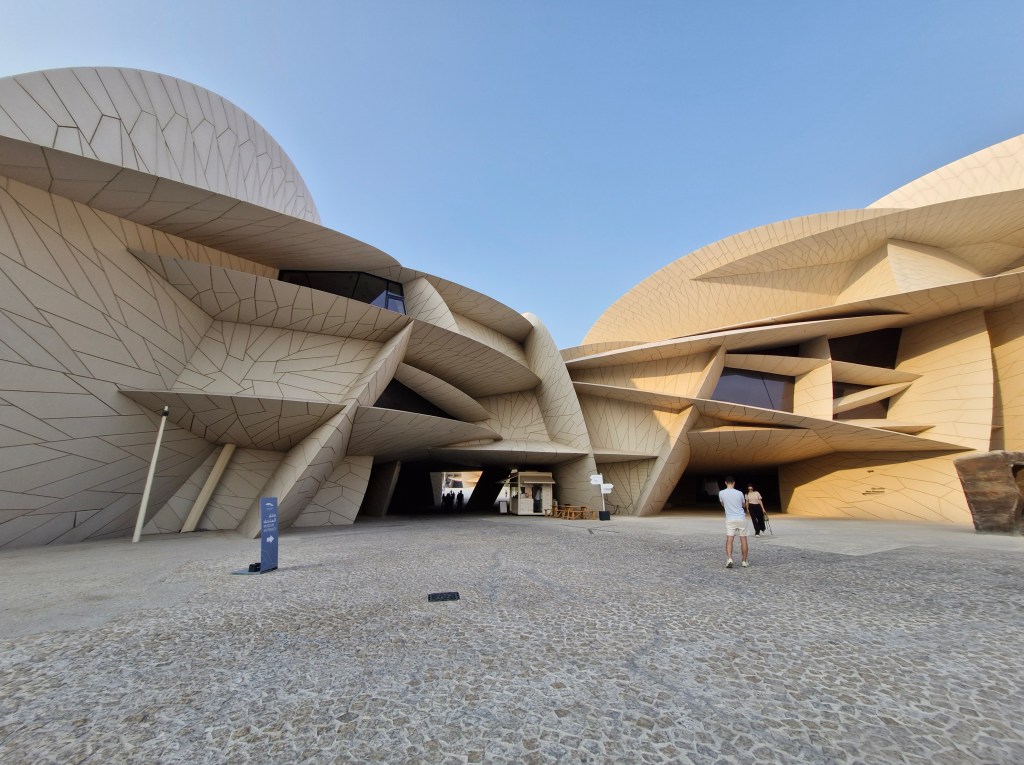
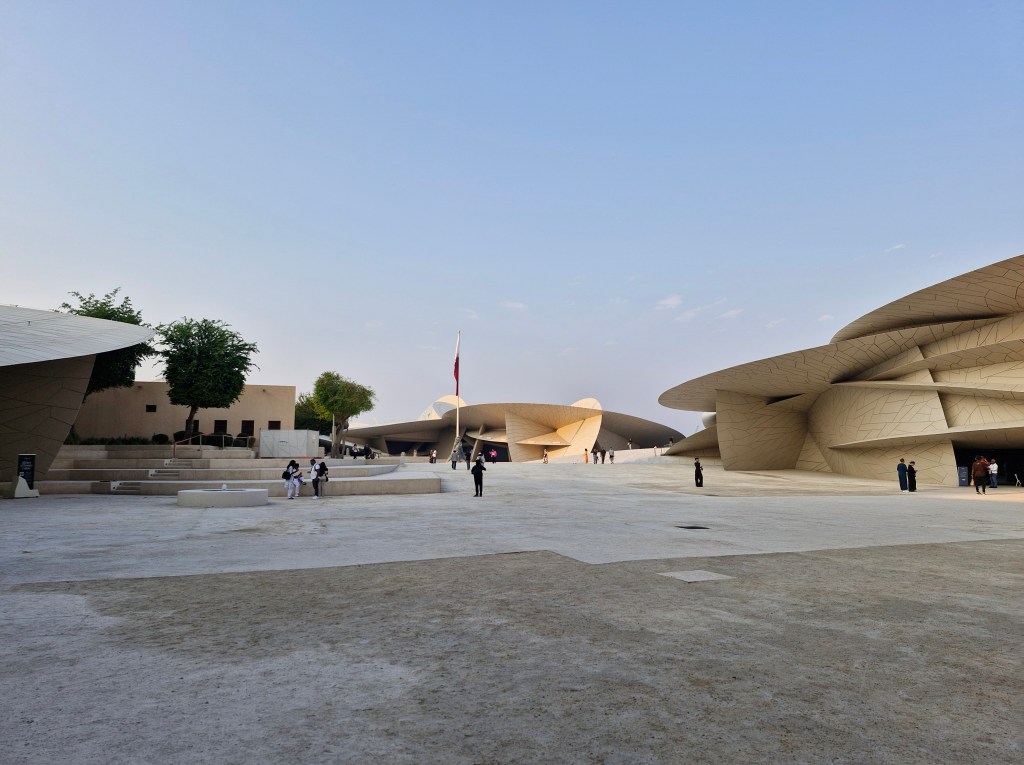
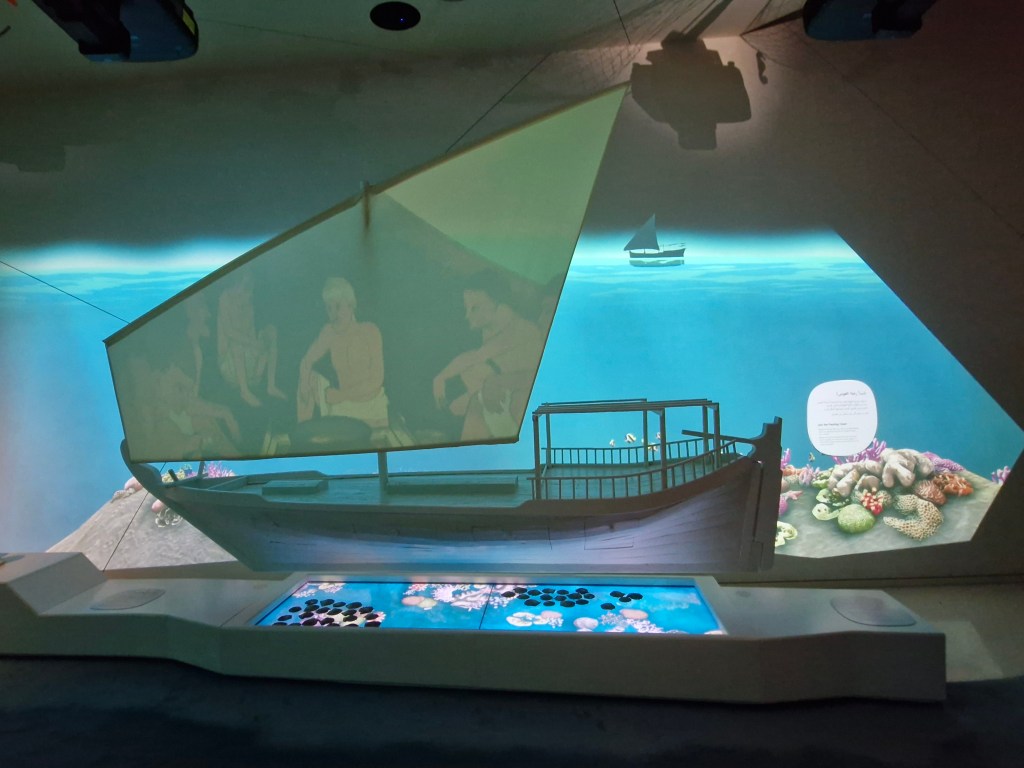
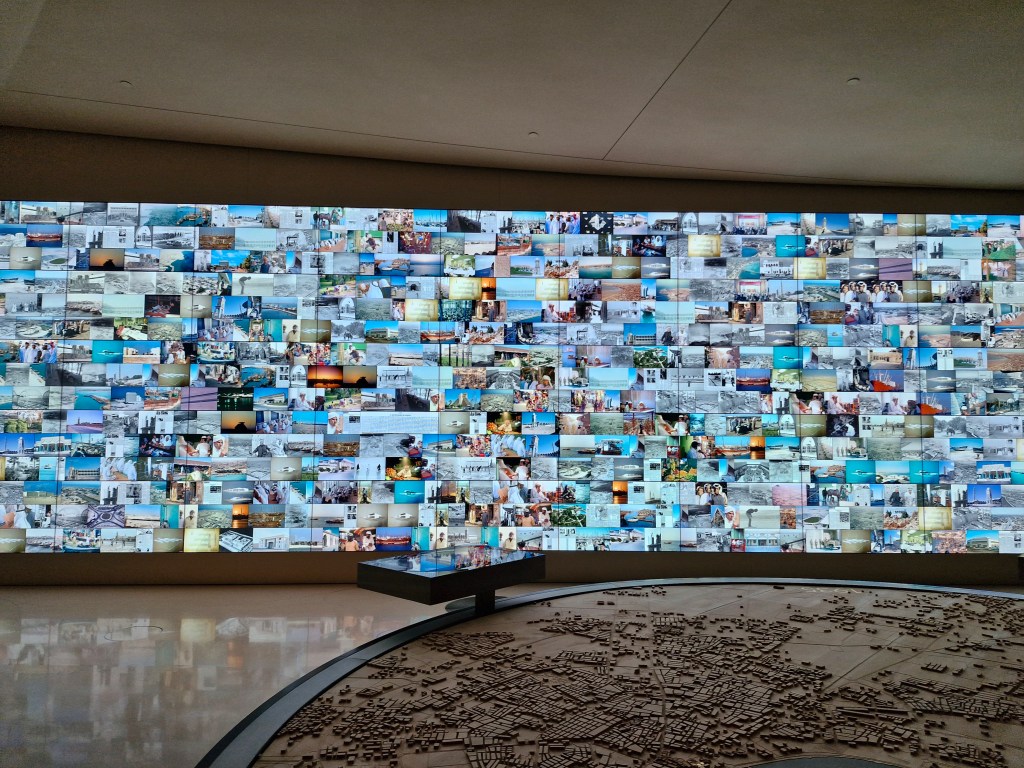
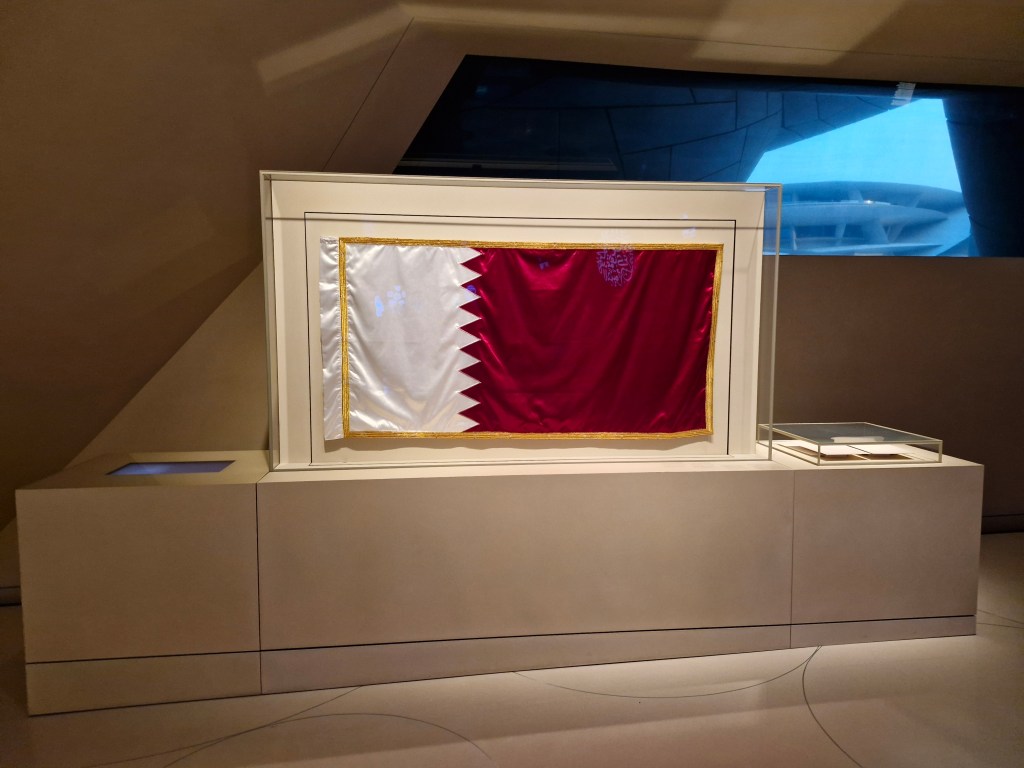
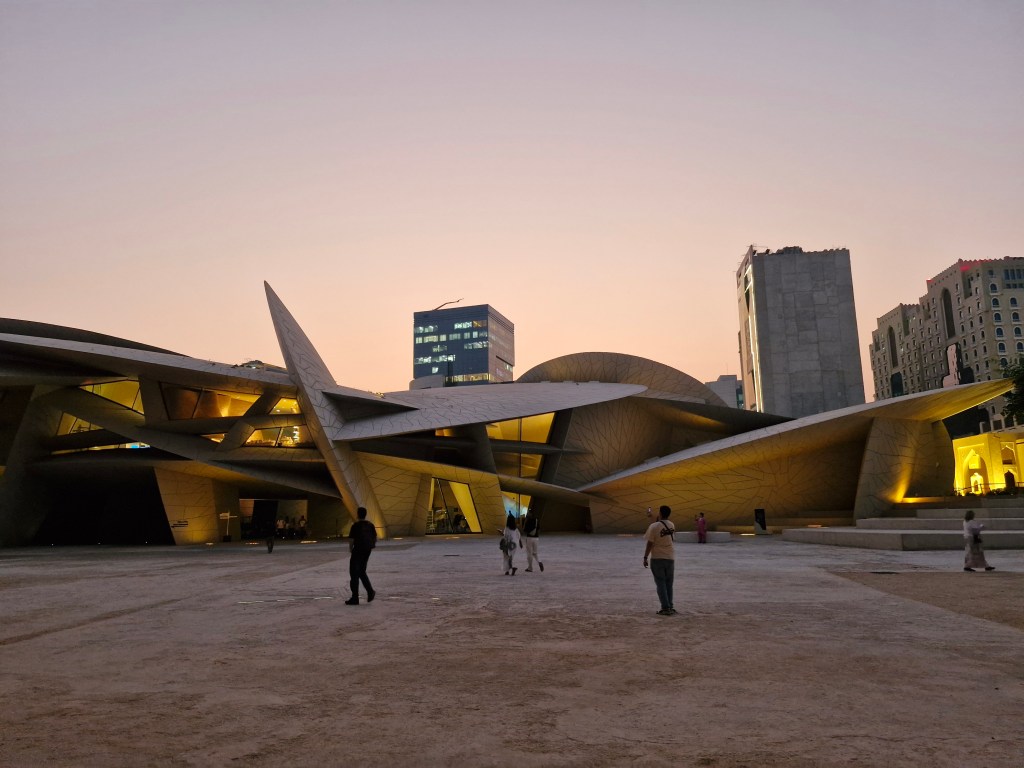
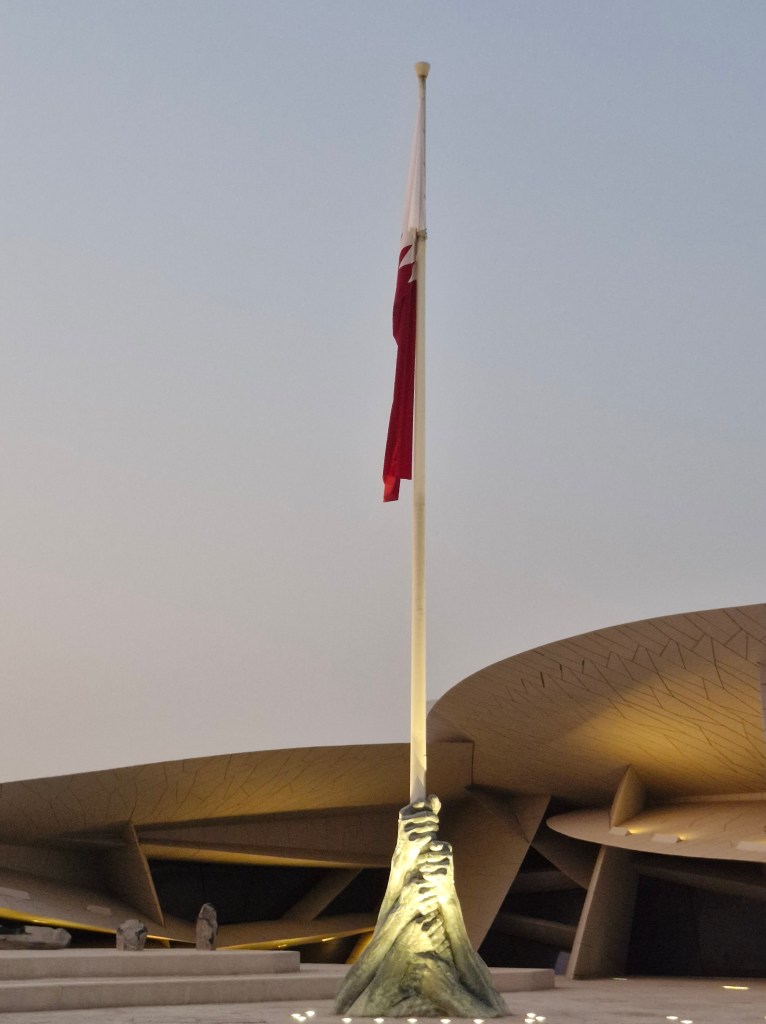
My last planned stop before heading to the airport was the National Museum of Qatar (although I later remembered that I had to make one more quick stop at Souq Waqif to meet another friend before leaving). I had around an hour and a half to spend at the museum, and by a wonderful coincidence, a close friend of mine who I’ve known for over seven years was transiting through Doha at the same time. It turned into a perfect opportunity to meet, walk around the museum together, and even share a meal, and this is exactly what we did 🙂
To be completely honest, I was so engaged in conversation that I didn’t manage to explore every section of the museum or take many photos. Still, even from what I saw, the museum left a strong impression. Its architecture alone is breathtaking; an artistic masterpiece inspired by the desert rose. It’s definitely a place I would love to return to, this time with more time to fully explore it. We ended our visit with a delicious meal, which turned out to be one of the best I had in Qatar (too bad I didn’t take any photo of the food), before saying our goodbyes and heading our separate ways.

Food
Let’s put it this way: my food experiences in Qatar were mixed, and overall, I expected better. On the first day, I had dinner at a Lebanese restaurant in Souq Waqif, which unfortunately was below average. It felt overpriced for the quality and, to be honest, not particularly memorable.
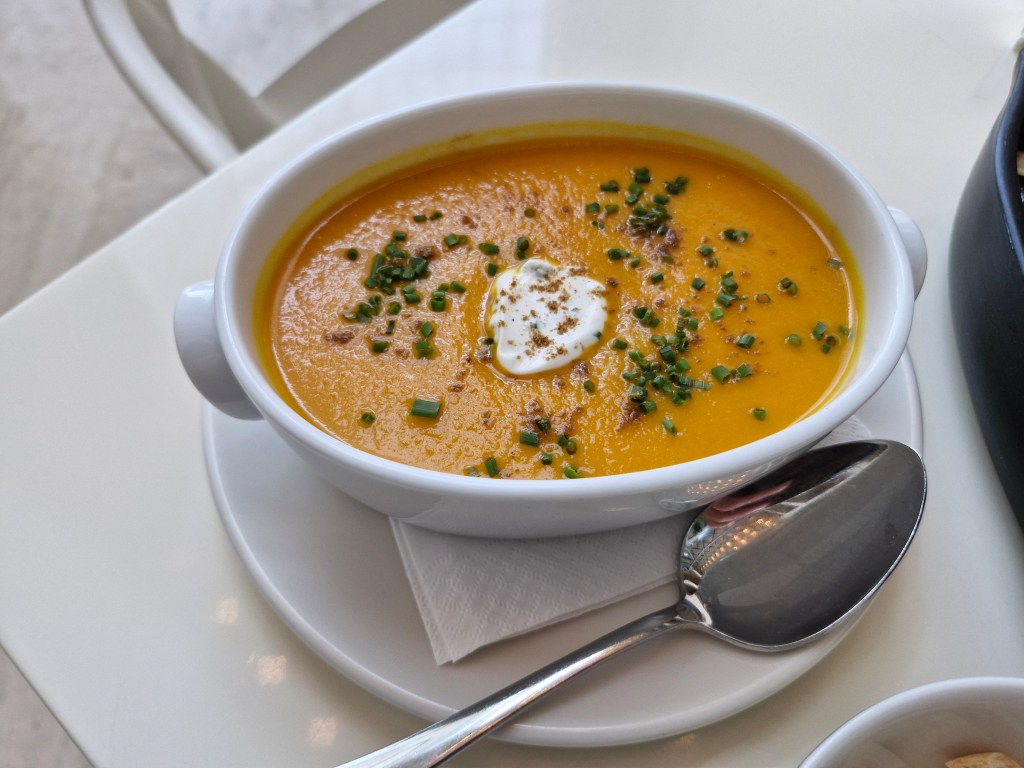
The next day, I had lunch at the MIA Café inside the Museum of Islamic Art. It started well with a carrot cream soup. However, the main dish, pasta with meatballs, was a major disappointment. It lacked flavor, very dry, and felt significantly overpriced for what was served.
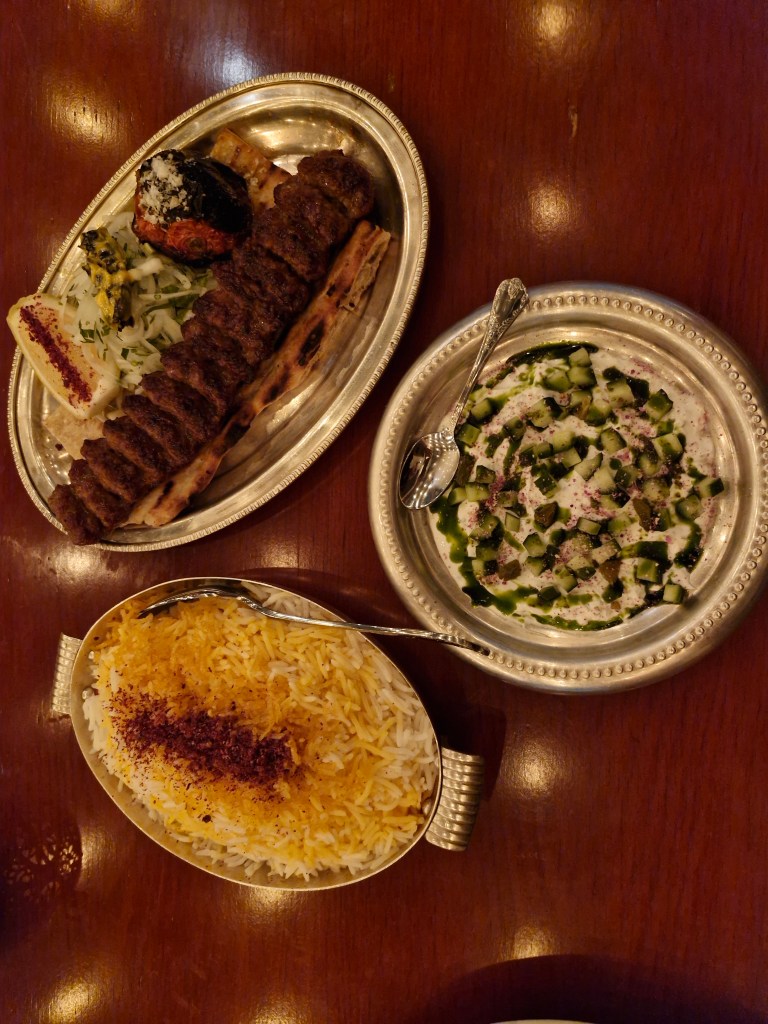
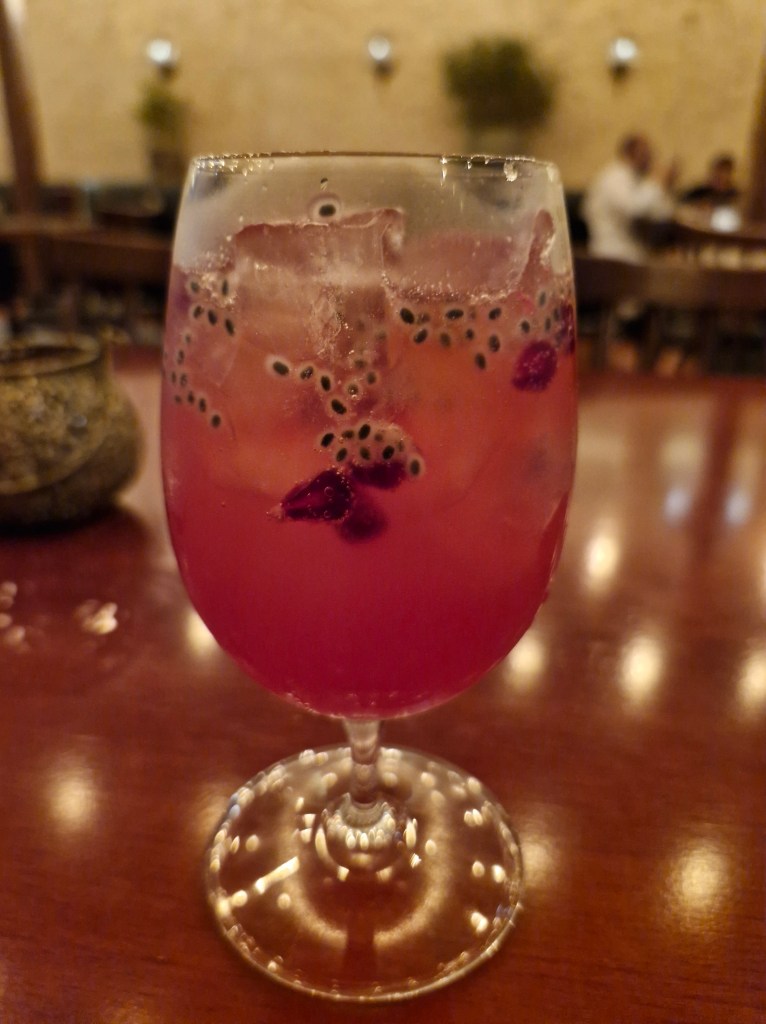
Things improved slightly in the evening when I visited a Persian restaurant in Souq Waqif called Berenjak. I ordered an Iranian kobideh kebab, which interestingly was served without rice, so I had to order saffron rice separately, along with mast-o-khiar (yogurt with cucumber) and a delicious pomegranate-based drink. The food was very good, though not outstanding, and still a bit on the expensive side.
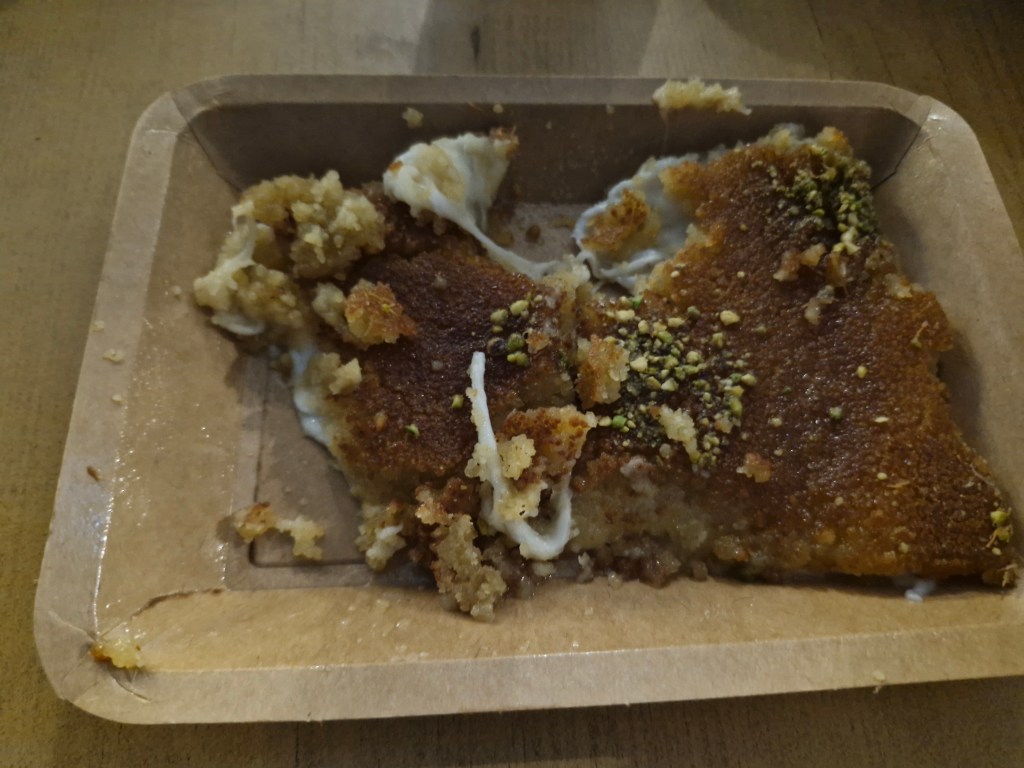
On my final day, the meal at the café inside the National Museum of Qatar was delicious and one of the best I had during the trip. I also ended my visit on a sweet note with Nabulsi Knafeh (originally created in the city of Nablus, Palestine were my both parents were born) in Souq Waqif where I met with my other friend, the Knafeh was authentic, perfectly made, and exactly how authentic Nabusli Knafeh should be.


Summary
What a long blog, right? I didn’t expect to write this much about such a tiny country, but as I mentioned at the beginning, Qatar may be small in size yet remarkably big on the world stage. Qatar is an incredibly modern, clean, safe, and fascinating country. What I appreciated most is how it manages to preserve its culture and traditions despite its modernity. You see cutting-edge architecture and world-class infrastructure, yet the country remains deeply rooted in its identity—traditional at its core, while also tolerant and welcoming
There are many reasons to visit Qatar, especially during the winter months when the weather is nice and pleasant. Visiting Qatar in summer, on the other hand, can feel like a totally opposite experience. The extreme hot climate makes it difficult to fully enjoy the experience. During my visit, I was fortunate to enjoy excellent weather, which made walking around and exploring the city truly enjoyable.
I genuinely encourage people to visit Qatar, whether during a long layover, for a major sporting tournament, or for global events like Formula 1. It’s a country worth stopping for, exploring, and learning more about. I particularly loved how Islamic art and history are preserved and presented in such an inclusive way; showcasing the richness of the entire Muslim world rather than focusing on one region alone. Qatar feels like a place that many in the Global South can take pride in. It has achieved an extraordinary amount of success in a very short time, and it’s clear that its ambitions stretch even further into the future.
This is all I can say about Qatar for now. I’m planning a new trip to Albania, Kosovo, and North Macedonia in the new year, so stay tuned.


 Travel & Share