
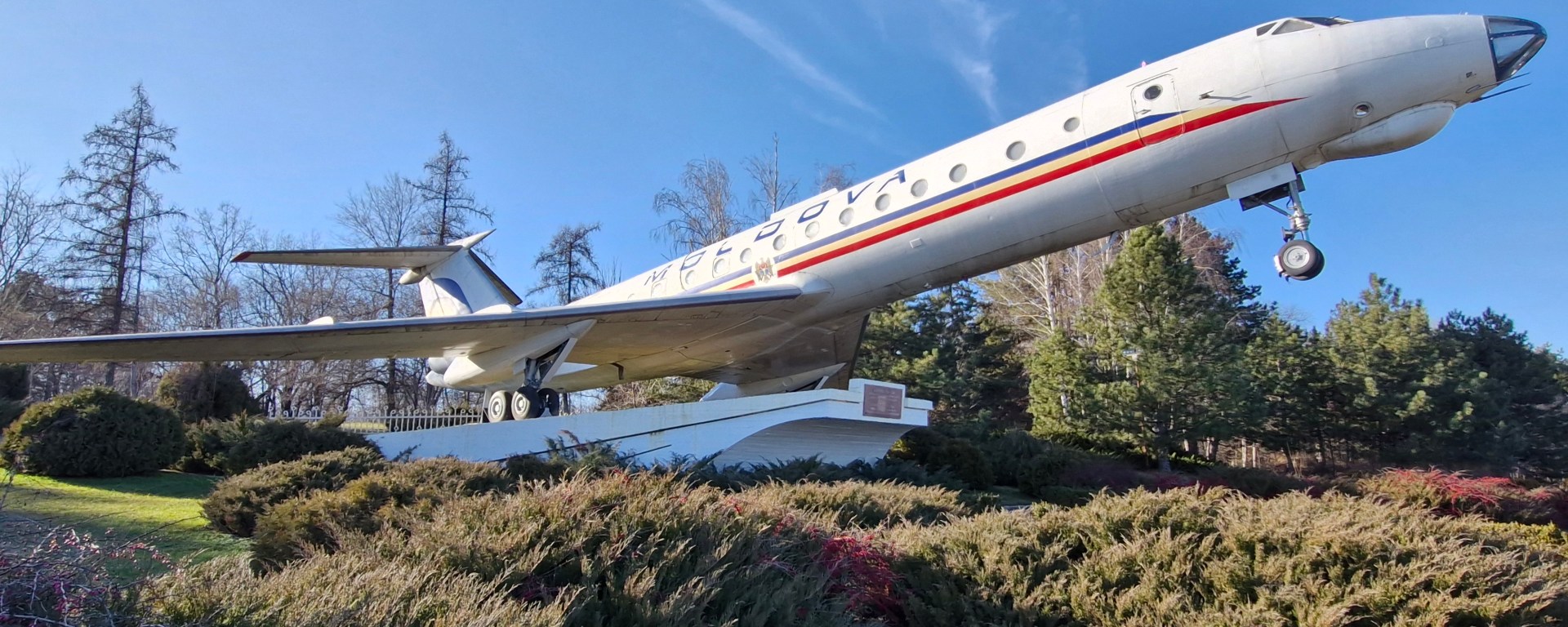
I’m back to Moldova after 5 years
In December 2019, I visited Moldova for the first time. It was a short stop on my way to Minsk, Belarus, so I spent just one night there, about 32 hours in total. Back then, I visited it because of three reasons: 1) It’s a post-Soviet Union republic, and I’ve always dreamed of visiting all the former USSR countries (I still have this dream because one remains: Turkmenistan). 2) It’s the least-visited country in Europe, and I wanted to find out why. 3) The infamous Bald and Bankrupt YouTube video about Moldova intrigued me enough to visit this country.
That visit to Moldova in December 2019 was so short and uneventful that I couldn’t find anything to write about. I tried several times, but there was absolutely nothing to say. I didn’t do much in that visit. I only ate at a restaurant called Jeraffe, where I had one of the best meals of my travels. I still remember how incredible that meal was.
In January 2025, I returned to Chisinau, the capital of Moldova, after five years. I was incredibly excited. I was thrilled about the Soviet sleeper train experience from Bucharest to Chisinau, I looked forward to visiting Transnistria (the country that doesn’t exist), and I was eager to see how Moldova had changed since my last visit. I had a strong feeling that I would be impressed, and I truly was. In this blog, I’ll share some details of my adventure in Europe’s least-visited country, so join me!
The Last Soviet Sleeper Train in Europe
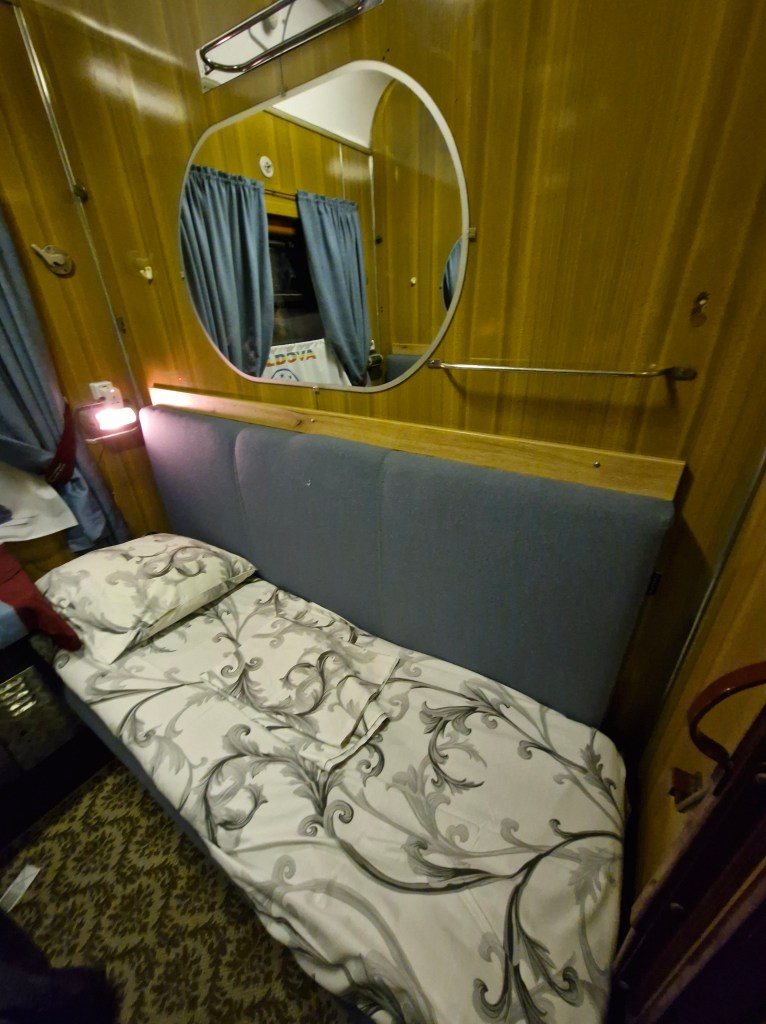
My adventure to visit Moldova began at the platform of Bucharest Train Station, where I was full of joy awaiting the arrival of my train; the last Soviet sleeper train in Europe. As it approached, I was filled with excitement to board and explore my compartment. Walking down the quiet corridor, I finally found my cozy compartment waiting for me and my first impression was “Well, this is more authentic than I expected.”
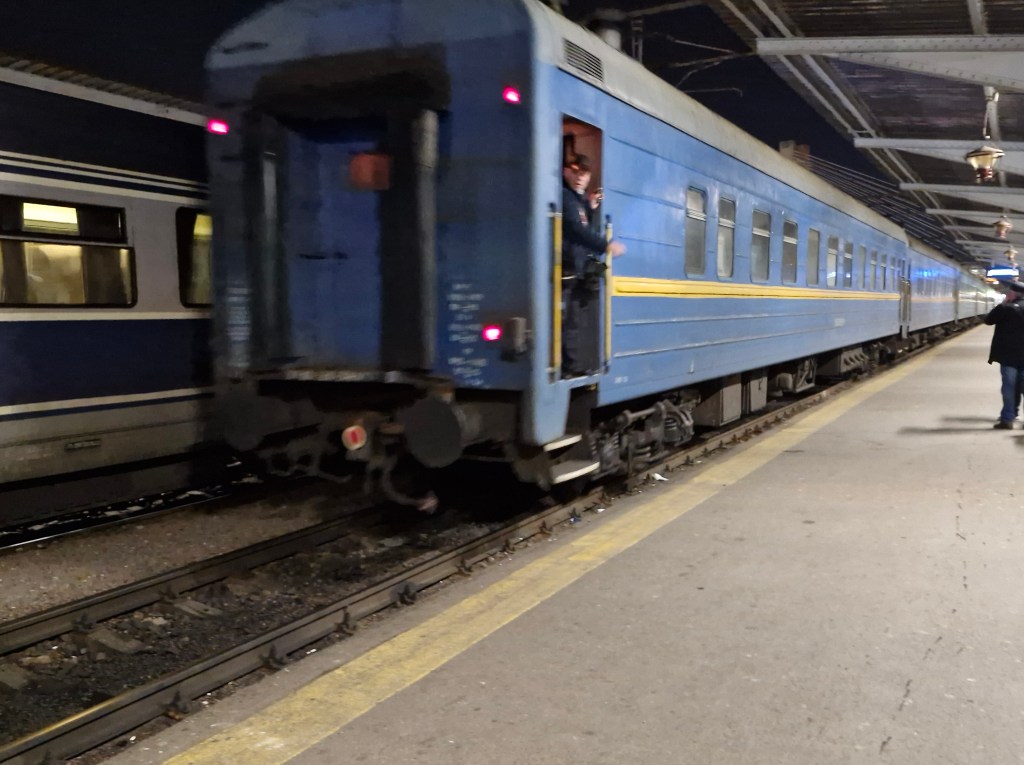

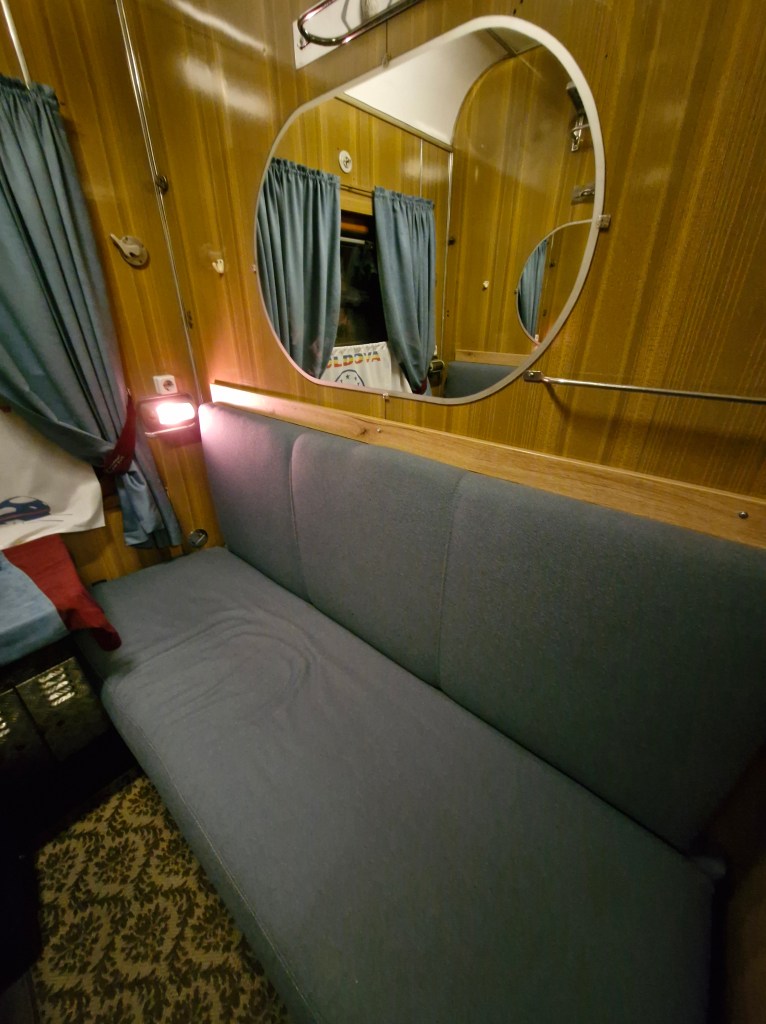
While this train is often called “the last Soviet train in Europe” because it operated during the Soviet era, it was actually built in the early 1980s in former Communist East Germany and it’s been operational since then. The authenticity of the train, with its retro design and worn charm, could feel rough for some travelers, but as a train enthusiast, I was thrilled. Plus, it was quite clean, considering its age.
After settling into my compartment, where I would spend the next 14 hours, the train started moving exactly at 19:10, bound for Chisinau, Moldova. About an hour into the journey, I decided to check out the train’s bistro. I had seen online videos of meals being served there, but to my disappointment, when I went there, all they had were chips, biscuits, other dry snacks, and, of course, beer.
In the bistro, I bumped into two Italian travelers who were doing the same trip as me. They turned out to be followers of my Italian YouTuber friend, Davide Legenda, which made for an instant connection. We had a fun and lively conversation before I returned to my compartment to catch some sleep. As I prepared to sleep, changed into my pajamas, and made my bed, I reminded myself that I would have to wake up in the middle of the night around 3 am for passport control at the border. Miraculously, I still managed to sleep until the train approached the border despite the constant and loud shaking by this train.

At the border, a Romanian officer collected and returned my passport without any questions, and the process repeated on the Moldovan side. But the most fascinating part of the journey happened next. The train entered a special facility where the bogies (the train’s wheels) were switched. Romania uses the European rail gauge, while Moldova (like other former Soviet countries) uses the wider Russian gauge. Historically, the Russian Empire built their railways this way to make it harder for invading armies to move troops into the country by train.
The bogie exchange process took two hours and was incredibly noisy, but I was so tired that I somehow managed to fall asleep again. Despite the train’s constant shaking and occasional loud jolts, I surprisingly got more sleep than I expected. Finally, at 8:44 a.m., right on schedule, the train pulled into Chisinau. As I stepped off the train, I was in disbelief that I had finally managed to tick this checkbox of an essential Soviet travel adventure.
The price of the ticket for a single compartment is 272 Romanian Lei ($57 USD). I bought the ticket from the official Romanian railways website. It was so easy to buy the ticket online.

Arrival to Chisinau, Moldova
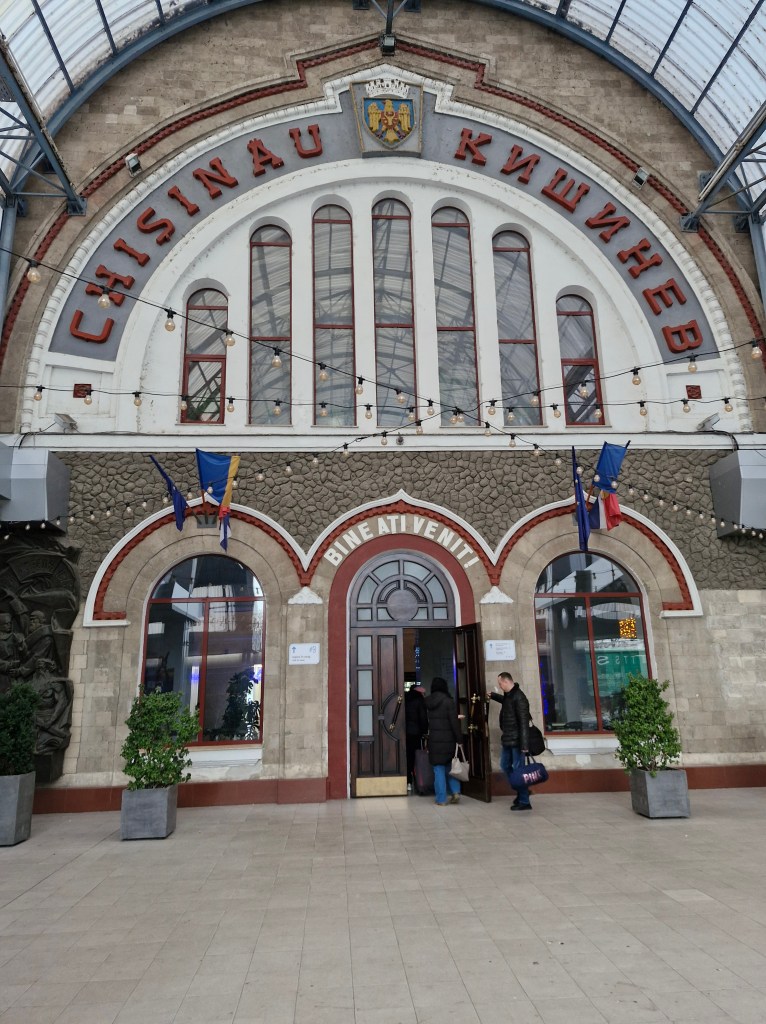
Finally, after about 14 hours of train ride on this retro Soviet train, I arrived in Chisinau. Right after arrival, I spent a few minutes in the train station admiring its coziness and its retro Soviet design. I ordered a taxi to the hotel; I wanted to splurge a bit, so I ordered Comfort+ class, and in a few minutes, a gorgeous-looking black Mercedes E-Class showed up. I couldn’t resist giving the driver a compliment, so with my broken Russian, I told him, “Krasivaya Mashina,” which means “Beautiful car.”
On my way to the hotel, we passed through the center where I saw the huge abandoned Soviet-era hotel, “Hotel National,” still standing in the middle of the city center. However, at least they painted it with the colours of the Moldovan flag, so it’s not gray anymore. It’s a shame that this hotel is still there.
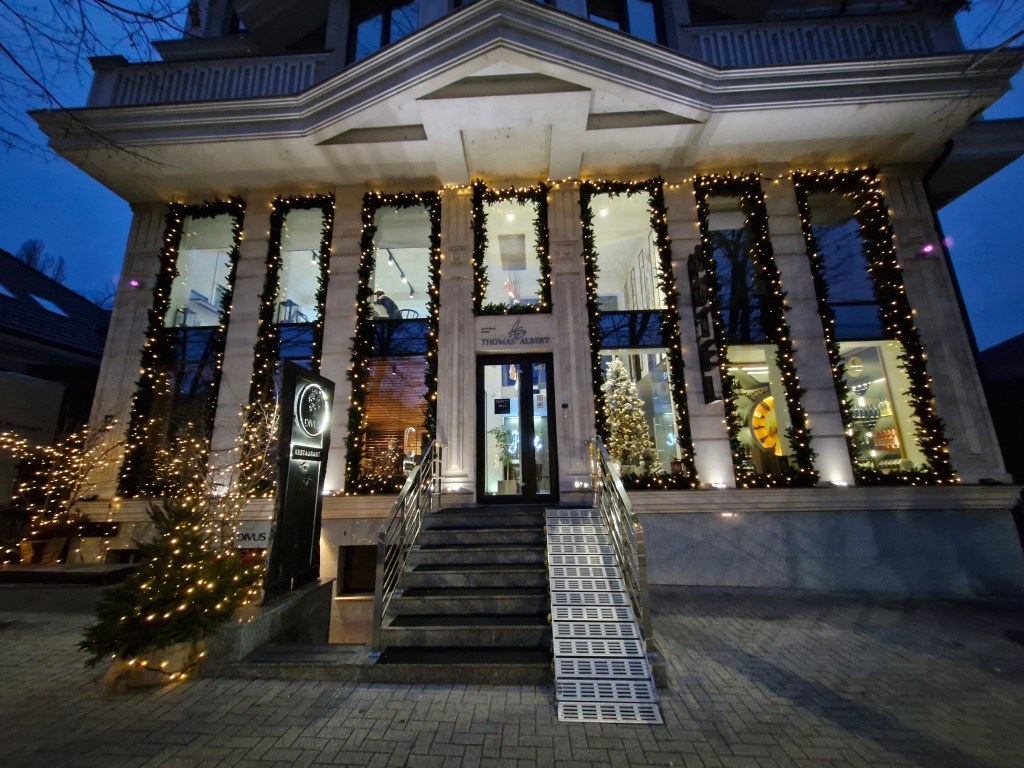
The 12-minute taxi ride cost me less than 5 dollars. I absolutely left the driver a good tip because he certainly deserved more for a ride in such a great car. I arrived at Thomas Albert Hotel in Chisinau, which is, by the way, the same hotel I stayed at over five years ago. It was about 9:30 am when I arrived. At first, they told me that the room wasn’t ready, but when I told the receptionist that I had traveled from Romania by train last night and it was a rough night, and I really needed to sleep, she spoke to her manager, and in a few minutes, she gave me the key to my room. And guess what? I even got upgraded for free! It was an amazingly spacious room. I love Moldovan hospitality!



The Food in Moldova is Something Else
After getting some sleep in the hotel, I woke up to explore the city. Since I was starving, the first thing I wanted to do was head to the center and re-connect with the restaurant Jeraffe, where I had one of the best meals I’ve ever had in my travels. I went there, and when I arrived at about 3:10 pm, they told me they would close at 4 pm. My response was, “Don’t worry, I eat fast.”
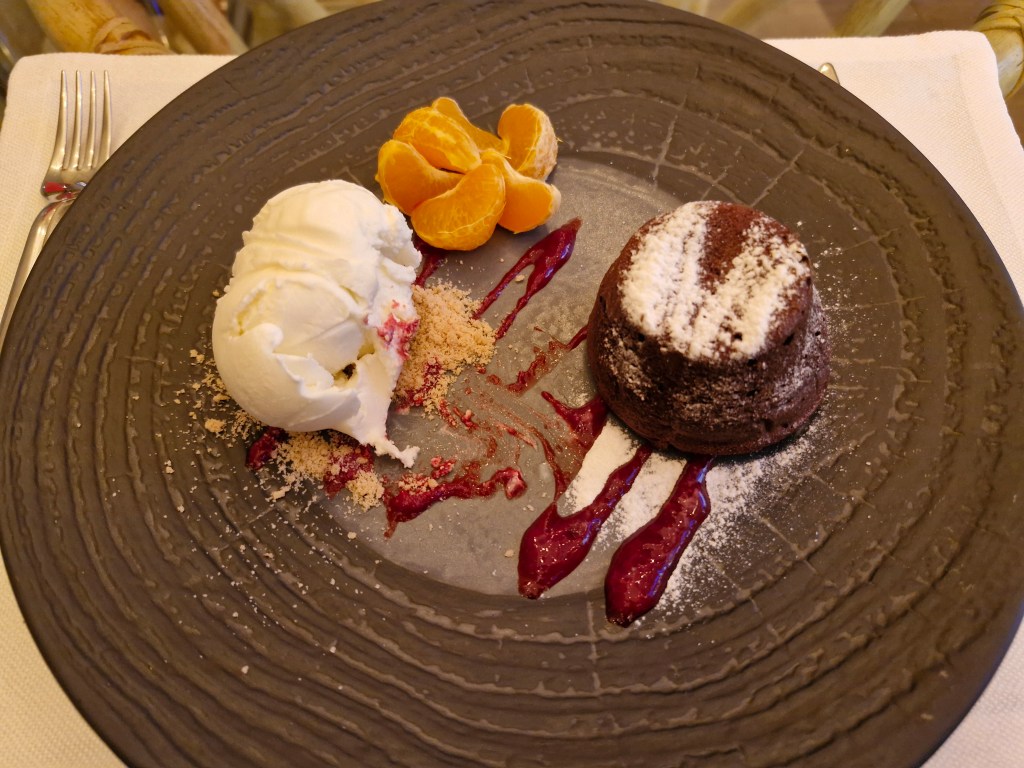
When I sat down, I told the friendly waitress that I had been there five years ago and showed her a photo of the dish I ordered back then—it was a duck breast dish. She said, “We don’t cook the same dish anymore, but we have another new duck dish that we’d like you to try.” So I ordered chicken soup, duck leg as the main dish, and, at the waitress’s suggestion, a dessert. They also served me something as an appetizer; I believe it was a sore of turkey and butter, it tasted great.
The restaurant is still amazing, and the food is still incredibly delicious. I even visited the restaurant again the next day and tried a medium steak with a grilled tempura appetizer. Everything I tried there was amazing. I can’t recommend this restaurant enough. If you’re in Chisinau, the capital of Moldova, you must go to Jeraffe for a memorable lunch or dinner!


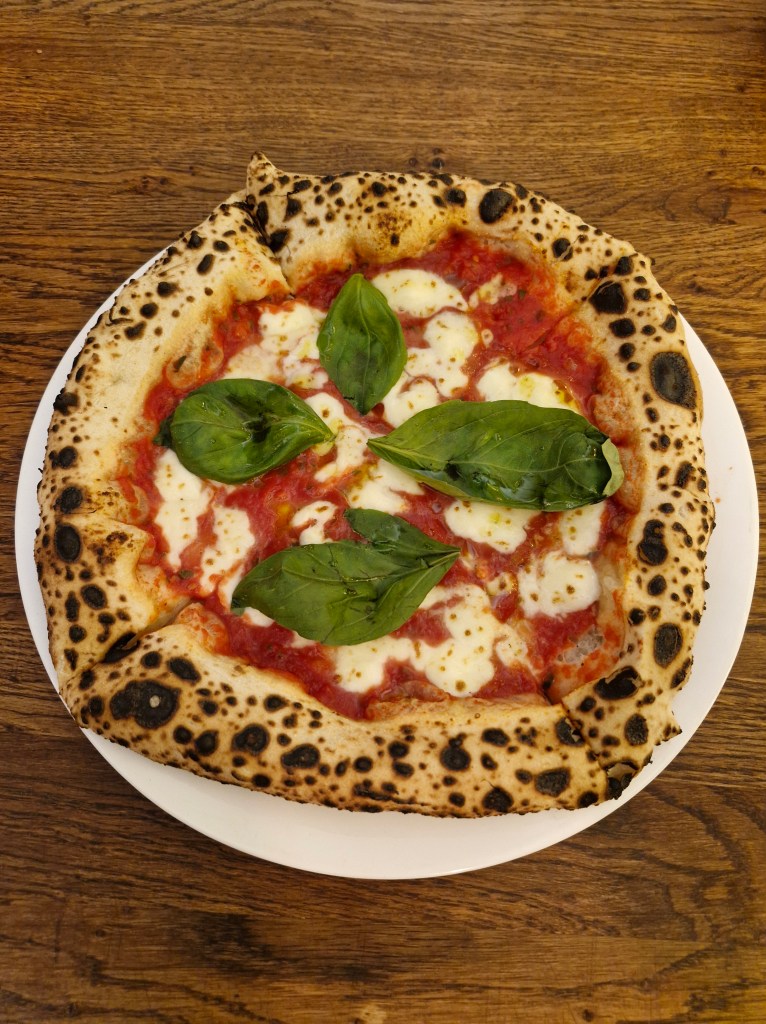
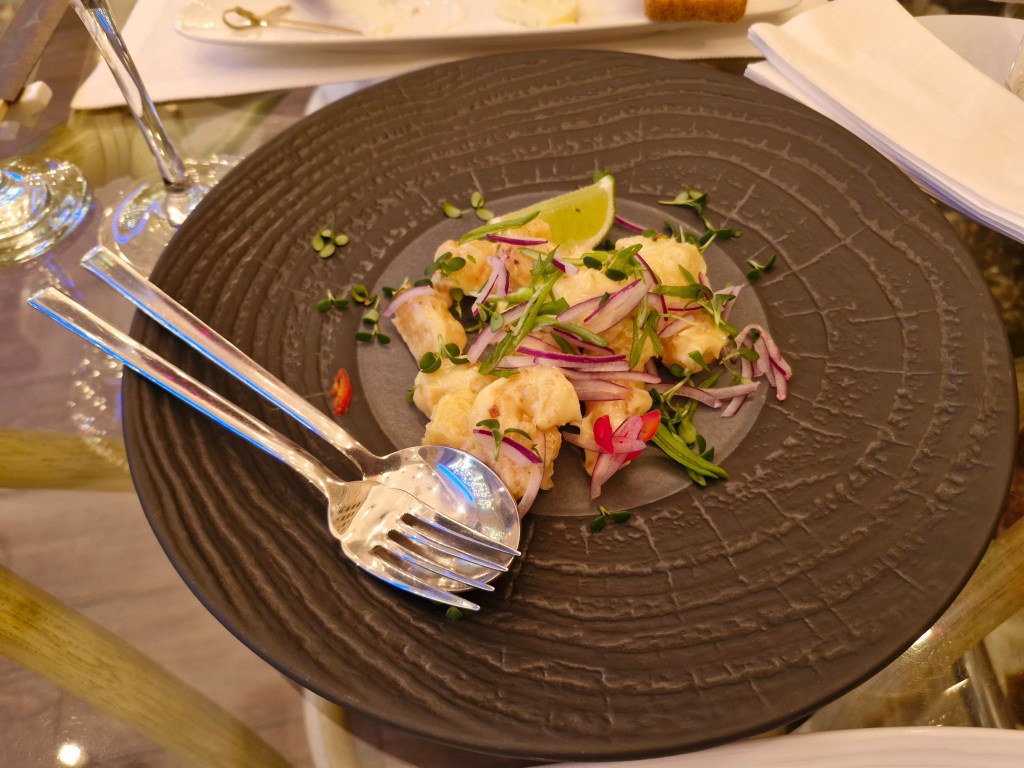

Later in the evening, I headed to a nice restobar where I met a cool group of Moldovans. We had some nice talks about different things before I decided to explore another place. Finally, it was time to eat something, so I went to a very beautiful and cozy pizzeria called “Little Napoli.” There, I had a very tasty Margherita pizza and another engaging chat with the waitress. The atmosphere was warm and welcoming, making it the perfect spot to end the day.
Chisinau Improved But…
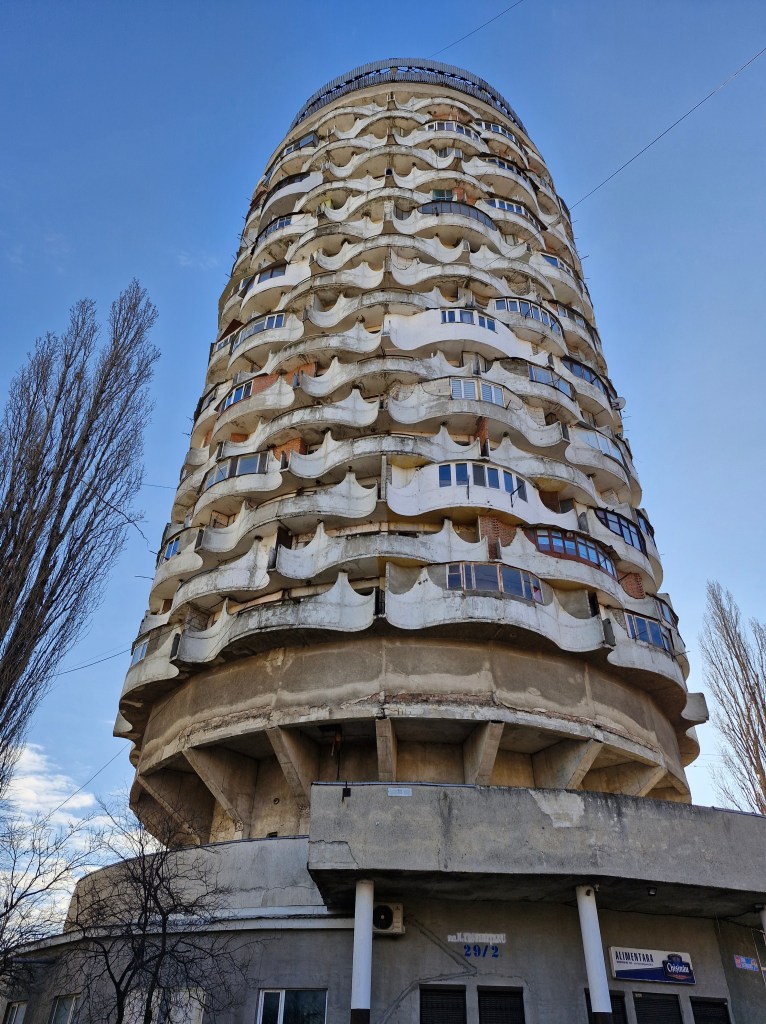
This time around, Chisinau truly impressed me. Unlike my previous visit, the city felt incredibly organized, clean, and well-maintained. The sidewalks were in excellent condition and spotless, making it a pleasure to explore on foot. I felt completely safe and at ease as I wandered through the streets. I especially appreciated how the underground pedestrian tunnels in the city center had all been renovated, probably because of the infamous Bald and Bankrupt video. However, there are parts of the city still in bad shape like the abandoned Hotel National and the fountain right in front of it, it’s still neglected, since the fall of the Soviet Union in 1991.


The next morning, I woke up early, took a taxi to the bus station, and bought a Marshrutka ticket. (For those unfamiliar, Marshrutka is a type of shared minibus transportation very common in former Soviet Union countries.) While unbelievably uncomfortable, it’s always an adventure to take a Marshrutka ride. You’re always bound to encounter interesting people and see funny events there. My destination? It was Transnistria, or as some call it, “the country that doesn’t exist.” I’ll save the details of that unforgettable journey for a separate blog post.
I returned to Chisinau in the early evening, feeling exhausted but I was still excited to hang out again. To end the day on a high note, we headed back to Jeraffe restaurant for yet another incredible dinner. The food, the ambiance, and the people made it a truly memorable experience.
Summary
Moldova is a small, landlocked country in Eastern Europe, nestled between Ukraine and Romania. Once known as the Moldavian Soviet Socialist Republic, it was part of the Soviet Union until gaining independence in 1991. With a population of just 2.5 million people—and steadily declining—it’s one of Europe’s less populous nations. Its capital, Chișinău, is also its largest city, home to an estimated 500,000 residents. Chișinău is a charming, small, and cozy European capital, often regarded as one of the quietest in Europe.
While Moldova’s economy faces challenges; its GDP per capita is among the lowest in Europe. These facts shouldn’t stop you from visiting this country. Moldova is a beautiful, safe, and welcoming destination with hospitable locals and outstanding food. The country is particularly renowned for its exceptional wines, making it a must-visit for wine enthusiasts. If you’re looking to step off the beaten path and explore a place with a touch of mystery and an authentic charm, Moldova is certainly a hidden gem waiting to be discovered.
I was happy to return to Moldova and see the significant progress it has made. Many places have changed for the better since my visit 5 years ago. Looking at the numbers, it’s clear that the Moldovan economy has been growing steadily in recent years, and that’s definitely worth noting. I’m not suggesting the country is becoming a paradise, but it’s certainly on the right path toward improvement, and I hope this momentum continues. I simply had a great time there, especially during my trip to Transnistria, which I’m excited to write about in my next blog.
Moldova left a positive impression on me, and I’m already looking forward to returning, perhaps sooner than I expect! That’s all I can tell about my return to Moldova after 5 years for now. In the next blog, I’ll tell you all about my exciting trip to Transnistria, the country that doesn’t exist. Stay tuned!


 Travel & Share